

New technology, data tools, and building methods are shifting how civil projects are planned and built.
If you work in development, construction management, or infrastructure planning, you already see these shifts happening across projects of every size.
The future of construction is increasingly digital, automated, and data-driven
Research shows that over 70% of construction firms worldwide now use BIM tools in their workflows, demonstrating how digital planning has become standard practice across the industry
For developers, municipal planners, and investors evaluating upcoming projects, understanding these construction industry trends helps you make better decisions when selecting contractors, planning infrastructure, and budgeting for large projects.
Why Understanding Construction Industry Trends Matters to Developers
The global construction sector represents one of the largest industries in the world economy.
Research from McKinsey estimates that construction spending globally reaches roughly $10 trillion annually, making it one of the most economically significant industries worldwide.
Despite its size, construction has historically struggled with efficiency.
Studies show construction productivity improved only around 10% between 2000 and 2022, while manufacturing productivity increased nearly 90% during the same period
Because of these challenges, the industry is adopting new technologies and methods to improve project delivery.
These changes influence:
- Project timelines
- Construction cost management
- Infrastructure planning
- Labor efficiency
- Environmental sustainability
Developers who understand these trends early can reduce risk and make better project decisions.
1. BIM Building Information Modeling Will Become Standard in Civil Planning
One of the most influential construction industry trends is the widespread use of BIM building information modeling.
What Is Building Information Modeling
Building Information Modeling is a digital process that creates a detailed 3-D model of a project before construction begins.
The model includes design, structural systems, utilities, and materials so that engineers and contractors can review potential conflicts before work starts.
Research shows 68% of architecture, engineering, and construction firms used BIM on at least half of their projects in 2023, and adoption continues to increase worldwide.
How BIM Construction Improves Project Planning
BIM helps project teams:
- Identify design conflicts early
- Improve communication between engineers and contractors
- Reduce rework during construction
- Produce more accurate cost estimates
Some studies show BIM can reduce project delays and rework significantly because design problems are discovered earlier in the planning phase.
How Civil Contractors Fit Into BIM Construction
Digital models only succeed when contractors can execute them accurately on the ground.
Civil contractors like Eagle Rock Excavating translate BIM plans into real infrastructure through:
- grading and site preparation
- underground utilities installation
- drainage and stormwater systems
- foundation excavation
Even the most advanced digital designs still rely on skilled civil construction to become functional infrastructure.
2. Digital Twins Will Improve Infrastructure Planning
Another major construction innovation trend is the use of digital twins.
What are Digital Twins
A digital twin is a virtual replica of a real construction project.
Engineers connect the digital model with real-time data from sensors installed on the structure.
Research shows that over 50% of U.S. construction firms have begun implementing digital twin systems to monitor infrastructure performance.
Why Digital Twins Matter in Infrastructure Projects
Digital twins help engineers monitor:
- structural movement
- equipment performance
- environmental conditions
- maintenance requirements
This technology allows infrastructure managers to predict maintenance issues before failures occur.
For large infrastructure such as highways, bridges, and water systems, this predictive approach can significantly reduce repair costs.
3. Modular Construction Will Continue Growing
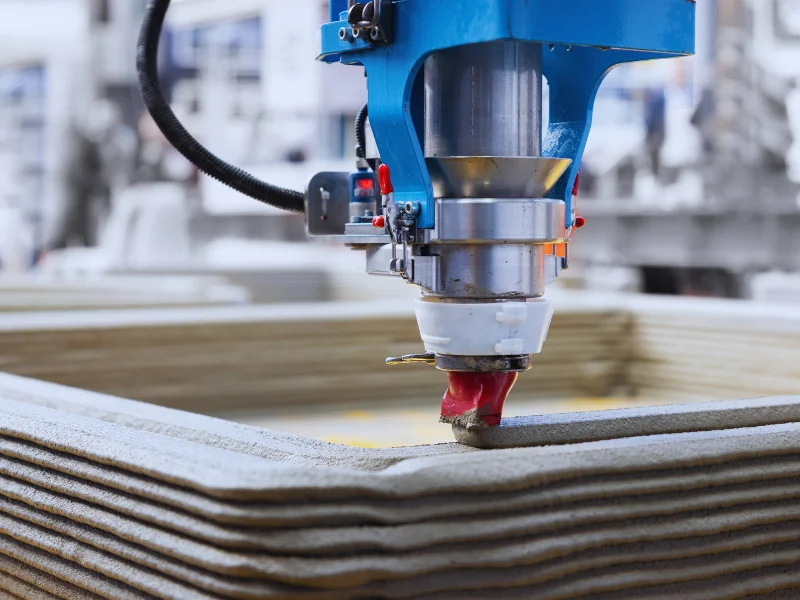 Modular construction is becoming a practical solution to labor shortages and tight project schedules.
What Is Modular Construction
Modular construction means building parts of a structure in a factory and then assembling those sections on-site.
Instead of constructing everything on the job site, contractors deliver prefabricated building components that are installed quickly.
Research from McKinsey shows the modular construction industry now includes more than 700 companies operating globally, with many new companies entering the market in the last two decades.
Why Developers Use Modular Construction
Benefits include:
- faster construction timelines
- improved quality control
- reduced labor demand
- more predictable budgets
Why Civil Site Preparation Still Matters
Even modular buildings require significant groundwork before installation.
Civil contractors prepare the site through:
- grading and excavation
- foundation installation
- underground utilities
- drainage systems
Our team at Eagle Rock Excavating support modular projects through proper site development so modular units can be installed safely and efficiently.
4. Automation in Construction Equipment Will Increase
Automation is slowly transforming heavy construction equipment.
Many modern machines now include GPS guidance, automated grading systems, and remote monitoring technology.
These systems allow operators to:
- maintain precise grading levels
- reduce material waste
- complete earthwork faster
Machine automation also improves safety because operators receive real-time feedback about slope, depth, and alignment.
As automation improves, large civil construction projects will become more precise and efficient.
5. Data-Driven Construction Planning Will Guide Decisions
Data analytics is becoming a key part of the future of construction.
Modern construction companies collect large amounts of project data, including:
- schedule performance
- material costs
- equipment productivity
- workforce efficiency
Many companies now store this information in cloud-based platforms.
With this data, developers can better forecast costs and risks before construction begins.
6. Drones and Aerial Mapping Are Changing Site Surveys
Drones are becoming a common tool for land surveys and site inspections.
Drone technology allows contractors to capture aerial data quickly across large construction sites.
Benefits include:
- faster topographic surveys
- improved mapping accuracy
- easier progress tracking
- safer inspections of difficult terrain
Drone mapping produces detailed site models that integrate easily into BIM construction workflows.
This technology helps engineers and contractors maintain accurate site information throughout the project.
7. Artificial Intelligence Will Improve Construction Planning
Artificial intelligence is gradually becoming part of construction workflows.
AI tools analyze project data and identify patterns that can help construction teams:
- predict scheduling risks
- identify design conflicts
- analyze equipment usage
- estimate costs more accurately
Some AI systems now assist engineers during the design stage by evaluating structural models and identifying possible issues early.
These tools help reduce the number of design changes required during construction.
8. Climate-Resilient Infrastructure Will Become a Priority
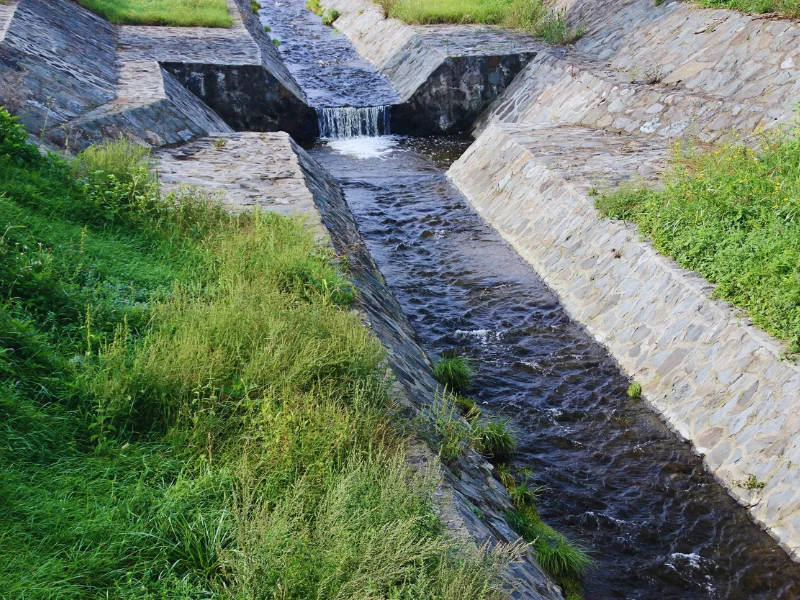 Climate resilience is becoming an important topic in civil engineering.
Many cities are updating infrastructure standards to prepare for:
- extreme rainfall
- flooding
- temperature changes
- stronger storms
Civil projects increasingly include drainage systems, reinforced slopes, and flood protection features.
Contractors involved in infrastructure development must consider how soil conditions, drainage systems, and grading influence climate resilience.
Our crew supports these goals through:
- stormwater drainage installation
- site grading for water management
- erosion control solutions
These elements help protect infrastructure from environmental stress.
9. Augmented Reality and Virtual Reality Will Support Project Reviews
Augmented reality (AR) and virtual reality (VR) are helping teams visualize construction projects before work begins.
AR technology allows engineers to overlay digital models onto real construction sites.
This makes it easier to compare designs with real-world conditions.
Autodesk reports that construction teams increasingly use AR tools to monitor progress and compare as-built conditions with original project designs.
This technology improves communication between designers, contractors, and developers.
10. Skilled Civil Contractors Will Remain Essential
Despite all the digital innovation happening across the industry, physical construction still depends on skilled contractors.
Even the most advanced digital plans require:
- excavation
- grading
- utility installation
- foundation preparation
- infrastructure development
This is where experienced civil contractors play a critical role.
While technologies such as BIM building information modeling guide project design, contractors translate those digital instructions into real infrastructure.
We work closely with engineers and developers during site development so that grading, utilities, and drainage systems match the exact specifications defined during the planning phase.
Without proper site preparation, even the best digital construction plans cannot succeed.
Prepare for the Future of Construction
The future of construction will combine digital planning tools, automation, modular building methods, and data-driven project management.
Technologies such as BIM building information modeling, digital twins, and modular construction are already changing how infrastructure and commercial developments are planned and built. Excavation, grading, drainage, and underground utilities remain the foundation of every successful project.
We at Eagle Rock Excavating help translate digital construction plans into real infrastructure through site development, utility trenching, and proper ground preparation.
If you are planning a commercial development or infrastructure project and want reliable civil site preparation, you can contact us for a quote and discuss how your project can move forward with the right groundwork in place.


