
 Professional excavation services are essential for projects that involve paving, underground utilities, storm drainage, or site preparation.
Proper planning and preparation can save time, prevent costly mistakes, and keep your project on track.
Rushing into excavation without understanding the steps involved can lead to delays and unforeseen problems.
The goal is to create a safe, stable, and well-prepared property for the excavation team to work efficiently.
Preparing for Excavation: A Beginner’s Guide
Assessing Your Project Needs
The first step is understanding the scope of the excavation project.
Excavation can include clearing land, digging trenches, or installing storm drainage systems.
Each type of project requires different equipment and preparation.
Take time to identify the specific needs of your property.
It’s also important to consider factors such as the soil condition, property size, and potential obstacles.
Consulting professionals during this stage helps clarify the requirements and provides a clearer plan for moving forward.
The more detailed your preparation, the smoother the project will be.
Gathering Necessary Documents
Permits and legal documents are often a requirement for excavation services.
Ignoring this step can result in fines, delays, or complications with local authorities.
Having all necessary paperwork in place makes sure the project complies with local laws.
Documents include land surveys, property lines, and municipal permits.
You may need to work with city planners or permit offices to complete this process.
It’s also helpful to verify property boundaries to avoid conflicts with neighbors during the project.
Equipment and Resources for a Successful Excavation
Essential Tools and Machinery for Excavation
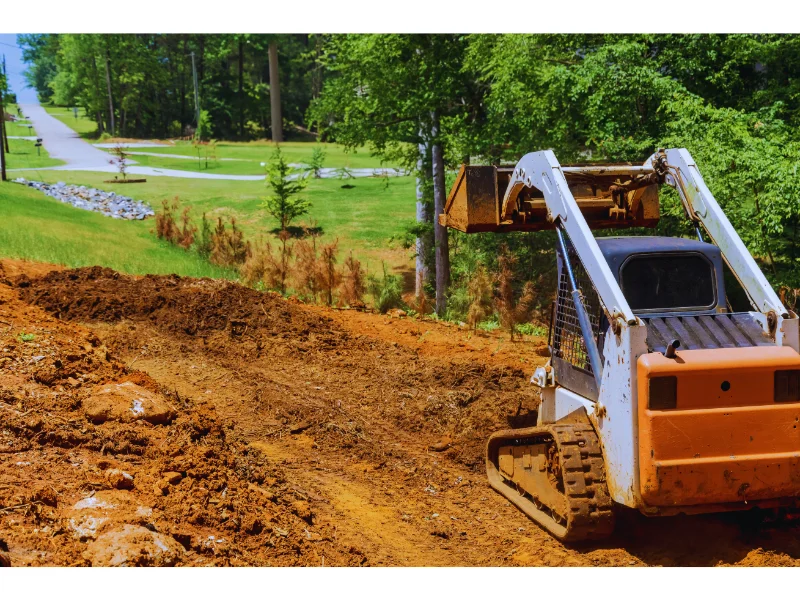 Excavation requires specialized tools and equipment to complete the job efficiently and safely.
Common machinery includes excavators, bulldozers, backhoes, and trenchers.
Each piece of equipment is designed for specific tasks, such as digging, grading, or removing debris.
In addition to machinery, other tools like stakes, flags, and marking spray are used for mapping out the site.
These tools help crews stay organized and avoid accidents during excavation.
Excavation services will typically bring all the necessary equipment to save you the proceeds of renting or purchasing machinery.
Hiring Professionals vs. DIY Excavation
Hiring professionals can significantly reduce the risk of errors during excavation.
Professionals bring expertise and equipment, ensuring the job is done right the first time.
DIY excavation may seem cost-effective but can lead to safety hazards and expensive mistakes.
When working with professional excavation services, you benefit from their experience with site preparation, property grading, and utility marking.
The results are often more precise and durable.
DIY methods are best for minor projects and still require a strong understanding of equipment and safety procedures.
Step-by-Step Guide to Prepare Your Property
Step 1: Site Evaluation and Hazard Assessment
Start with a thorough inspection of the property.
Look for potential hazards such as unstable soil, hidden debris, or uneven ground.
Identifying these issues early helps prevent accidents during the excavation process.
Professional evaluations may include soil testing and environmental assessments.
These steps ensure that the site is ready for excavation and helps identify solutions for any challenges.
A safe and stable site is key to a successful project.
Step 2: Clearing the Site of Debris and Vegetation
Remove any existing vegetation, rocks, or debris from the area to create a clean workspace.
This step not only makes the excavation easier but also prevents damage to machinery.
Use appropriate tools for clearing, such as chainsaws or bulldozers, depending on the scale of the project.
Clearing the site also improves visibility to allow workers to identify hidden obstacles.
Step 3: Marking Utility Lines
Accurately marking utility lines is highly needed to avoid disrupting essential services.
Use flags, stakes, or paint to clearly outline areas with water, gas, or electrical lines.
Contact local utility companies to locate underground systems and confirm their locations.
This step prevents costly damages and ensures worker safety.
Excavation teams often assist in marking utilities, but it’s beneficial to have this information ready before they arrive.
Step 4: Soil Testing and Stabilization Techniques
Soil quality directly impacts the stability of the site, and addressing soil conditions early prevents complications during construction.
Testing the soil for compaction, moisture levels, and load-bearing capacity helps determine its suitability for excavation.
Poor soil conditions may require stabilization techniques, such as adding gravel or using geotextiles.
These measures create a solid foundation for the excavation process.
Soil testing also identifies potential issues, allowing adjustments before work begins.
Step 5: Establishing Access Routes for Equipment
Plan clear access routes for heavy machinery to enter and exit the property without damaging surrounding areas.
These routes should accommodate the size and weight of the equipment to ensure smooth transportation.
Mark pathways with durable materials to guide drivers and protect the landscape.
Having well-defined access routes minimizes disruptions and keeps the project on schedule.
Safety Measures During the Excavation Process
 Implementing Effective Erosion Control Methods
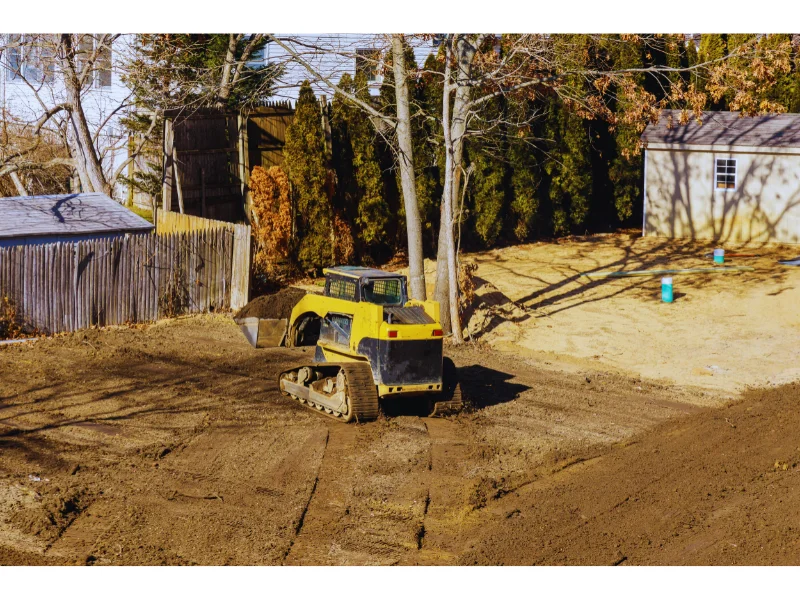
Soil erosion control is vital to maintaining site stability during excavation.
Methods such as silt fencing, sediment basins, and erosion blankets help prevent soil loss.
These measures also reduce the risk of water runoff damaging nearby areas.
Professional excavation services often include erosion control in their process.
Having a plan in place ensures compliance with environmental regulations and protects the site’s integrity.
Ensuring Worker and Bystander Safety
Safety should be a top priority during excavation projects.
Proper signage, barriers, and protective gear are essential for preventing accidents.
Workers should follow safety guidelines and use equipment responsibly.
Limiting access to the site for non-workers also highly reduces risks involved in the excavation process.
A secure and well-organized site keeps everyone safe throughout the excavation process.
What to Expect After Excavation Services are Complete
Post-Excavation Site Assessment
After the excavation is complete, inspect the site for any remaining issues.
This includes checking for debris, verifying utility connections, and assessing the overall condition of the property.
Post-excavation assessments guarantee that the site is ready for the next phase of construction.
Professional teams will often help with this process, addressing any concerns before they leave.
Final Steps: From Grading to Landscaping
Property grading preparation is one of the final steps after excavation.
Grading creates a level surface, improves drainage, and sets the stage for future construction or landscaping.
It’s an important step for maintaining long-term stability.
Once grading is complete, you can start planning landscaping or other finishing touches.
This might include planting grass, installing pathways, or building structures.
A well-graded property provides a strong foundation for these improvements.
Schedule Your Property Evaluation with Eagle Rock Excavation Today
Getting your property ready for excavation is an essential part of a smooth project.
From assessing the site to clearing away obstacles and marking utilities, proper preparation lays the groundwork for a successful build.
Following an excavation services checklist can help you avoid delays and keep everything on track.
Eagle Rock Excavation is here to make the process simple and efficient.
Our team specializes in property grading preparation and professional excavation services that are designed to meet your project requirements.
With our years of expertise, we’ll certify that your site is safe, organized, and ready for the next phase of your project.
Reach out to Eagle Rock Excavation today to schedule your property evaluation.


