
 Challenges are common across many projects, which is why developers, property owners, and project managers pay close attention to construction project planning and contractor selection.
Contractors who understand grading, drainage, underground utilities, and site preparation often identify problems before construction begins.
This early insight helps prevent costly changes later in the process.
Because delays and unexpected costs remain common across the industry, many developers rely on experienced contractors during planning.
Eagle Rock Excavating explains seven ways civil contractors help save time and money, while supporting better construction cost management throughout a project.
Why Construction Project Planning Benefits From Early Contractor Involvement
Many construction problems begin long before heavy equipment arrives on the site.
Design teams may not fully understand soil conditions, underground utilities, or drainage patterns that influence construction work.
This is why early contractor involvement has become an important practice in modern construction planning.
Early collaboration between designers, contractors, and project owners improves project coordination and helps identify construction challenges during planning stages.
Civil contractors often review plans and offer feedback about site conditions that could affect schedules or costs.
Our team at Eagle Rock Excavating frequently participate in these early discussions to review grading plans, drainage layouts, and underground utility locations before construction begins.This collaboration often leads to more realistic budgets and fewer delays once construction starts.
1. Early Contractor Involvement Improves Construction Cost Management
One of the most important advantages of hiring experienced civil contractors early in the planning process is better construction cost management.
Why Construction Costs Increase During Projects
Construction budgets often change when site conditions differ from original expectations.
Soil conditions, drainage challenges, or underground utilities may require adjustments to the construction plan.
The Construction Management Association of America explains that early collaboration between contractors and project planners reduces unexpected costs because construction challenges can be identified before work begins.
How Early Contractor Involvement Reduces Budget Surprises
Contractors who evaluate a project site during planning may identify issues such as:
- unstable soil conditions
- drainage patterns affecting excavation
- underground utilities interfering with foundations
- grading challenges affecting site preparation
We often review grading plans and utility layouts during this phase to identify possible construction complications before development begins.
2. Civil Contractors Improve Construction Project Planning Through Site Evaluation
A construction plan may look perfect on paper, but real-world site conditions often present unexpected challenges.
Why Site Conditions Affect Construction Projects
Every development site has unique characteristics.
Soil stability, groundwater levels, and terrain slope can influence excavation and foundation work.
The Federal Highway Administration explains that soil strength and moisture conditions significantly influence how construction foundations perform over time.
Civil contractors evaluate these conditions during early project planning.
Site Evaluation Activities Civil Contractors Perform
Site evaluations often include:
- reviewing grading plans
- identifying drainage patterns
- evaluating soil conditions
- locating underground utilities
- assessing excavation requirements
We provide site preparation insights during planning so engineers and developers can adjust construction designs if necessary.
3. Experienced Civil Contractors Help Prevent Construction Delays
Construction delays can quickly increase project costs.
When schedules slip, labor costs rise and equipment usage extends beyond planned timelines.
Why Construction Delays Happen
The Associated General Contractors of America reports that project delays are common due to labor shortages, material supply issues, and coordination challenges among contractors.
Civil contractors help reduce these delays through better site preparation and planning.
Ways Civil Contractors Help Prevent Delays
Contractors help maintain schedules through:
- accurate excavation planning
- proper grading before foundation work
- coordination of underground utility installation
- preparation of stable working surfaces for construction crews
Civil contractors who understand these tasks often help keep construction timelines moving forward.
4. Civil Contractors Help General Contractors Coordinate Site Work
Large construction projects often involve multiple contractors working together.
How General Contractors Coordinate Construction Teams
A general contractor usually manages the overall project schedule while specialized contractors handle specific tasks such as excavation, utilities, and paving.
According to the American Institute of Contractors, construction projects typically involve many subcontractors performing specialized work throughout the project schedule.
Civil contractors support general contractors during early construction phases when site preparation begins.
Key Civil Construction Tasks That Support Project Progress
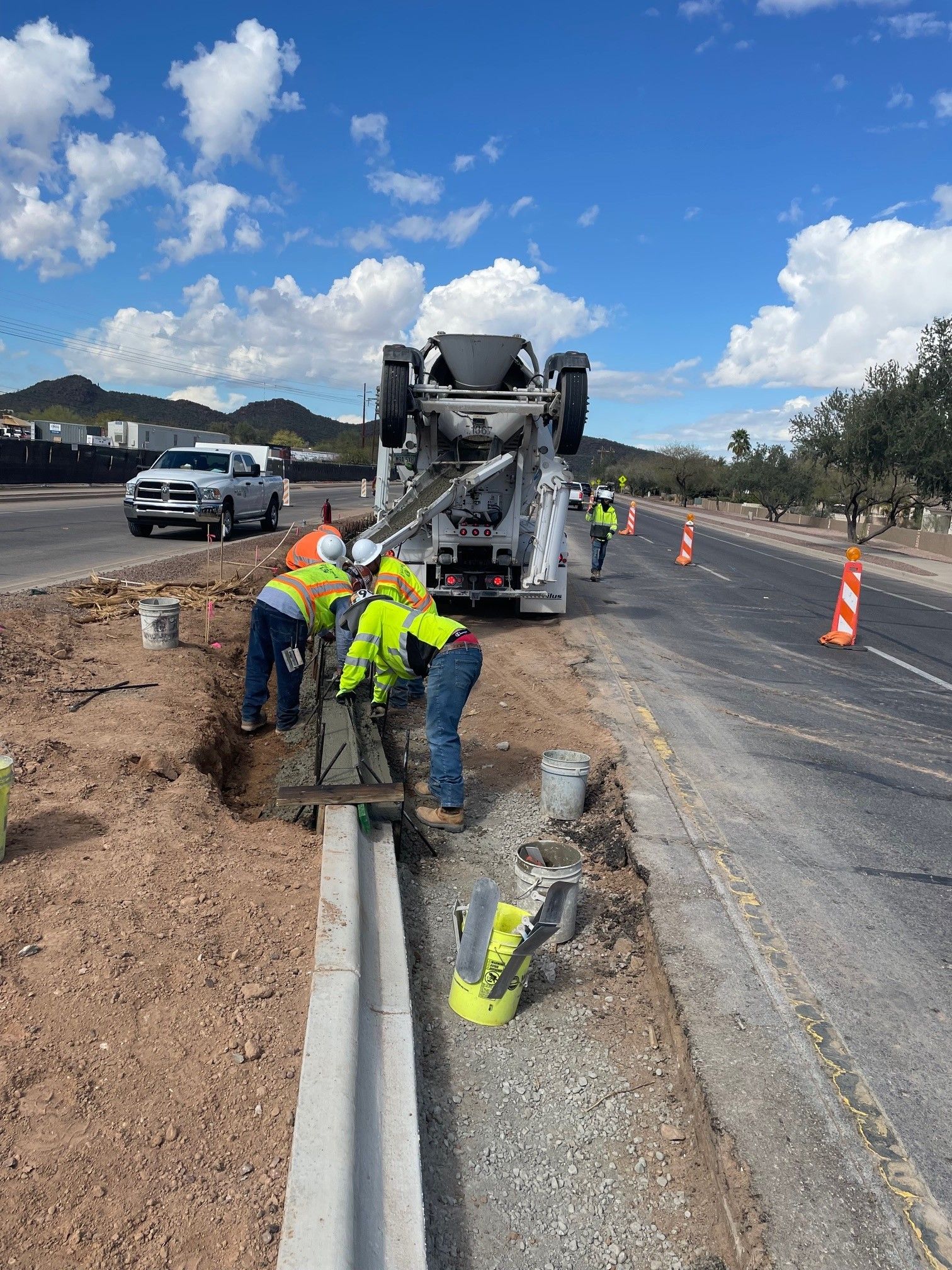 Civil contractors often perform:
- excavation and grading
- underground utility installation
- storm drainage construction
- road access preparation
- foundation excavation
5. Civil Contractors Help Avoid Underground Utility Conflicts
Underground utilities are one of the most common sources of construction delays.
Water lines, sewer pipes, electrical conduits, and communication cables often run beneath development sites.
Why Utility Conflicts Cause Construction Delays
If construction crews encounter unknown underground utilities during excavation, work may stop while engineers revise the construction plan.
The Federal Highway Administration reports that utility conflicts are a frequent cause of delays during transportation and infrastructure construction projects.
How Contractors Help Identify Utility Issues Early
Civil contractors often coordinate with utility companies and engineers to locate underground infrastructure before excavation begins.
Common activities include:
- reviewing utility records
- marking underground lines
- adjusting excavation plans
- planning utility trench installation
These steps reduce unexpected discoveries during construction.
6. Remodeling Contractors and Civil Contractors Work Together on Redevelopment Projects
Redevelopment projects often involve older properties with existing infrastructure that must be repaired or replaced.
Why Redevelopment Sites Present Unique Challenges
Older sites may contain outdated drainage systems, aging utility lines, or damaged pavement structures.
The American Society of Civil Engineers reports that aging infrastructure across the United States continues to require repair and modernization in many communities.
Civil contractors frequently work alongside remodeling contractors during redevelopment projects.
Examples of Civil Work During Redevelopment
Civil contractors may perform:
- removal of old pavement
- drainage system repairs
- underground utility replacement
- grading adjustments for new building layouts
Our team at Eagle Rock Excavating assists development teams during these phases to prepare sites for new construction.
7. Civil Contractors Support Quality Management Plans for Construction Projects
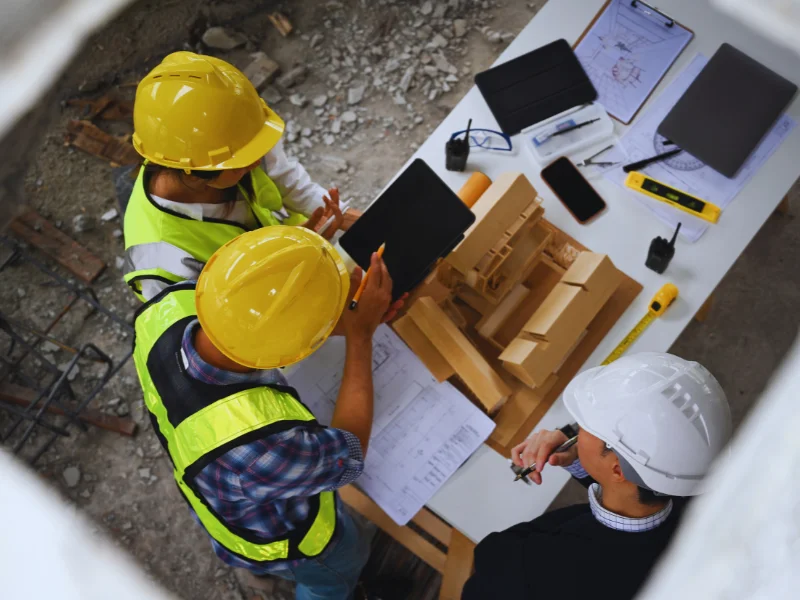 Successful construction projects rely on careful coordination and quality control.
Many large developments use a quality management plan for construction project oversight.
What a Construction Quality Management Plan Includes
Quality management plans outline procedures used to maintain construction standards.
According to the Construction Management Association of America, quality management plans help track project performance, identify construction issues early, and maintain consistency throughout the building process.
How Civil Contractors Contribute to Quality Management
Civil contractors support these plans through:
- accurate grading and excavation
- proper drainage installation
- stable base preparation for foundations and pavement
- coordination with engineering plans
These activities help maintain construction standards and reduce costly corrections later.
Why Commercial Construction Companies Work With Experienced Civil Contractors
Large development projects often involve many specialized contractors.
Many commercial construction companies rely on experienced civil contractors during the early phases of development because site preparation influences every other construction activity.
Proper excavation, grading, and drainage installation provide a stable base for buildings, utilities, and pavement.
Without proper site preparation, construction crews may face delays or structural issues later.
Save Time and Money in Construction Projects
Construction projects involve many moving parts, and even small planning issues can lead to delays and increased costs.
We at Eagle Rock Excavating regularly collaborate with developers, engineers, and contractors during early planning phases.
Our work in site preparation, grading, excavation, and underground utility installation helps support successful construction projects.
If you are planning a development project and want reliable support during the planning and construction phases, get in touch with us and discuss how proper site preparation can support your project timeline and budget.


