
Planning a commercial excavation project is a critical task that needs careful attention to detail.
It’s like assembling a massive puzzle where every piece needs to fit perfectly.
This process involves several steps: planning and obtaining necessary permits, hiring the right team, and ensuring safety.

Why Do You Need to Plan Your Commercial Excavation Project?
Enhances Safety
The foremost reason to thoroughly plan your excavation project is to enhance the safety of everyone involved.
Excavation sites are fraught with potential hazards.
Unsafe excavation practices can lead to accidents, including collapses, falls, and equipment mishaps.
You can identify these hazards beforehand and institute safety measures to prevent them.
This includes assessing soil stability, ensuring proper slope angles, shoring trench walls, using protective systems, and training workers.
Safety planning reduces the risk of injuries and fatalities, making it a non-negotiable aspect of project management.
Prevents Delays
A well-thought-out plan serves as a blueprint for the project.
It includes a timeline that outlines when each excavation phase should start and finish.
This helps coordinate different tasks efficiently and ensures that resources are available when required.
With a plan, you may avoid delays if, for instance, the necessary equipment is unavailable at the needed time or if unforeseen obstacles surface that you are unprepared to handle.
Delays can be costly and can even jeopardize the entire project.
Minimizes Cost Overruns
Budgeting is another critical aspect that requires planning.
Excavation projects can quickly become expensive if not managed properly.
A detailed plan allows you to estimate costs more accurately and allocate budgets for every project phase.
This includes costs for labor, equipment, materials, and contingency funds for unexpected expenses.
Being proactive in budget planning helps prevent cost overruns, which can strain your financial resources and impact the quality of the work.
Ensures Compliance
Most localities have strict regulations governing commercial excavation.
These include environmental protection laws, zoning laws, and safety standards.
In planning, you can research these regulations and ensure your project complies with all requirements.
Failure to comply can result in hefty fines, legal action, or project shutdown.
Moreover, planning your compliance strategy helps maintain your company’s reputation and avoids potential public relations problems.
Protects Surrounding Environment
Excavation activities can significantly impact the environment.
They can lead to soil erosion, contamination of water sources, and destruction of habitats.
During the planning phase, you can assess environmental risks and strategize how to mitigate them.
This may involve proper soil disposal, water management, dust control, and reinstatement of the landscape post-excavation.
Responsible environmental management complies with legal requirements and contributes to sustainable construction practices.

Facilitates Communication
A solid plan is a communication tool among stakeholders, including project managers, clients, contractors, and local authorities.
A clear and detailed plan helps keep everyone aligned on the project goals, timelines, and responsibilities.
Regular updates based on the plan ensure that all stakeholders are informed of the progress, which helps make timely decisions and adjustments as needed.
Allows for Flexibility
While this might seem counterintuitive, thorough planning allows for greater flexibility.
You are better equipped to handle unexpected changes or challenges when you have a comprehensive plan.
This is because you already have a clear understanding of the project’s scope and resources, which allows you to make informed adjustments quickly and efficiently.
Enhances Quality and Efficiency
Planning your excavation project can also enhance the overall quality and efficiency of work.
With detailed procedures and practices laid out, workers have clear guidelines to follow, which minimizes errors and rework.
Additionally, by planning the sequence of work and resource allocation, you can optimize the workflow, reduce downtime, and ensure that the project progresses smoothly.
A Guide to Planning Your Commercial Excavation Project

Here’s a comprehensive guide to help you navigate through the planning phase of your commercial excavation project.
Step 1: Understand Your Project Requirements
First things first, you need to have a clear understanding of your project.
What is the purpose of the excavation?
Is it for a new building, installation of underground utilities, or something else?
Knowing the scope of your project helps in planning the exact requirements, such as the depth of excavation, the type of equipment needed, and the project’s duration.
Step 2: Conduct a Site Inspection
Before you begin any work, inspecting the site is essential.
This involves examining the soil type, checking for underground utilities, and understanding the land’s topography.
Such an inspection will allow you to anticipate potential challenges and plan accordingly.
It’s also good practice to consult a geotechnical engineer to analyze soil conditions during this phase.
Step 3: Obtain Necessary Permits
Excavation projects often require permission from local or state authorities.
The type of permits you’ll need can vary based on your project’s location, size, and nature.
It’s crucial to research and understand the specific requirements for your project.
Submitting all the needed paperwork well in advance will help avoid delays once you’re ready to start.
Step 4: Create a Detailed Plan
Now that you’ve gathered all the necessary information, it’s time to create a detailed plan.
This should include a timeline, budget, the equipment needed, and a workforce plan.
A well-thought-out plan acts as a roadmap for your project, ensuring that every phase progresses smoothly.
Project management software can be highly beneficial in this step, allowing you to monitor progress and adjust as needed.
Step 5: Hire a Professional Excavation Team
The success of your excavation project largely depends on the team you select.
Look for experienced and reputable contractors who have worked on similar projects.
Be sure to check references and past project experiences.
It is also a good idea to discuss your project in detail with potential contractors to ensure they understand your expectations and can meet them.
Step 6: Plan for Safety
Safety should always be a top priority.
Ensure that your excavation team follows all safety guidelines and regulations.
This includes wearing protective equipment, securing excavation sites to prevent collapses, and marking utility lines to avoid accidents.
Regular safety meetings reinforce the importance of adhering to safety practices throughout the project.
Step 7: Schedule Regular Check-ins
Once the excavation work begins, staying involved and monitoring the progress is important.
Scheduling regular check-ins with your team allows you to address any issues promptly and make necessary adjustments to the plan.
This proactive approach helps maintain the project’s timeline and minimize unexpected setbacks.
Step 8: Consider the Environmental Impact
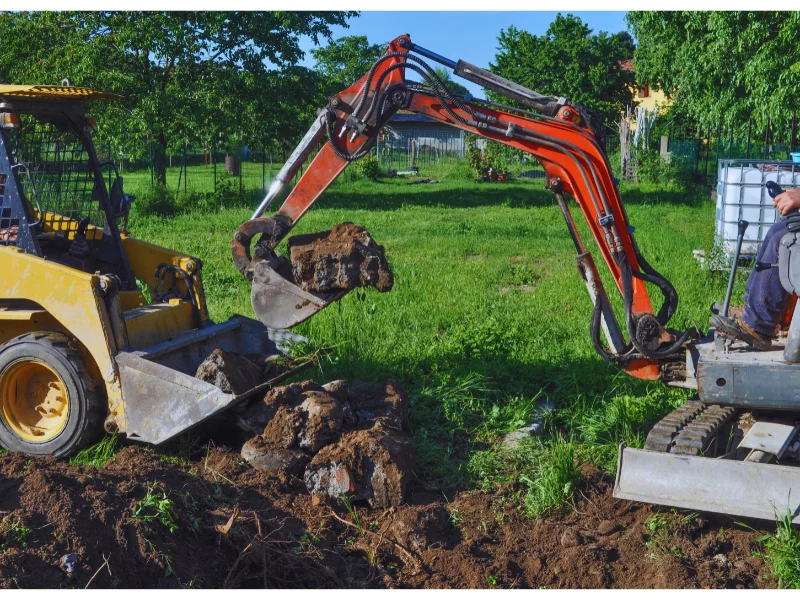
Excavation projects can significantly impact the environment.
It’s important to consider how your project affects the surrounding area and take measures to minimize any negative impacts.
These can include soil erosion control, proper disposal of waste materials, and steps to protect local wildlife.
Working with an environmental consultant can provide valuable insights into approaching these concerns responsibly.
Step 9: Plan for Post-Excavation
Once the excavation is complete, the site must be prepared for the next phase of your project.
This involves backfilling holes, compacting soil, and leveling the site.
Planning for these activities in advance ensures that the transition to the next phase of your project is seamless.
Conclusion
Planning a commercial excavation project is a large feat.
It requires detailed preparation, a keen eye for safety, and a dedicated team of professionals.
This step-by-step guide ensures that your project is well-planned, executed efficiently, and completed successfully.
Meticulous planning and proactive management are the keys to a successful excavation project.
Let Eagle Rock Excavating be your guide from planning to execution.
Our team brings unparalleled expertise and quality service, ensuring your project is handled professionally and professionally.
Don’t leave your excavation needs to chance; explore our wide range of services and products designed to meet your specific needs.
For personalized advice and a free estimate, contact us today.
Let’s make your vision a reality with Eagle Rock Excavating by your side. Visit our website to learn more, and contact us today.


