

Choosing the right material for pavements is more than just about its look.
It examines broader aspects such as long-term maintenance, initial costs, and how they add up over time.
Today, we spotlight the two most popular materials used in road construction and paving projects: asphalt and concrete.
Our goal is to break down the costs, not just the initial but also the long-term ones, to help you make an informed choice.
What Is an Asphalt Pavement?
Asphalt, often known as blacktop, is a flexible material for paving roads, driveways, and parking lots.
It’s made by mixing a sticky, black, and thick liquid form of petroleum, called bitumen, with crushed stone, gravel, and sand.
This mixture gets heated and then poured onto the ground. It’s spread out and compacted to create a smooth, solid surface.
One of the biggest pluses of asphalt is how quickly it can be laid down and ready for use.
Its flexibility makes it ideal for places with frequent temperature swings from hot to cold. However, this material has its downsides.
It can get soft and start to melt in very hot weather, and it needs regular maintenance, like sealing, to keep it in top shape.
What Is a Concrete Pavement?
Concrete, on the other hand, is a hard, strong material that’s often used for sidewalks, highways, and bridges.
It mixes cement (usually Portland cement), water, and aggregates like sand, gravel, or rock.
After these ingredients are mixed, the concrete is poured into the desired area and shaped before it hardens.
Concrete is prized for its durability and long life–a properly cared-for concrete pavement can last decades.
It’s also more resistant to hot temperatures than asphalt.
However, it takes longer to prepare and is more expensive to lay down.
Additionally, concrete can crack with time and is more challenging to repair than asphalt.
Understand the Difference
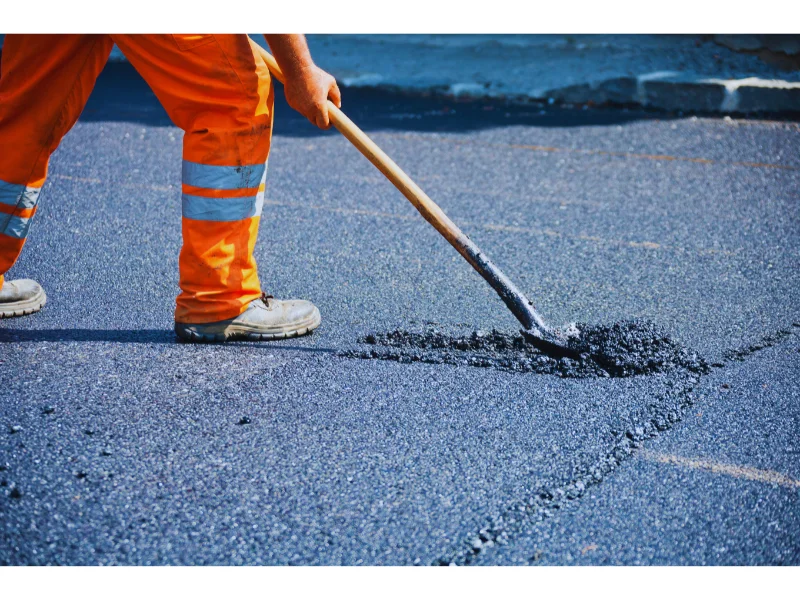
Making both asphalt and concrete pavements involves careful preparation and specific steps.
For asphalt, the mixture of bitumen and aggregates is heated and transported to the site while still hot.
Workers use paving machines to spread the mixture over the prepared base, which is then compacted to make it solid and durable.
Quick cooling is necessary, so asphalt paving is often done in warmer weather to ensure the mixture doesn’t cool too fast.
Initial Cost
When you first consider paving a driveway or a section of road, the upfront cost plays a significant role in decision-making.
Asphalt is known to have a lower initial cost compared to concrete.
The materials and process needed to lay down asphalt are generally less expensive.
This makes it a go-to choice for those working with a tighter budget or prefer a quicker, less costly installation.
On the other hand, although concrete is more expensive to install, it comes with perks that might justify its higher price tag.
Its longevity and reduced maintenance needs can make it a long-term investment, making it worth considering if you can afford the initial financial commitment.
Long-term Maintenance and Durability
While asphalt might win in the initial cost battle, concrete shines in the long-term maintenance and durability arena.
Concrete surfaces can last up to 30 years or more with minimal upkeep, whereas asphalt may need resurfacing or repairs every few years.
The longevity of concrete means you may save more money over time, even though the initial installation costs more.
Asphalt does require regular maintenance to maximize its lifespan, such as seal coating and patching holes or cracks.
These maintenance actions increase over the years, potentially closing the cost gap between the two materials.
However, asphalt may be the preferred choice for those in colder climates.
Its flexibility makes it less susceptible to cracking from freeze-thaw cycles.
Performance and Usability
Performance and usability also play vital roles in the cost analysis.
Concrete reflects light better, reducing the need for lighting at night, which could lead to energy savings.
It’s also more resistant to heat and UV rays, keeping the surface cooler.
Asphalt, however, can be used soon after it’s laid down, which is a considerable advantage in projects needing quick completion.
It also tends to provide better traction in wet conditions, making it a safety feature that’s hard to overlook.
Environmental Impact and Sustainability
The environmental aspect also influences the overall cost in the broader sense.
Asphalt is celebrated for being 100% recyclable, and the process of recycling it uses less energy than that of concrete.
However, concrete, with its longer lifespan and ability to reflect more light, can also offer energy savings in other ways, such as reducing the need for street lighting and cooling costs in adjacent buildings.
The Actual Numbers and Variables
To put everything into perspective with numbers, installing an asphalt driveway might cost between $2 and $5 per square foot, while concrete could cost, on average, $4 to $6 per square foot.
But remember, these are average figures, and the actual costs can vary wildly depending on location, the scale of the project, and any additional decorative features or finishes you might want.
Variables like the price of crude oil can make asphalt more expensive, as oil is a primary ingredient in its production.
The cost of concrete might rise depending on aggregate prices in your region.
Besides initial installation and raw material costs, consulting with local professionals to estimate maintenance expenses over time based on climate and use is also important.
Making the Right Choice

Determining whether asphalt or concrete is more cost-effective depends on your specific situation.
Asphalt may be the way to go if you’re looking for a quick, less expensive initial investment and are okay with the required upkeep.
But, if you’re in it for the long haul and prefer a solution with less frequent maintenance, investing in concrete could be more economical over time.
It also helps to think about the aesthetic and functional aspects you prefer, the climate in your area, and how long you plan on using the pavement.
Weighing these factors against the cost will guide you to a decision that meets your needs and budget.
Final Thoughts
Choosing between asphalt and concrete pavements involves weighing initial costs against long-term value and considering the specific demands of your climate.
Asphalt may be the right choice if you’re looking for an economical option with a quicker installation time and are prepared for ongoing maintenance.
Conversely, if you prefer a more durable, low-maintenance surface and are willing to pay a bit more upfront, concrete could be the way to go.
Each material has its place in construction, and understanding their differences is key to making a choice you’ll be satisfied with for years to come.
The best decision considers financial and practical considerations, ensuring your pavement investment is sound, durable, and functional for your needs.
At Eagle Rock Excavating, we understand the importance of making well-informed decisions that align with your needs and financial constraints.
With our extensive range of high-quality paving, excavating, and seal coating services, we’re here to ensure that your project meets and exceeds expectations.
Don’t let the decision-making process overwhelm you; let our team of experienced professionals guide you.
Check out our services, and contact us today to learn how our tailored solutions can make your project a resounding success.


