
Thinking about adding vehicle charging stations to your property?
Arizona’s electric vehicle growth is accelerating fast, with more than 128,000 EVs registered statewide in FY25, according to the Arizona Department of Transportation.
As demand keeps growing, property owners, developers, and managers all share one big question;
How can you build an electric vehicle charging infrastructure that’s practical, compliant, and ready for the future?
Eagle Rock Excavating takes care of the site prep that keeps projects on track, along with Spartan Concepts for the high-voltage work and electric charging station installation.
Why Planning Electric Vehicle Charging Is Important for Your Property
You want EV capacity that works for tenants, visitors, or fleets.
Electric vehicle charging is shifting from a niche amenity to a basic site requirement for many commercial properties.
In Arizona the number of registered electric vehicles has risen quickly; that affects demand for public and workplace chargers and changes how utilities and sites need to be prepared.
Good planning lowers surprises during construction, reduces costly rework, and makes bids easier to compare.
This article gives clear, practical steps you can use when budgeting and specifying work for vehicle charging stations and electric vehicle charging infrastructure.
Site Prep for Vehicle Charging Stations: What You Need to Plan
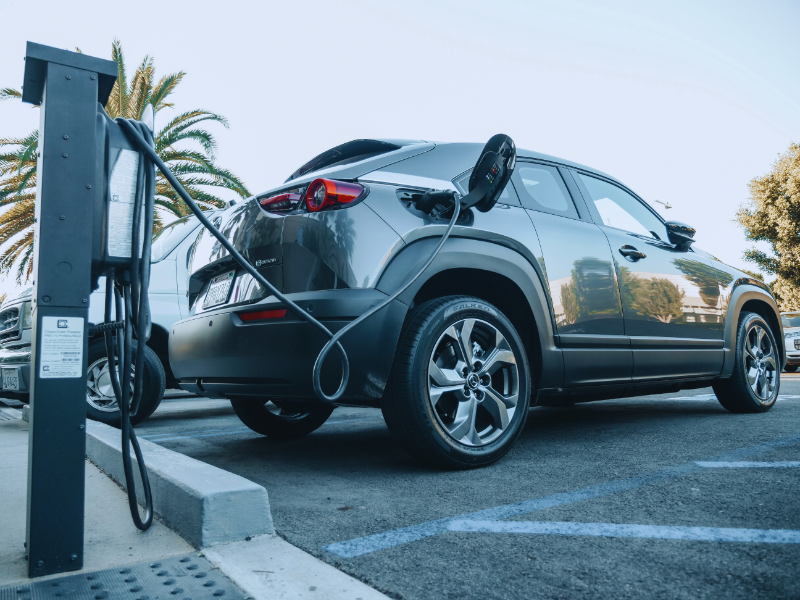 Site Survey and Existing Conditions
Start with a full site survey.
You’ll want a plan that shows existing utilities, drainage flows, and finished grades.
Look for underground conflicts and identify preferred charger locations that meet ADA clearances and parking circulation needs.
Our team can perform site assessments, grade the site, and prepare concrete pads and approach areas so the electrical work can proceed with fewer delays.
Parking Layout and Zone Selection
Choose locations that limit cable crossings and minimize vehicle maneuvers.
Prioritize stalls close to electrical rooms or transformers to reduce trench length.
Make sure charger locations do not create back-ups in drive aisles during peak hours.
If you’re serving fleets, plan for larger stalls and straight pull-through access.
Accessibility, Lighting, and Pedestrian Routes
Plan accessible paths from chargers to building entrances and sidewalks.
Lighting and signage improve safety and make the chargers easy to find after dark.
Trenching and Conduit for Electric Charging Stations
Conduit Routing for Electric Charging Stations
Trenches should be routed to avoid existing utility lines and to provide a clear pathway to the service point.
Mark all known utilities early and use utility-locate services.
Where multiple runs are needed, keep conduits parallel and leave room for future pulls.
Use tracer tape and clear surface markers so future excavations don’t hit buried conduit.
Future-Proofing EV Charging Station Design
Add spare empty conduits and larger raceways than you need on day one.
It costs relatively little during trenching but can save large sums when adding chargers later.
Consider a dedicated raceway for future high-power chargers or for network wiring that will carry communications and metering.
Conduit Materials and Access for Charging Equipment
Choose conduit materials and pull boxes that support cable pulling and long runs.
Provide pull boxes or vaults at changes in direction and before long straight runs.
That makes installation simpler and reduces the risk of damaging cables during pulls.
Leave conduit ends accessible and clearly labeled.
Conduit fill, depth, and separation rules are an electrical code matter; have a licensed electrical engineer or the installer verify conduit sizes and minimum cover to meet NEC and local code.
Concrete Pads for EV Charging Stations
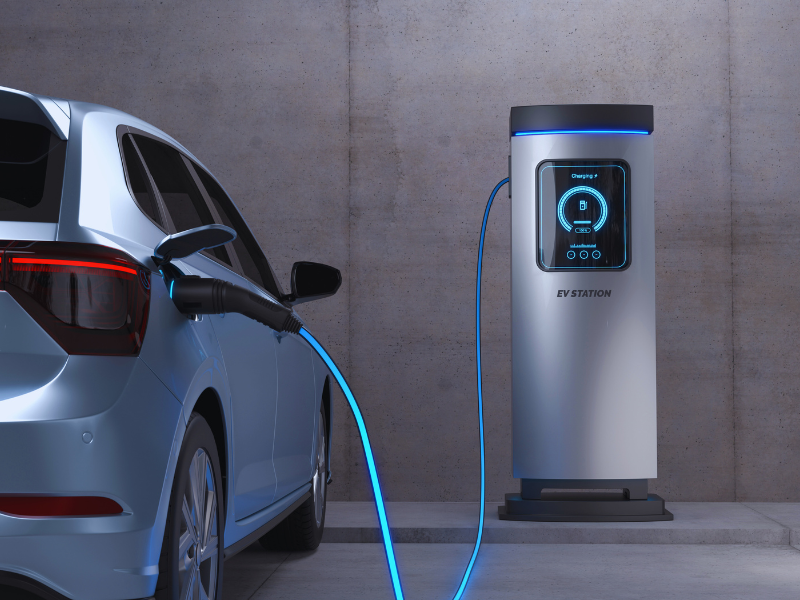
Pad Specs and Wheel Stops for Charging Stations
Charger pedestals and pedestal-mounted equipment need a stable, level concrete base.
Make sure the pad extends beyond the charger base to allow maintenance access and to protect eyes or junction boxes from vehicle contact.
Include wheel stops and bollards where vehicles might strike the charger.
Drainage and Surface Design for Charging Stations
Design the pad and approach so water runs away from the charger and does not pool at electrical cabinets.
A slight slope to an approved drain or away from equipment prevents standing water.
Surface finishes should lend traction and match the rest of the lot so vehicles enter and exit safely.
ADA Access and Markings for Charging Stations
Accessible stalls for electric charging follow the same rules as accessible parking but also need clear passing zones for cable reach and mobility device access.
Provide a smooth, ramped route from the stall to the accessible path.
Stripe and sign the stalls per local code so users understand access and time limits.
Permits for Electric Vehicle Charging Projects
What Permits and Approvals You Should Expect
Permits will commonly include electrical permits, building or site permits for concrete or curb work, and utility permits for trenching in public rights of way.
Some municipalities require separate permits or inspections for buried conduit.
Start permit conversations early so bids capture required fees and testing.
Future-Proofing Parking Lots for EV Chargers
Planning Capacity for Vehicle Charging Stations
Lay out spare conduit paths, extra concrete pads reserved for future chargers, and open slots in the parking pattern so you can add chargers without redoing pavement.
If a site will likely add chargers over several years, separate the work into phases but keep a unified civil plan.
Load Management for EV Charging Infrastructure
Consider options for demand management, timed charging, and submetering.
These choices affect how Spartan Concepts configures panels and meter locations and how Eagle Rock prepares the site for later cable pulls.
Network Conduit for EV Charging Stations
Pull conduits for communications wiring during initial trenching.
Chargers often use network or cellular links for payment and software updates.
Having a dedicated communication conduit shortens future installs and improves reliability.
Adding Backup Power or Solar for EV Charging
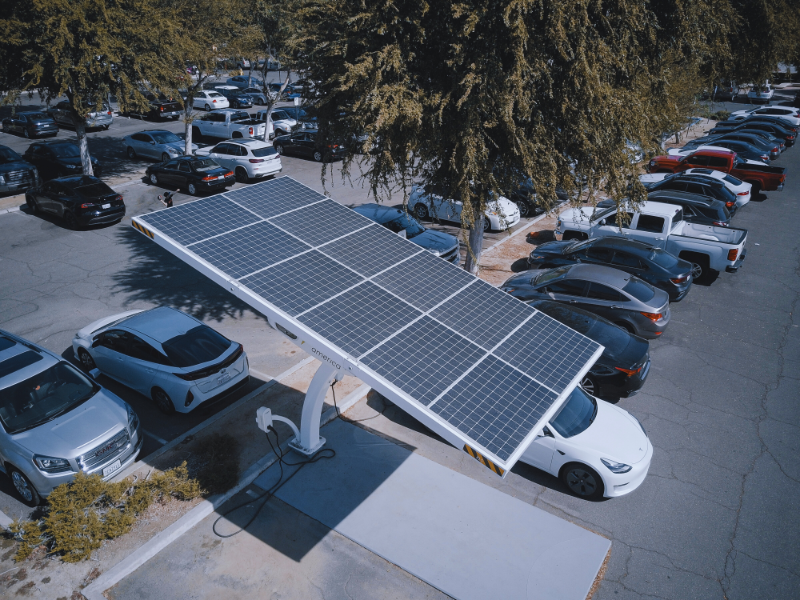
Backup Power for Electric Vehicle Charging
Backup generators and battery systems reduce downtime and can lower peak demand for high-use lots or fleet charging sites.
If you need chargers to be available for emergency fleet use or tenant services during outages, adding backup power improves reliability.
Solar and Battery Integration
Solar paired with battery storage can shift energy use away from high-cost periods and reduce demand charges.
Our partner, Spartan Concepts, offers generator hookup and battery integration options.
Discuss financial incentives and interconnection rules with your utility early; they affect the size and cost of solar and storage systems.
Avoiding Common EV Charging Project Mistakes
- Late Utility Coordination – Delays occur when the utility study is done only after the civil work is complete; start this early.
- Insufficient Conduit Capacity – Not adding spare conduit forces expensive new trenching later. Add empty conduits during initial work.
- Poor Placement for Pedestrian Access – Chargers in narrow aisles block pathways; plan ADA paths and access.
- Lack of Clear Handoffs – Don’t leave conduit ends undocumented; a short as-built plan with depths and pull-box locations saves time.
Eagle Rock and Spartan Concepts: Building EV-Ready Sites
Our company, Eagle Rock Excavating, handles site grading, trenching, concrete pads, ADA access paths, and final paving restoration.
Spartan Concepts focuses on high-voltage services: charger wiring, panel and meter work, generator and battery hookups, and commissioning.
Together we offer a coordinated option so you can present a single site plan and get realistic proposals that separate civil and electrical costs.
If you want a coordinated review, you can work with us to discuss site conditions and general project requirements so you can plan the next steps more effectively.
Be EV-Ready with Eagle Rock and Spartan
Electric vehicle charging is a site-driven project: the civil work you do up front affects costs, timing, and service reliability.
Arizona’s electric vehicle counts and the growth in charging infrastructure mean demand on site owners is rising.
Planning for trenching, conduit, and service coordination today helps you add chargers later with less disruption.
If you want a coordinated site-prep and high-voltage estimate, Eagle Rock Excavating and Spartan Concepts can walk your site for review.
Call 520-514-2779 or request a site visit.


