
 Construction in Arizona brings unique ground challenges that can add time and cost if not handled correctly.
Calcic soils, often referred to as caliche, are widespread in Arizona and can form hard layers that make excavation difficult.
These layers can require specialized tools and methods to remove when preparing sites for construction.
In Phoenix and Tucson, crews often deal with hardpan soils mixed with boulders that are difficult to cut through with standard machinery.
Eagle Rock Excavating has decades of experience with rock and soil conditions across Arizona.
We have handled excavation and grading for sites that included caliche layers, fractured bedrock, and mixed soils that needed conditioning.
What “Rocky Terrain” Means For Your Project
Common Rock And Soil Conditions In Arizona
Arizona projects encounter several difficult ground types:
- Caliche – A cemented layer of calcium carbonate common in Phoenix and Tucson. It can be almost as hard as weak concrete.
- Bedrock – Shallow layers of granite, basalt, or other hard rock may require mechanical breaking.
- Expansive Clays – Soils that shrink and swell with moisture; often require removal and replacement.
- Mixed Boulder Fields – Rounded cobbles or boulders left from ancient riverbeds can delay trenching and foundation work.
These conditions change how excavation is planned.
A geotechnical report usually identifies depth to rock, soil classification, and whether special equipment will be needed.
Why Rock Affects Construction Schedules
Breaking rock is slower than moving ordinary soils.
A trench in sandy soil may take hours, while a trench through caliche or granite can take days.
Weather also plays a role, as during Arizona’s monsoon season, saturated soils become unstable, making compaction harder after excavation.
Methods For Handling Rock And Hard Soils
 When contractors face rocky conditions, they select from several methods depending on hardness, depth, and site limits.
When Mechanical Breaking Is Used
Hydraulic hammers, also called rock breakers, are mounted on excavators to chip through rock.
These are common for caliche layers and moderately hard rock.
Rock saws with diamond-tipped blades may also be used where clean trench walls are required, such as utility corridors in dense developments.
When Over-Excavation And Structural Backfill Is Required
If the soil or rock does not provide reliable support, contractors may over-excavate, and then replace it with compacted structural backfill.
This stabilizes the foundation zone and creates uniform support. Structural fill is usually imported aggregate that compacts consistently.
Rock Hauling And Disposal
Removed rock must be hauled off-site or processed for reuse.
Disposal costs add up quickly since rock is heavier than ordinary soil.
Haul distance, landfill tipping fees, and whether material can be crushed for reuse all affect the final cost.
Equipment You’ll See On Site (Excavators, Breakers, Rollers, Dump Trucks)
Heavy equipment machinery is the backbone of rocky terrain excavation. Typical machines include:
- Excavators with hydraulic breakers for rock cutting and trenching.
- Bulldozers for pushing large volumes of soil or fragmented rock.
- Wheel loaders and dump trucks for loading and hauling spoil.
- Compactors and rollers for preparing subgrades after over-excavation.
Modern heavy duty equipment has GPS grade control, reducing over-cutting and keeping excavation precise.
Contractors stage equipment on site based on expected soil hardness and production rates.
Cost Factors And Budgeting Guidance
Foundation Excavation Cost Drivers
Foundation excavation cost is shaped by several key factors:
- Rock Hardness – Harder rock requires more hours of hammering or cutting.
- Depth Of Excavation – Deeper cuts mean more material to move and dispose of.
- Haul And Disposal – Longer haul routes or limited dump sites raise cost.
- Backfill Requirements – Over-excavation followed by structural fill adds trucking and compaction work.
- Water Management – Pumping groundwater or working around stormwater can add expense.
Typical Budget Impacts
Public construction cost data shows that removing rock can cost several times more than digging in regular soil.
Depending on the hardness of the rock and how far material must be hauled, costs may range from about two to four times higher.
In Phoenix, contractors often add allowances in bids when caliche or shallow bedrock is reported in soils tests.
Owners should review these allowances carefully and compare how different bidders treat rock.
How Eagle Rock Executes Rocky Terrain Excavations
 We bring experienced operators and reliable heavy equipment machinery to rocky jobs across Phoenix and Tucson. Our services cover:
- Hard-rock excavation with hydraulic breakers where mechanical removal is appropriate.
- Haul and disposal coordination so removed rock is moved efficiently.
- Subgrade preparation and compaction testing for building pads, parking lots, and roadways.
- Concrete and paving integration so sites transition smoothly into the next construction phase.
We also handle all permitting and inspections within our scope.
If a project requires special permits, such as blasting, those are disclosed and coordinated through the appropriate permitting agencies.
What We Provide On Rocky Sites
- Staging of heavy duty equipment.
- Excavation and mechanical rock breaking.
- Haul coordination and disposal of rock and soil.
- Compaction testing and subgrade preparation.
- Concrete tie-ins and paving transitions.
- Final site restoration to construction-ready condition.
This integrated approach reduces delays between excavation and follow-on work, giving owners one point of accountability for site preparation.
Owner Checklist: Questions To Ask During Bidding
When reviewing bids for excavating and landscaping work in rocky terrain, you should ask:
- Does the bid include allowances for rock removal if encountered?
- What type of heavy equipment or machinery will be used on site?
- How are haul and disposal costs calculated?
- Will compaction testing and backfill be part of the scope?
- How is weather risk (monsoon season) handled in the schedule?
- Who coordinates permitting for utility installation and rock removal?
Asking these questions early prevents surprise change orders and keeps your project on track.
Request A Site Evaluation With Eagle Rock Excavation
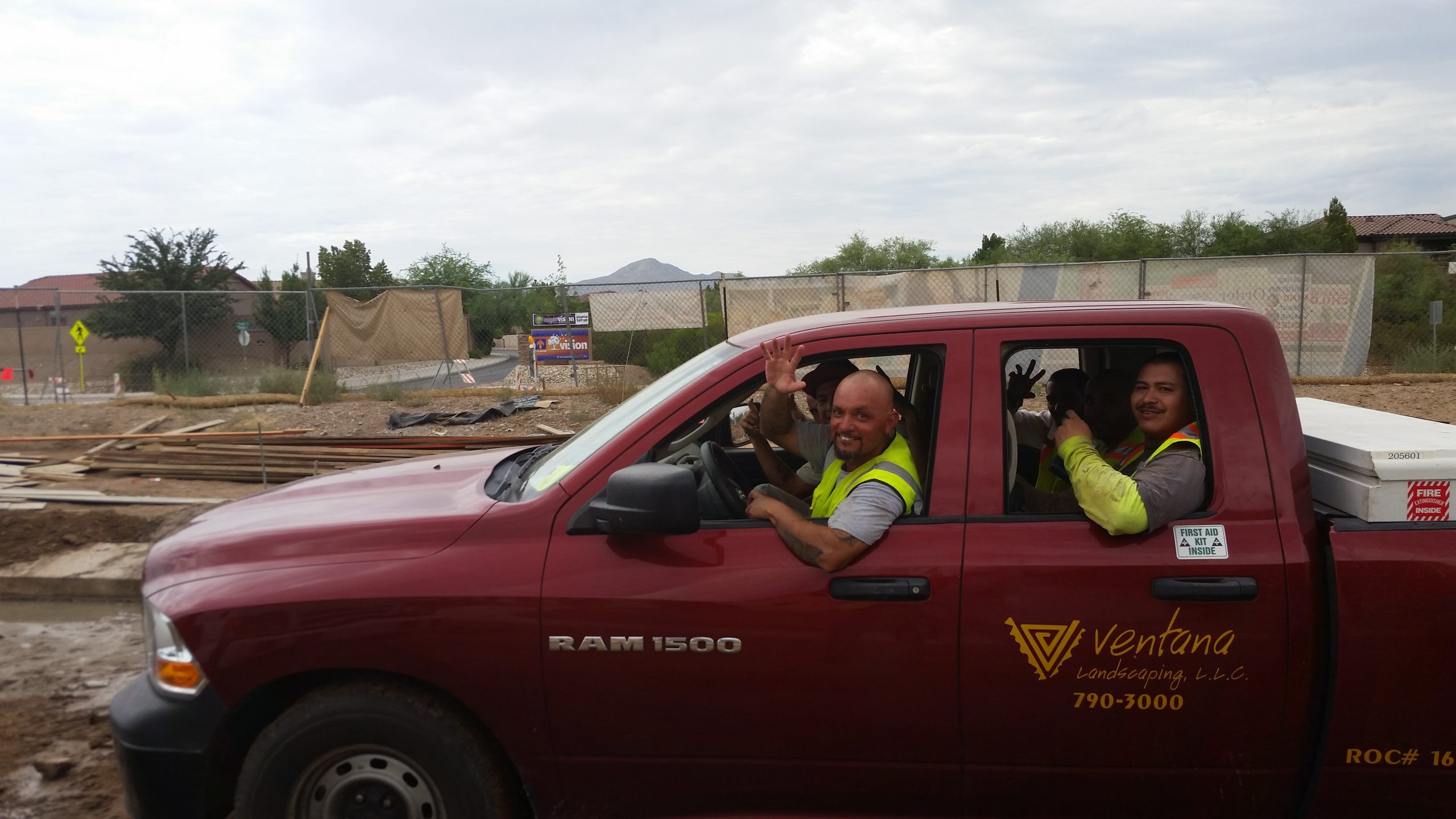 Excavating in rocky or difficult terrain requires the right equipment, planning, and coordination.
Eagle Rock Excavating has the crews and machinery to handle hard rock, caliche, and mixed soils across Arizona.
We coordinate permitting, inspections, hauling, and compaction so you can move forward with confidence.
Contact Eagle Rock Excavating today to request a site evaluation or a free estimate for your project.
Work With an Excavation Contractor Who Knows Arizona Soils
Working in rocky terrain adds complexity to any project, from higher foundation excavation cost to longer schedules.
Knowing what rock and soil conditions are present, what heavy duty equipment will be used, and how disposal is handled helps you plan with fewer surprises.
An excavation contractor with in-house grading, excavation, concrete, and hauling capabilities keeps rocky jobs moving without unnecessary delays.
Our team has handled excavation and landscaping projects throughout Phoenix and Tucson where caliche, bedrock, and mixed soils were present.
With the right equipment, crews, and coordination, we prepare sites that are ready for construction. Contact us today to discuss your project and get your quote.


