
Urban excavation presents unique challenges, often due to the tight spaces, nearby structures, and bustling activity that characterize city environments.
Tackling these obstacles requires careful planning, innovative solutions, and a keen awareness of safety and regulatory concerns.
Why You Need Excavation in Urban Projects

According to Designing Buildings, excavation is a key part of building and renovating in cities, even though it’s only sometimes obvious why digging into the ground is so important.
This process involves moving soil, rocks, and other materials to create a solid foundation for new structures or to repair and upgrade existing ones.
Let’s find out why excavation is crucial for urban projects, its benefits, and how it helps create safe, reliable infrastructure.
Making Space for Foundations
The most basic reason for excavation is to prepare the ground for the foundations of buildings, roads, bridges, and tunnels.
These foundations must be placed on stable soil to support the structure’s weight and ensure it stays upright and secure over time.
Excavation allows builders to replace unstable soil with stronger materials, providing a firm base that prevents sinking or shifting.
Installing and Upgrading Utilities
Cities depend on a network of utilities, such as water pipes, sewer systems, and electrical cables, to function smoothly.
Excavation is needed to lay down these essential services and to access them when repairs or upgrades are necessary.
Properly installed utilities reduce the risk of issues like water main breaks or power outages and ensure that city residents have access to clean water, efficient waste disposal, and reliable electricity.
Improving Drainage and Preventing Flooding
Effective drainage systems are vital in urban areas to prevent water from pooling on roads and properties, which can lead to flooding, especially during heavy rains.
Through excavation, engineers can create pathways for water to flow away from built-up areas into designated drainage systems or natural water sources.
This helps to reduce water damage to infrastructure and property and minimizes the risk of flood-related accidents and health issues.
Creating Space for Underground Parking
As cities grow more crowded, parking space becomes limited.
Excavation allows for the construction of underground parking lots, providing a space-saving solution.
These facilities keep cars off the streets, reducing congestion and making urban areas more pedestrian-friendly.
Moreover, underground parking lots can increase property values and offer a secure place for vehicles away from the weather and potential theft.
Enabling Archaeological Discoveries
Urban excavation often leads to fascinating archaeological discoveries, uncovering layers of history beneath our feet.
These finds can include old building foundations, artifacts, and even ancient burial sites, offering valuable insights into the city’s past.
Cities can preserve these historical treasures by carefully managing excavation sites, enriching our understanding of human history and culture.
Supporting Environmental Management
Excavation is used in environmental management projects, such as cleaning contaminated land.
Removing polluted soil and groundwater helps safeguard public health and the environment, making cities cleaner and safer for residents.
Additionally, excavation is used in creating green spaces like parks and community gardens, contributing to urban beautification and providing residents with much-needed recreational areas.
The Benefits of Excavation in Urban Projects
Making Strong Foundations

The most direct benefit of excavation is setting the stage for strong, durable buildings.
Skyscrapers, homes, shops, and bridges need a solid base that can only be created by digging deep and carefully laying the groundwork.
This process ensures buildings can stand tall and safe for years, resisting natural forces like earthquakes and floods.
Without proper excavation, even the most beautifully designed structures could be at risk of collapsing or sinking.
Upgrading Infrastructure
As cities grow, so does the need for reliable utilities–water, sewage, power, and internet services.
Excavation is key to installing new systems and upgrading old ones buried under our streets.
By carefully planning and executing digging projects, cities can enhance the quality of life for their residents and ensure everyone has access to essential services.
This is especially important in older neighborhoods, where updating outdated infrastructure can prevent disruptive breakdowns and improve efficiency.
Controlling Water Flow
Water is a friend until it decides to go where it shouldn’t.
Excavation helps to manage where water flows in urban areas, significantly reducing the risk of flooding.
This is done by constructing drainage systems that direct excess water away from streets and buildings.
Moreover, by creating green areas and rain gardens, cities can use excavation to manage stormwater naturally, reducing pressure on sewers and contributing to a more sustainable urban environment.
Making More Room
Urban space is at a premium, and excavation provides innovative solutions for making the most of it.
Digging down to create basements and underground parking structures is a practical way to add more room to tightly packed city blocks.
It helps with the obvious parking issue and allows for more green spaces and communal areas at ground level, enhancing the overall quality of urban life.
Rediscovering the Past
Excavation often leads to the discovering of historical artifacts and remnants of past civilizations.
These finds can offer invaluable insights into the city’s history and heritage.
Cities can preserve these treasures by carefully excavating sites, integrating them into modern developments, or showcasing them in museums.
It enriches the city’s cultural fabric and boosts tourism and local pride.
Enhancing Safety
On a broader scale, excavation contributes to making cities safer.
By removing contaminated soil or hazardous materials from previous industrial sites, cities can transform once unusable spaces into vibrant, healthy neighborhoods.
This cleanup process, often a part of larger urban redevelopment projects, is essential for protecting public health and the environment.
Additionally, by reinforcing the ground under existing structures, excavation projects can ensure that buildings are better equipped to withstand natural disasters, protecting property and lives.
Boosting the Economy
The work involved in excavation projects can have a positive economic impact on urban areas.
These projects create jobs during the digging phase and across various sectors, including engineering, planning, construction, and environmental management.
Furthermore, by improving infrastructure and public spaces, cities can attract more businesses and increase property values, contributing to a stronger, more vibrant economy.
Excavation Challenges in Urban Areas

Tight Spaces
City areas are usually packed with buildings standing close to each other.
This leaves only a small amount of room to work in, making using big machinery and moving materials around difficult.
Companies can use smaller, more flexible equipment that fits in tight spots to handle this.
Planning is also key.
Knowing exactly when and where each part of the work will happen helps to keep everything moving smoothly, even in cramped conditions.
Existing Structures
Cities have buildings, roads, and other structures that must be protected during digging.
Heavy machinery vibration can cause damage, so using tools to minimize this risk is essential.
Engineers can also design protective measures, like supporting walls, to keep nearby structures safe while work is going on.
Underground Utilities
Another big issue is the maze of pipes and cables beneath city streets.
Accidentally hitting these can cause serious problems, like power outages or water leaks.
To avoid this, teams need to do thorough checks before starting.
Modern technology, like ground-penetrating radar, can help find these utilities so workers know exactly where it’s safe to dig.
Noise and Pollution
Working in urban areas means being close to where people live and work.
The noise and dust from construction sites can be a big disturbance.
Using quieter machinery and methods, like electric-powered equipment, can reduce noise.
For dust, water spraying systems can help keep it under control.
It’s also good practice to inform the community about the work schedule and efforts to lessen the impact.
Traffic Disruption
Excavation work often means closing off streets and sidewalks, which can disrupt traffic and upset people’s daily routines.
Planning the work to cause the least amount of disruption is important.
This might mean doing some work at night or in phases, so only some things are closed off at once. Clear signs and barriers can help manage traffic flow and keep workers and the public safe.
Legal Requirements
Cities have a lot of rules about what can and cannot be done during construction projects.
Getting all the right permits and meeting these regulations is vital. Working closely with local authorities and seeking advice from legal experts can ensure everything is done according to the book.
This includes following safety standards and being prepared to handle any findings of historical or archaeological importance.
Strategies for Success
Overcoming these challenges requires a multifaceted approach, blending technology, regulatory savvy, and communication skills.
Here are practical strategies to navigate urban excavation successfully:
Embrace Technology
Modern technology offers some of the best tools for tackling urban excavation challenges.
For instance, Ground Penetrating Radar (GPR) can identify underground utilities, reducing the risk of costly and dangerous strikes.
Similarly, 3D modeling and Building Information Modeling (BIM) technologies allow planners to visualize the project in the context of its environment, helping to foresee and mitigate potential issues before they occur.
Plan Meticulously
Given the complexity of urban environments, there must be more room for error.
Every excavation detail must be meticulously planned, from the precise location and depth of the dig to the timing and logistics of material removal.
Rigorous planning helps minimize disruption and prevents costly mistakes.
Communicate Effectively
Building good relationships with all stakeholders, including city officials, utility companies, nearby property owners, and the general public, is crucial.
Clear, ongoing communication ensures everyone is informed about the project’s scope, timeline, and potential impacts, reducing frustrations and complaints.
Public meetings and updates can keep the community informed, whether through social media or traditional channels.
Prioritize Safety and Environmental Protection
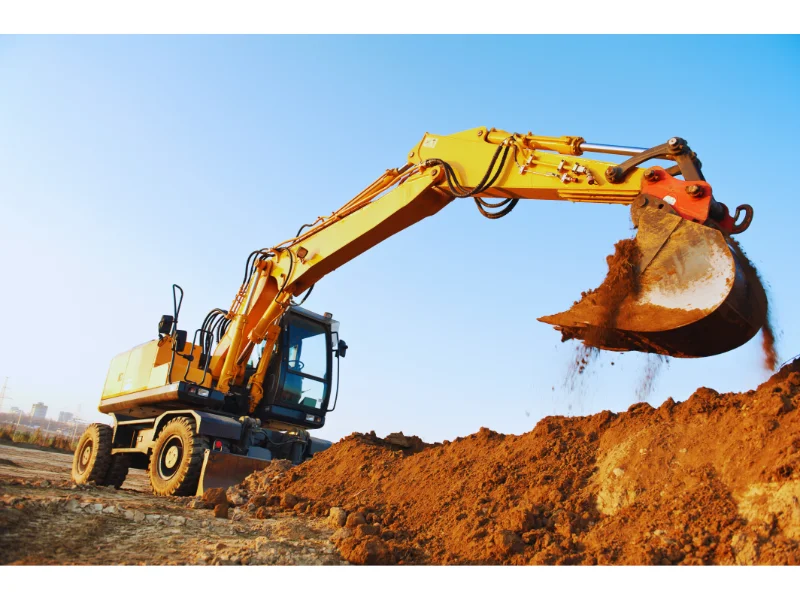
Urban areas typically have strict safety regulations to protect workers, residents, and the environment.
Adhering to these rules isn’t just about compliance; it’s also about demonstrating commitment to community well-being.
Dust suppression, noise barriers, and handling hazardous materials are essential to maintaining a safe and healthy urban space.
Innovate to Minimize Disruption
Finding creative solutions to minimize the impact of excavation on city life is key.
For example, using trenchless technologies to lay or repair utilities can significantly reduce the need for open excavation, minimizing traffic disruption and surface impact.
Similarly, scheduling work during off-peak hours can help lessen noise disturbance and traffic congestion.
Navigate Regulations with Expertise
Dealing with urban regulations requires a well-informed approach.
Hiring experts familiar with the local permitting process can streamline approvals and ensure compliance with all municipal requirements.
This team might include legal advisors, urban planners, and engineers with experience working in the city.
Final Thoughts
Urban excavation is undoubtedly complex, posing a unique set of challenges that require careful consideration and strategic planning.
However, these hurdles can be overcome by leveraging technology, prioritizing careful planning, and fostering open communication.
Successful urban excavation benefits the immediate project and sets a precedent for future endeavors. It demonstrates that the city’s dynamic and densely packed environment can support significant infrastructural developments with the right approach.
It’s about being mindful, respectful, and innovative—qualities that, when applied, can turn the challenges of urban excavation into opportunities for sustainable urban growth and development.
Tackling excavation challenges in urban settings requires a seasoned hand skilled in navigating tight spaces, adhering to stringent safety protocols, and ensuring minimal disruption to the bustling city life.
At Eagle Rock Excavating, we bring our extensive expertise and advanced techniques to every project, ensuring we overcome any urban excavation challenge with precision and speed.
Our dedicated team is ready to handle your commercial and residential civil needs, from large-scale excavation to intricate drainage solutions.
Explore our services, and don’t hesitate to contact us to get your project started with the confidence of unparalleled expertise and quality service.


