
 Every successful construction project starts with preparing the land.
Before any foundation can be built, the ground must be properly shaped and leveled to create a stable base.
Two key steps in this process are excavation and land grading.
While they may seem similar, they serve different purposes and require different techniques.
Getting an understanding of the difference between grading and excavation helps property owners, developers, and contractors make informed decisions when planning a project.
Both processes are essential in construction and site development, but they serve different needs.
When you know how land grading works and how it differs from excavation, you learn to better appreciate their unique roles and importance.
What Is Excavation?
Definition and Purpose of Excavation
Excavation is the process of removing earth, rocks, and other materials to create space for construction.
It plays a fundamental role in preparing a site for foundations, underground utilities, roadways, and drainage systems.
Without proper excavation, a structure may suffer from instability, poor drainage, and long-term damage.
Common Uses of Excavation
Excavation is widely used in various types of construction projects. One of its most important applications is in foundation work.
Removing soil to the required depth ensures that a building has a stable base.
Excavation is also essential for installing underground utilities, such as water lines, sewer pipes, and electrical conduits.
Without proper excavation, these systems cannot be safely installed.
Additionally, excavation is used to create drainage solutions, such as stormwater channels and retention ponds, to prevent flooding and erosion.
The Importance of Excavation in Construction
The importance of excavation in construction cannot be overstated.
A well-executed excavation process ensures that a project starts with a stable and secure foundation.
If excavation is not done correctly, the ground may shift over time, leading to cracks, structural damage, and costly repairs.
Professional excavation services also helps prevent water pooling and improper drainage in Arizona, which can weaken a structure over time.
Hiring experienced excavation professionals is crucial for achieving a safe and durable construction outcome.
What Is Land Grading?
Definition and Purpose of Land Grading
Land grading is the process of adjusting the slope and contour of a construction site to create a level or strategically sloped surface.
Proper grading directs water away from structures, reduces erosion, and enhances the overall usability of the land.
Unlike excavation, which involves digging into the ground, grading focuses on shaping the existing soil to improve drainage and stability.
Why Land Grading Matters
Grading plays a crucial role in protecting buildings, landscapes, and roadways.
Poorly graded land can lead to water pooling around foundations, causing moisture problems and structural damage.
In areas with heavy rainfall, proper grading helps prevent erosion and soil displacement.
In residential projects, grading ensures that lawns, gardens, and driveways remain functional and free from flooding.
In commercial and industrial developments, proper grading allows for smooth pavement surfaces, stable parking lots, and well-draining roadways.
How Land Grading Is Done
Grading typically involves the use of heavy machinery, such as bulldozers and graders, to reshape the land.
The process starts with removing high points and filling in low areas to achieve the desired slope.
A well-executed grading plan considers the site’s natural contours, soil composition, and drainage needs.
Professionals use laser-guided equipment to create precise grading that meets engineering and environmental standards.
Key Differences Between Excavation and Land Grading
Purpose and Function
The difference between grading and excavation lies in their primary objectives.
Excavation is mainly about removing soil and materials to create space for construction.
It is used for foundation preparation, underground utility installation, and creating drainage channels.
Land grading, however, is about adjusting the shape of the land to achieve proper drainage and stability.
While excavation focuses on digging and removal, grading is more about reshaping and leveling.
Techniques and Equipment Used
Excavation requires specialized digging equipment, such as backhoes, excavators, and trenchers, to remove large amounts of earth efficiently.
Grading, on the other hand, uses bulldozers, motor graders, and compactors to smooth and level the surface.
Although both processes involve soil movement, excavation is a deeper, more intensive process, while grading is typically shallower and focused on surface adjustments.
Impact on Construction Projects
Both excavation and grading are critical to construction, but their timing and execution differ.
Excavation is usually the first major step in site preparation, clearing the way for structural foundations and underground utilities.
Once excavation is complete, grading follows to create a stable and well-draining surface for construction.
Without proper excavation, a foundation may be unstable.
Without proper grading, drainage issues can arise, leading to long-term damage.
The Role of Excavation and Grading in Site Development
Ensuring a Strong Foundation
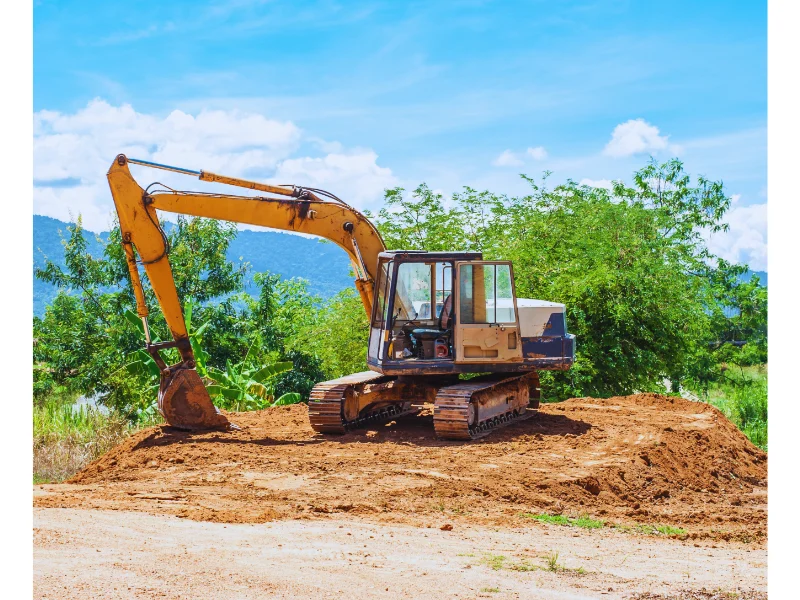 A properly excavated site lays the groundwork for a durable and long-lasting structure.
Excavation helps create a level base that prevents shifting and settling.
Without a stable foundation, even the most well-designed buildings can suffer from structural weaknesses over time.
Preventing Water Damage
Grading plays a major role in directing water away from buildings and paved areas.
Poor drainage can cause soil erosion, foundation damage, and flooding.
A well-graded site ensures that rainwater flows away from structures, reducing the risk of water-related damage.
Improving Land Usability
Grading makes land more functional for residential, commercial, and industrial purposes.
A properly graded landscape supports safe roadways, stable parking lots, and efficient drainage systems.
It also improves the look of outdoor spaces, making them more visually appealing and easy to maintain.
Choosing the Right Professionals for Excavation and Land Grading
The Benefits of Working with Eagle Rock Excavating
We at Eagle Rock Excavating specialize in excavation and land grading, providing professional services suited to Arizona’s unique landscape.
With over 70 years of combined experience, we understand the challenges of site preparation and offer solutions that promote stability, proper drainage, and long-lasting results for your build.
If you need excavation for a foundation or grading for a new development, our construction team can handle projects of any size.
Get Professional Excavation and Grading Services with Eagle Rock Excavating
Excavation and land grading are crucial steps in preparing any construction site.
Excavation clears the way for foundations, drainage systems, and underground utilities, while grading shapes the land to improve stability and water flow.
Both processes play a key role in preventing future structural issues and drainage problems.
Here at Eagle Rock Excavating, we handle every step of site preparation with precision and care.
Our team is experienced in excavation and grading to help you build on solid ground.
If you need professional site preparation, contact us today for a free estimate and reliable service tailored to your project’s needs.


