
 Aging underground utilities remain one of the most common and costly risks tied to both residential property management and city property management across the United States.
According to the American Society of Civil Engineers, much of the nation’s underground water and sewer infrastructure was installed between the 1950s and 1970s and now exceeds its expected service life.
When pipes, conduits, and buried lines degrade, the effects spread well beyond the utility itself.
Your foundation, pavement, drainage, and safety conditions all feel the strain.
Eagle Rock Excavating explains how underground utilities age, why failures happen, and how careful excavation safety planning protects your property.
Aging Underground Utilities and City Property Management Risks
City property management teams face growing pressure from aging underground utilities that no longer match modern use demands.
Water mains, sewer lines, storm drains, gas lines, and electrical conduits operate continuously below streets, parking lots, and buildings.
As these systems age, material breakdown becomes unavoidable.
The U.S. Environmental Protection Agency reports that water main breaks occur hundreds of thousands of times each year across the country, largely tied to aging pipes and corrosion.
These failures disrupt service, weaken soil, and trigger surface collapse.
For city property management groups, the problem rarely stays isolated.
One broken line can affect sidewalks, curbs, roads, and nearby buildings.
Repair work then requires excavation close to existing utilities, which raises safety risks if locations remain unclear.
Underground Utilities and Residential Property Management Concerns
Residential property management faces similar risks, though the signs often appear slower and more subtle.
Small leaks, shifting soil, or drainage trouble may signal aging underground utilities beneath homes or multi unit housing.
The Federal Emergency Management Agency reports that underground pipe leaks contribute to soil erosion that weakens foundations and slabs over time.
When water saturates soil, it loses strength. Concrete responds with cracks, settlement, or uneven surfaces.
Homeowners often discover issues after driveways crack or patios sink. Without accurate underground utility locating services, repairs may disturb active lines and raise repair costs.
Real Property Management and Hidden Utility Failures
Real property management decisions rely on predictable maintenance planning.
Aging underground utilities disrupt that predictability.
A property may appear stable while corrosion, root intrusion, or outdated materials slowly compromise buried lines.
Changes in subsurface water flow, such as those from leaking underground lines, are linked with ground collapse and subsidence in some areas according to the USG.
Once soil shifts, foundations and paved surfaces respond quickly.
Real property management teams benefit from early detection and safe excavation planning before visible damage appears. Waiting increases repair scope and safety concerns.
Utility Maintenance and Material Aging Below Ground
Utility maintenance challenges grow as materials age beyond design life. Older pipes made from cast iron, clay, or early plastic degrade faster than modern alternatives.
The EPA states that many cast iron water mains installed decades ago suffer corrosion that reduces pipe wall thickness until failure occurs.
Electrical conduits also crack and collapse under soil pressure after years underground.
Utility maintenance planning works best when excavation safety remains part of the strategy.
Digging without knowing exact locations raises the risk of strikes, service outages, and costly emergency repairs.
Utility Locating Services and Why Accuracy Matters
Utility locating services play a central role in excavation safety. Before any digging begins, underground utilities must be identified and marked to reduce strike risk.
The Common Ground Alliance reports that utility strikes remain one of the leading causes of excavation related incidents nationwide, even with calls before you dig programs in place.
Inaccurate markings, outdated records, and private lines often remain unmarked.
Professional underground utility locating services combine public records, field scanning, and verification methods to improve accuracy.
This step protects workers, structures, and surrounding properties.
Underground Utility Locating Services and Excavation Safety Planning
 Underground utility locating services support excavation safety planning for both residential and commercial work.
Marking alone does not remove risk.
Soil conditions, depth changes, and undocumented lines still pose threats.
The Occupational Safety and Health Administration highlights that excavation remains one of the most hazardous construction activities, especially near live utilities.
Careful planning reduces exposure.
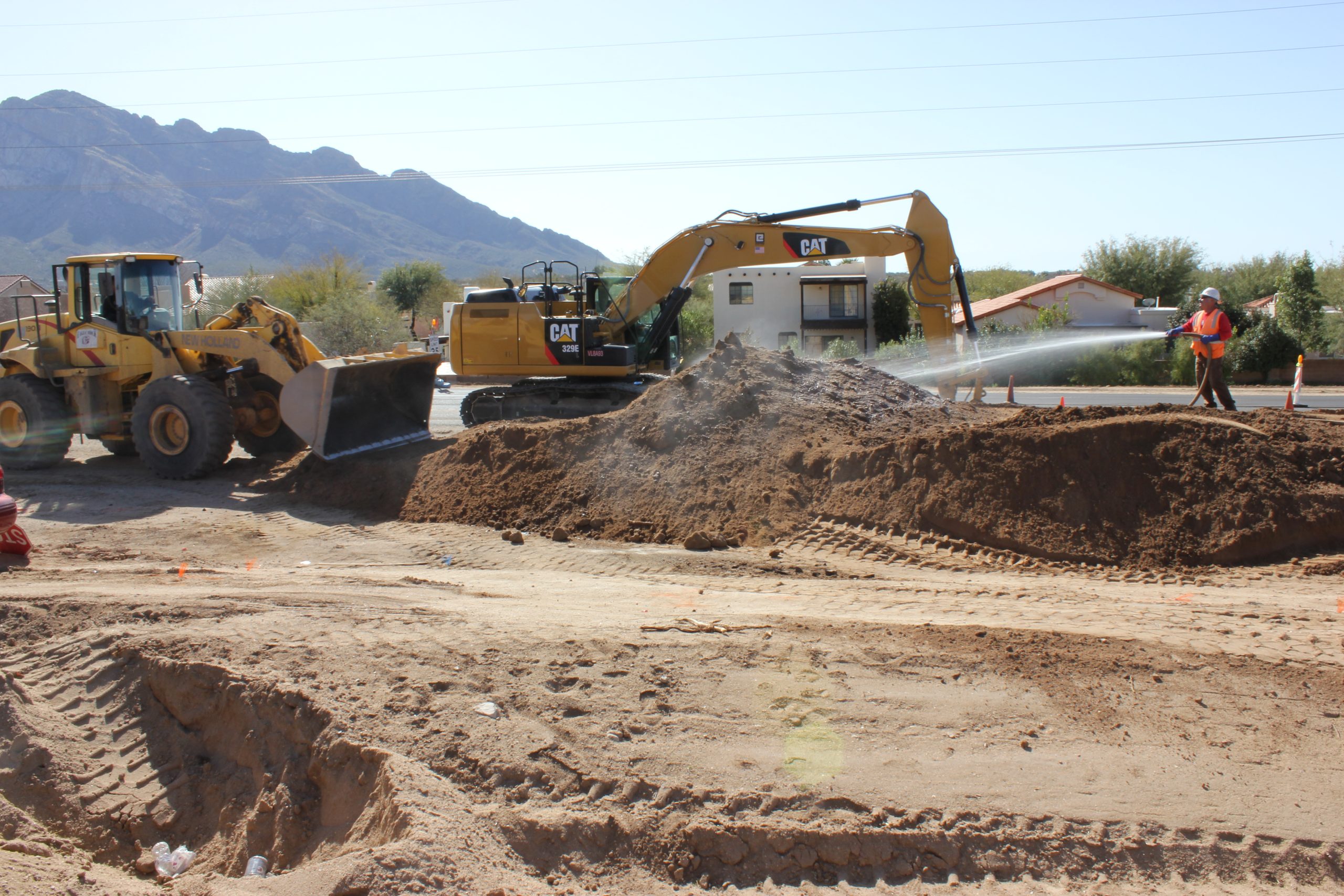
Eagle Rock Excavating incorporates locating verification and controlled digging methods when working near underground utilities.
This approach limits disturbance while allowing required foundation excavation or drainage preparation to proceed.
Foundation Excavation Near Underground Utilities
Foundation excavation presents added risk when underground utilities run close to footings or slabs.
Older properties often have utilities placed without modern clearance standards.
When excavation removes supporting soil, nearby pipes may shift or crack.
The National Institute of Standards and Technology notes that soil movement during excavation contributes to utility failure and structural settlement.
Foundation excavation planning includes staged digging, temporary support, and constant monitoring.
These steps reduce strain on aging lines and protect surrounding structures.
Storm Drainage Prep and Utility Maintenance Overlap
Storm drainage prep often intersects with underground utilities.
Older drainage systems may not handle modern runoff patterns, leading to pooling and erosion near utility corridors.
The EPA explains that failing storm drainage systems accelerate utility corrosion and soil washout beneath paved surfaces.
When water remains trapped underground, utilities degrade faster.
Eagle Rock Excavating handles storm drainage prep alongside utility maintenance planning. Coordinating both reduces repeated digging and lowers disruption.
Common Mistakes With Underground Utilities in Property Projects
Many property projects run into avoidable trouble due to basic mistakes tied to underground utilities.
- Relying only on surface markings
• Ignoring private utility lines
• Skipping verification digging
• Rushing excavation schedules
• Failing to coordinate utility maintenance planning
The Common Ground Alliance notes that many excavation incidents stem from incomplete locating or assumptions about line depth.
Avoiding these errors protects safety and reduces repair delays.
Excavation Safety and Risk Reduction Steps
Excavation safety improves through layered planning rather than single checks. Safe projects rely on clear communication, controlled digging, and real time monitoring.
OSHA recommends keeping excavation zones stable and free from unnecessary vibration when utilities run nearby.
Even small shifts may damage older lines.
Eagle Rock Excavating applies measured excavation methods when working near underground utilities.
This reduces stress on aging infrastructure while allowing progress.
City Property Management Planning Ahead With Utilities
City property management teams benefit from long range planning tied to underground utilities. Proactive assessment reduces emergency repairs and surface damage.
The EPA encourages routine inspection and mapping updates for underground systems to limit service disruption and public safety risks.
Coordinating excavation with utility upgrades limits repeated disturbance and supports safer construction.
Residential Property Management and Preventive Action
Residential property management often focuses on visible upkeep, yet underground utilities demand equal attention.
Slow leaks and shifting soil cause damage long before symptoms appear.
The Federal Highway Administration reports that subsurface water movement contributes to pavement failure in residential areas.
Similar patterns affect slabs and walkways.
Early assessment and careful excavation reduce surprise repairs later.
How Eagle Rock Excavating Supports Safe Utility Work
Our crew handles excavation near underground utilities with planning that prioritizes safety and control.
Utility locating services, drainage prep, and foundation excavation work together rather than in isolation.
Projects benefit from experience handling varied soil conditions and aging infrastructure common across residential and commercial sites.
Careful sequencing limits disturbance and reduces repair risk.
The approach supports property managers, developers, and homeowners seeking dependable outcomes without unnecessary disruption.
Practical Planning Tips Before Any Excavation
 Before excavation begins, consider these planning steps.
- Confirm public and private utility locations
• Schedule locating services early
• Review property records and past repairs
• Plan excavation stages
• Allow time for verification digging
Why Aging Underground Utilities Deserve Attention Now
Aging underground utilities will not improve without intervention. Pipes, conduits, and drainage systems continue to degrade until failure occurs.
The ASCE Infrastructure Report Card gives US wastewater infrastructure a grade that reflects ongoing deterioration nationwide.
Property level planning matters just as much as city scale investment.
Recognizing early signs and planning excavation carefully protects property value and safety.
Conclusion How Aging Underground Utilities Can Affect Your Property
Aging underground utilities quietly shape the condition of your property.
Leaks, corrosion, and outdated materials weaken soil, strain foundations, and raise safety risks during excavation.
If you manage residential properties or oversee commercial developments, ignoring what lies below ground creates avoidable problems.
Utility locating services, routine assessment, and controlled excavation reduce these risks.
Eagle Rock Excavating supports property owners and managers with safe excavation planning, storm drainage prep, and foundation excavation near underground utilities.
If you want guidance on your next excavation project, reach out today so we can walk through options and provide a clear plan before digging begins.


