
 When a sudden monsoon downpour hits, your parking lot can go from dry to damaged in a matter of hours.
You need practical steps to keep water moving away from pavement so puddles, cracks, and washouts do not shorten the life of your surface.
Eagle Rock Excavating explains how asphalt drainage systems work in Arizona conditions, what you can do to manage stormwater runoff, and how we can help you protect paved areas for years to come.
What Arizona Storms Mean for Parking Lots and Why Runoff Control Matters
Arizona gets much of its annual rainfall in a few intense months.
The North American monsoon can deliver 10 to 60 percent of a location’s yearly rain during June through August.
When heavy rain falls over large paved areas, water flows rapidly instead of soaking in.
That rapid flow can lift pavement fines, widen cracks, and overload nearby drains.
These effects add up to earlier pavement failure and higher repair bills.
- Impervious surfaces like parking lots create concentrated runoff. The EPA notes that runoff from paved areas carries sediment and pollutants and can overwhelm drainage systems when not handled correctly.
- The scale of the problem is regional. Arizona cities see highly variable monsoon seasons; some years bring sudden heavy storms that stress local drainage networks.
How Asphalt Drainage Systems Work to Manage Stormwater Runoff
Asphalt drainage systems are a combination of design, grading, and structures that move rainwater away from the pavement surface quickly and safely.
Typical elements include surface slope, catch basins, curbs, gutters, storm sewer connections, and inlet protection.
Key Elements in Asphalt Drainage Systems
- Engineered grading and slope so water flows to designed collection points.
- Storm drain maintenance and clear inlets to avoid clogging.
- Storm sewer maintenance where larger storm flows need to be carried away.
- Runoff control structures such as swales, curb inlets, and retention basins.
When these elements work together, stormwater does not pool on the driving surface and accelerated pavement wear is reduced.
Proper grading and runoff control also lower the safety risk from hydroplaning and surface erosion.
Early Steps You Can Take to Control Runoff and Protect Pavement
You can take several practical steps that reduce the risk of storm damage and lower repair frequency.
Grade The Lot To Move Water Away From Pavement
Setting correct slopes during construction or resurfacing is the single most important measure to manage stormwater runoff.
A small slope change influences how water sheets off asphalt and whether it reaches drain inlets or pockets in the surface that promote freeze and thaw damage in cooler months.
Keep Drains Clear With Regular Storm Drain Maintenance
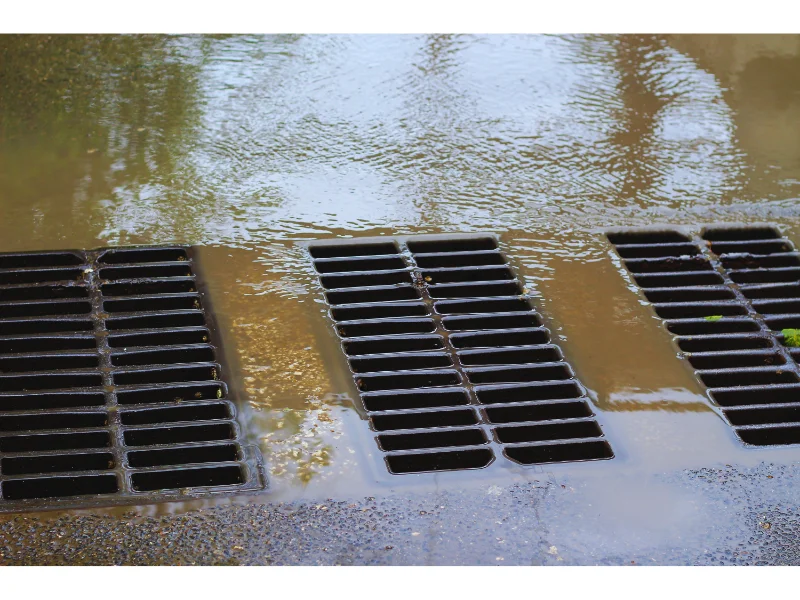
Clogged inlets and debris build-up are common causes of surface pooling.
A regular storm drain maintenance routine that removes leaves, sediment, and trash prevents small storms from becoming damaging events.
Consider Permeable Driveway Pavers In Low-Traffic Areas
Permeable driveway materials and permeable driveway pavers let some water infiltrate locally rather than run across the surface.
They are not a universal cure but work well for drive aisles, overflow areas, and residential approaches where you want to reduce surface runoff and treat runoff at source.
The EPA notes porous pavements can reduce runoff volume and improve water quality when designed correctly.
Protect Subgrade With Proper Compaction And Stabilization
Poorly compacted subgrade lets water penetrate and weaken the base beneath asphalt.
Using stabilization of soil techniques and correct backfilling and compaction practices prevents rutting and cracking long after the surface is placed.
Design Details That Make Asphalt Drainage Systems Last
 Good drainage starts below the surface.
These design choices reduce maintenance and extend pavement life.
Engineered Cut and Fill to Direct Runoff
Accurate cuts and engineered fills create the gradients needed to move water to storm drains and away from building foundations.
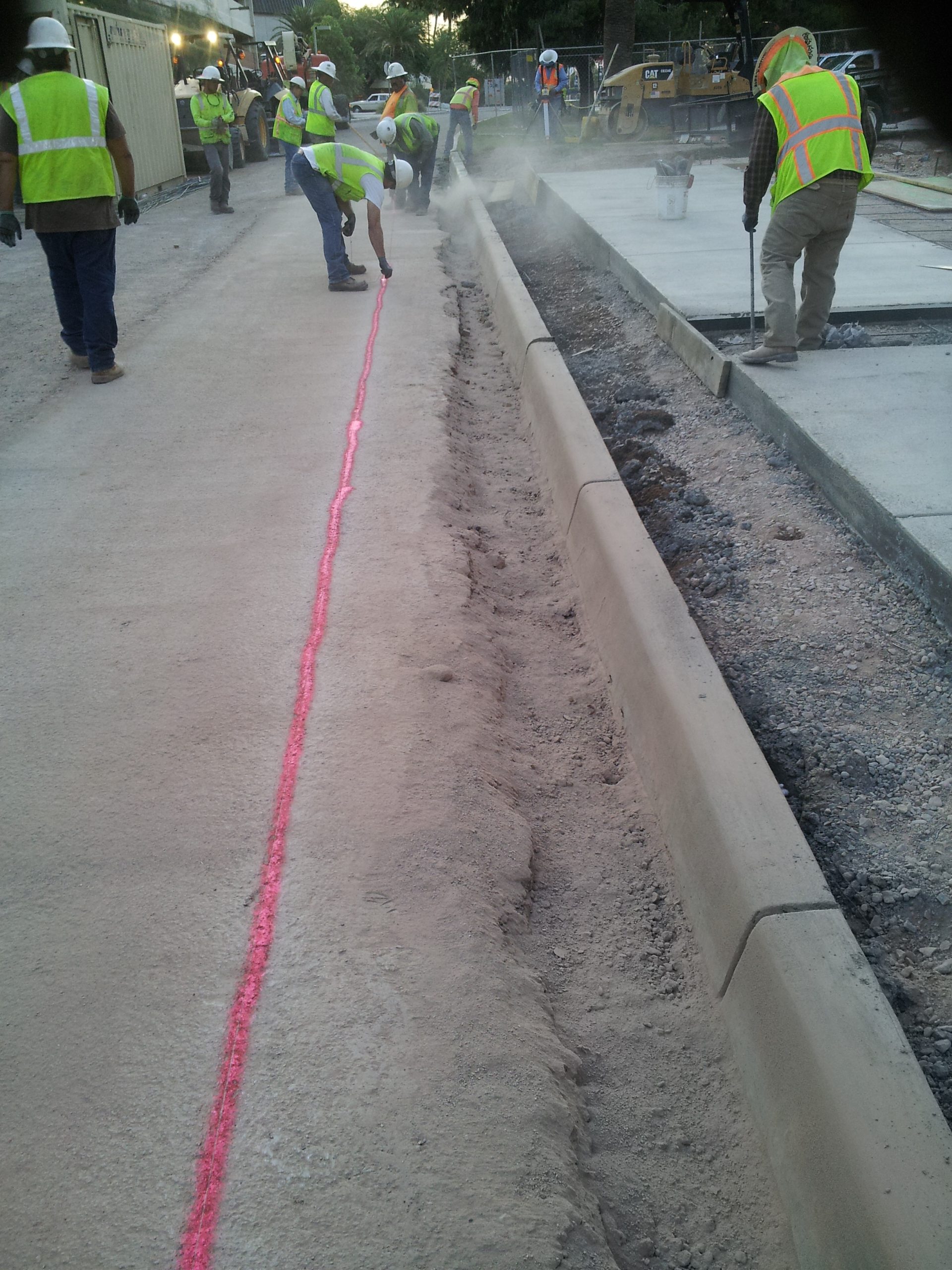
During site prep, the excavation and rough grading phase sets the geometry that determines water flow for decades.
Trenching for Storm Sewer Maintenance and Reliable Flow
Trenches that connect catch basins to storm sewer lines must be installed with correct slope and bedding.
Improper trenching causes sags and ponding that trap water rather than conveying it away.
Use Materials That Resist Clogging and Erosion
Choose durable aggregates and specify inlet protection.
Where permeable materials are used, a sacrificial gravel layer or filter fabric can reduce clogging and keep pores open longer.
Permeable Driveway Materials and Their Role In Runoff Control
Permeable solutions work differently depending on material.
Here are common choices and how to think about them.
- Porous asphalt is similar to traditional asphalt but with a designed void structure to let water in. It works well on parking stalls and low-speed areas, but it needs regular storm drain maintenance and periodic surface cleaning.
- Pervious concrete allows infiltration and is often used in low to moderate load areas. It reduces runoff volume but has different wear characteristics under heavy traffic.
- Interlocking permeable pavers combine structural capacity with infiltration. They are easy to replace individually and perform well for residential and some commercial uses.
Use permeable driveway materials where they fit the use case.
In drive aisles and heavy-traffic lanes, traditional asphalt with engineered drainage is often the better choice.
How Eagle Rock Excavating Helps with Your Drainage
You want clear guidance and predictable results.
Eagle Rock Excavating focuses on the earthwork, grading, trenching, and drainage construction that get water moving where it should.
Excavation and Rough Grading
Correct cuts and properly compacted fills create the drainage slopes needed to manage stormwater runoff.
Our team prepares the subgrade by removing excess soil, shaping the site, and compacting layers to guide water naturally toward drains and low points.
This process helps prevent pooling and premature pavement cracking.
Finish Grading and Paving Prep
Finish grading ensures surface drains work efficiently.
In carefully shaping the top layer of a parking lot or driveway, our crew makes sure runoff flows smoothly to inlets and storm drains.
Proper grading reduces wear on asphalt drainage systems and lowers the need for repeated repairs.
Trenching and Storm Sewer Installation
Trenching connects catch basins to larger storm sewer lines, providing a path for rainwater to exit the site safely.
Eagle Rock crews place trenches strategically along parking lot low points, medians, or building edges to handle runoff effectively.
Properly installed trenches prevent water from pooling in high-traffic areas.
Drainage System Maintenance Support
We can assess your lot and create a practical plan for ongoing storm drain maintenance and storm sewer maintenance.
Routine inspections and debris removal help keep asphalt drainage systems performing well and protect your investment in your property.
Common Problems You Can Spot Early and What You Should Do
 Look for these signs during your routine checks.
They often mean drainage is failing and repairs will be larger if ignored.
- New Standing Water after brief storms.
- Sediment Buildup in catch basins and gutters.
- Surface Raveling and Crumbling where water regularly runs.
- Longitudinal Cracks that follow drainage lines.
Quick Answers to Frequent Questions Property Managers Ask
Can We Just Add More Drains to Solve Pooling?
More inlets help only if grading directs water to them.
Inlet placement without the correct slope often shifts the problem.
Good design is a system, not a single fix.
Do Permeable Driveway Pavers Work in Arizona Heat?
Yes for many uses. Porous asphalt and pavers perform well if cleaned and maintained.
Some permeable concrete types may wear faster under very heavy vehicular loads.
How Often Should Storm Drain Maintenance Occur?
Inspect quarterly and after big storms.
High-debris sites may need more frequent checks.
Take The First Steps Today to Reduce Storm Damage
Seasonal storms are part of Arizona’s climate.
You can reduce the cost and downtime caused by flooded, failing parking lots by focusing on good grading, practical asphalt drainage systems, routine storm drain maintenance, and informed use of permeable driveway materials.
Eagle Rock Excavating helps clients from initial site grading to trenching and ongoing storm sewer maintenance.
If you want a site review or a maintenance plan you can follow, contact Eagle Rock Excavating for a clear assessment and a written scope you can share with your team.


