
Choosing the right excavating contractor can make or break a construction project before a single wall goes up. The groundwork, literally, determines how well every structure, drainage system, and paved surface performs for years to come.
In Southern Arizona, the combination of caliche soil, monsoon flooding, and extreme heat adds layers of complexity that not every contractor is equipped to handle. A poor choice at this stage leads to costly rework, project delays, and structural problems that are difficult to fix after the fact. Knowing what to look for before you hire puts you in a far stronger position.
What Services Does an Excavating Contractor Actually Provide?
Excavating contractors do much more than dig holes. The scope of work typically covers site clearing, grading, trenching, utility installation, drainage work, and soil compaction, all of which have to be done in the right sequence and to precise specifications.
In Southern Arizona, experienced excavating contractors also handle caliche removal, which requires specialized equipment and methods that general contractors often lack. Caliche is a hardened calcium carbonate layer that sits just below the surface in much of the Tucson region, and it can resist standard digging equipment if the operator does not know how to approach it.
At Eagle Rock Excavating, we provide the full range of civil construction services that commercial and residential projects need from the ground up. Our team works across Southern Arizona, and we understand the terrain, the soil conditions, and the seasonal factors that affect every job.
What Qualifications Should You Look for in an Excavating Contractor?
Licensing is the first thing to verify. In Arizona, contractors are required to hold a license issued by the Arizona Registrar of Contractors, and you can search the license database directly on their website to confirm a contractor’s standing. Never hire an unlicensed operator for earthwork, regardless of how competitive their price looks.
Insurance is equally important. An excavating contractor should carry general liability insurance and workers’ compensation coverage. If something goes wrong on site, whether a utility line is struck, a retaining wall damaged, or a worker injured, you need to know those costs are covered by the contractor’s insurance, not yours.
Bonding is the third piece. A bonded contractor has met a financial requirement that protects you if the work is left incomplete or falls short of the agreed specifications. These three credentials together, license, insurance, and bond, are the baseline before any other conversation takes place.
How Do You Evaluate Experience With Southern Arizona Conditions?
Not all excavation experience is equal. A contractor who has worked primarily in other states or regions may not have dealt with the specific challenges that Southern Arizona presents. Caliche removal, desert drainage planning, and extreme heat scheduling all require local knowledge that comes from time on the ground here.
Ask potential contractors how long they have been operating in the Tucson area and what types of projects they have completed. A track record of commercial site work, parking lot preparation, and drainage installation in the region tells you more than a general portfolio of excavation jobs from other climates.
According to research published by the University of Arizona Cooperative Extension, caliche layers in Southern Arizona can range from a few inches to several feet thick and vary significantly across short distances. Contractors who are not familiar with this variability can underestimate excavation time and costs, leading to project overruns that fall on the property owner.
What Equipment Should a Reputable Excavating Contractor Have?
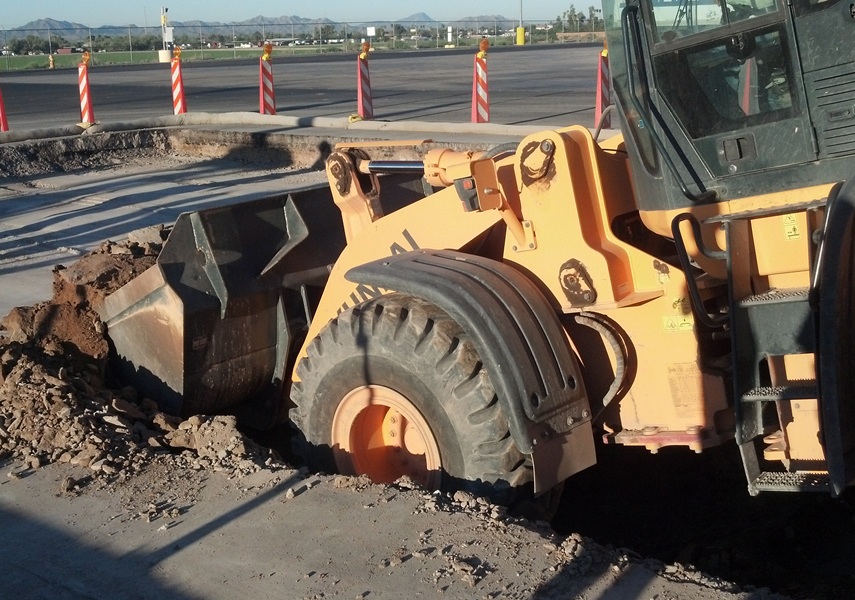
The quality and condition of a contractor’s equipment directly affects the quality of their work and the efficiency of your project. Excavating contractors working in Southern Arizona need machines capable of breaking through hardpan and caliche, not just loose topsoil.
Look for contractors who own and maintain their own fleet rather than relying entirely on rented equipment. Contractors with their own machines tend to have better equipment availability, lower mobilisation costs, and operators who know their machines well.
The core equipment you should expect for most commercial or large residential projects includes:
- Excavators
Full size hydraulic excavators are necessary for deep trenching, utility work, and caliche removal across larger sites. - Skid Steers
Compact and maneuverable, skid steers handle grading, backfill, and material moving in areas where larger equipment cannot operate easily. - Graders
Motor graders are essential for achieving the precise surface levels that proper drainage and paving require. - Compactors
Soil compaction equipment ensures that fill material is packed to the density required by engineering specifications, preventing settlement after construction.
How Do You Assess the Quality of a Contractor’s Past Work?
References from past clients are one of the most reliable indicators of what to expect. Ask for at least two or three references from projects of similar scope to yours, and follow through by contacting them. Ask about timeline, communication, and whether the finished work met the agreed specifications.
You can also check the Arizona Registrar of Contractors for any complaints or disciplinary actions on a contractor’s license. A history of unresolved complaints is a red flag that is worth taking seriously before you sign anything.
Project photos and site visits to completed work, where a contractor can arrange them, give you a clearer picture of their workmanship than marketing materials ever will. Pay attention to the quality of grading, the evenness of compacted surfaces, and the condition of drainage features.
What Should You Expect During the Bidding Process?
A reputable excavating contractor will visit the site before providing a quote. Any contractor who provides pricing based solely on a description or rough measurements without a site walk is not giving you a reliable number.
The bid should clearly itemize the scope of work, the equipment that will be used, the timeline for each phase, and any conditions that could affect the final cost, such as the depth and extent of caliche removal. Vague estimates that lump everything into a single total make it difficult to compare bids or hold a contractor accountable if the work falls short.
According to the American Society of Civil Engineers, inadequate site preparation is one of the leading causes of structural failure in built infrastructure. Choosing a contractor on price alone, without evaluating their process and qualifications, is a risk that regularly produces expensive consequences.
How Does Communication Affect the Outcome of an Excavation Project?
Excavation projects regularly encounter unexpected conditions. Underground utilities that were not marked accurately, soil layers that differ from preliminary assessments, or drainage patterns that require a design adjustment are all possibilities. How a contractor handles those situations depends almost entirely on how well they communicate.
A contractor who contacts you promptly when something unexpected comes up, explains the issue clearly, and offers a specific solution is far more valuable than one who either ignores the problem or presents surprises only at the end of the project. Before hiring, ask how the contractor typically communicates during a job and who your main point of contact will be.
Responsiveness during the bidding phase is often a good indicator of how responsive a contractor will be once work begins. If calls and emails go unanswered before you have signed a contract, the pattern is unlikely to improve afterward.
What Role Does Timeline Management Play in Contractor Selection?
In Southern Arizona, project timing matters more than it does in more temperate climates. Extreme summer heat affects how long crews can safely work each day, and monsoon season, which runs from mid-June through September according to the National Weather Service, can halt earthwork, wash out freshly graded surfaces, and affect compaction quality if rainfall saturates the soil.
An experienced excavating contractor in Southern Arizona plans around these seasonal factors rather than being caught off guard by them. When reviewing bids, ask how the contractor accounts for weather windows and summer heat in their project schedule.
Delays caused by poor planning have downstream effects on every trade that follows, including concrete, paving, and framing. A realistic and sound timeline is a sign of a contractor who understands both the work and the environment.
What Is the Difference Between a Civil Contractor and a General Excavating Contractor?
 Civil contractors typically handle larger scale infrastructure work such as road construction, utility installation, drainage systems, and commercial site development. General excavating contractors may focus more on residential grading, pool excavation, or smaller foundation work.
For commercial projects in Southern Arizona, including parking lots, retail developments, multifamily housing pads, and municipal infrastructure, you want a contractor with civil construction experience. The engineering requirements, compaction standards, and drainage specifications are more demanding than for most residential work, and the consequences of getting them wrong are more significant.
Our services cover the full range of civil and commercial excavation work across Southern Arizona. We work with developers, general contractors, municipalities, and private property owners to deliver sites that are ready for whatever comes next.
What Should a Contract With an Excavating Contractor Include?
A clear contract protects both parties and reduces the likelihood of disputes once work is underway. At minimum, the contract should define the scope of work in specific terms: what areas will be graded, to what elevations, what materials will be excavated and hauled, and where fill material will come from. Vague scope language creates room for disagreements about what was and was not included in the price.
Payment terms should be clearly stated, including what triggers each payment milestone and what documentation is required before payment is released. Most commercial excavation contracts are structured around progress milestones rather than a single lump sum at completion, which is reasonable. The milestones should be defined objectively, not left open to interpretation.
Change order procedures deserve particular attention on excavation projects in Southern Arizona. Because subsurface conditions can vary from what was anticipated, having a clear agreed process for how unexpected caliche, utility conflicts, or soil conditions will be priced and approved keeps the project moving without disputes about who owes what.
How Does the Scope of an Excavation Project Affect the Selection Process?
The scale and nature of your project should directly influence which contractors you consider. A small residential grading job and a commercial parking lot construction project require different equipment, different experience, and often different licences.
For civil construction projects such as commercial site development, municipal infrastructure, large parking facilities, or multiphase developments, look for contractors with documented experience in that category. Ask specifically about projects of similar size and scope to yours. A contractor who is excellent at residential grading work may not have the fleet size, the bonding capacity, or the project management infrastructure to handle a large commercial job on a tight schedule.
Conversely, a large civil contractor may not be the most cost effective choice for a smaller scope of work, where mobilisation costs and overhead can inflate the price relative to what a capable regional contractor would charge. Matching the contractor to the project scale is part of making a good hiring decision.
Start Your Project With the Right Excavating Contractor
The excavating contractor you choose sets the foundation for everything that follows. Verify their licence, check their insurance, review their references, and take the time to understand their process before signing anything. In Southern Arizona, local experience with caliche, monsoon drainage, and extreme heat is not a bonus. It is a necessity.
If you are planning a commercial or civil construction project in the Tucson area, contact Eagle Rock Excavating to discuss your project and get a site-specific quote. We bring the equipment, the experience, and the local knowledge that Southern Arizona projects demand.


