
You can lose days of work, face inspections, and put people at real risk when heat is ignored on a jobsite.
In Arizona the risk is growing as heat events become more frequent, and regulators are taking action.
Eagle Rock Excavating wrote this guide so you can create a site specific Heat Injury and Illness Prevention Plan that follows federal and state guidance and protects your crew and schedule.
OSHA has proposed a rule that would require written plans and heat controls, and Arizona’s ADOSH has a state emphasis program for heat safety.
What Is a Heat Injury Prevention Plan HIIPP
A Heat Injury Prevention Plan, or HIIPP, is a written, site specific plan that describes how you will spot heat hazards and reduce them.
The plan says who does what on site, lists heat triggers and controls, and documents training and incidents.
OSHA’s proposed rule calls for these written plans and for active checks when heat crosses a trigger.
Employers are being told to prepare now so you can avoid gaps when inspections increase.
Setting Heat Triggers and Work-Rest Schedules
How to Choose a Trigger Method
You can use the heat index or WBGT monitoring to note when to take extra steps.
The proposed OSHA rule references triggers that relate to temperature and workload, and employers in Arizona have also used WBGT based triggers.
Pick a trigger method that your crew can follow each day and that is simple for supervisors to use.
Simple Work Rest Schedules You Can Use
Match work rest time to how hard the job is and to the heat reading you use.
For heavy work on hot days, increase break time and lower continuous work time.
Start new workers with shorter shifts in the heat and add time each day so their bodies adapt.
NIOSH and CDC guidance recommend gradual acclimatization over the first one to two weeks for new or returning workers.
A Short Example Schedule You Can Adapt
On very hot days give a cool break every 30 to 45 minutes for heavy work, and every 60 to 90 minutes for moderate work, then lengthen work times as heat drops.
Adjust these times with supervisor judgment and the trigger readings you set.
Keep records of adjustments so you can explain choices to inspectors.
Engineering and Administrative Controls for Construction Heat Safety
Engineering Controls to Reduce Heat Exposure
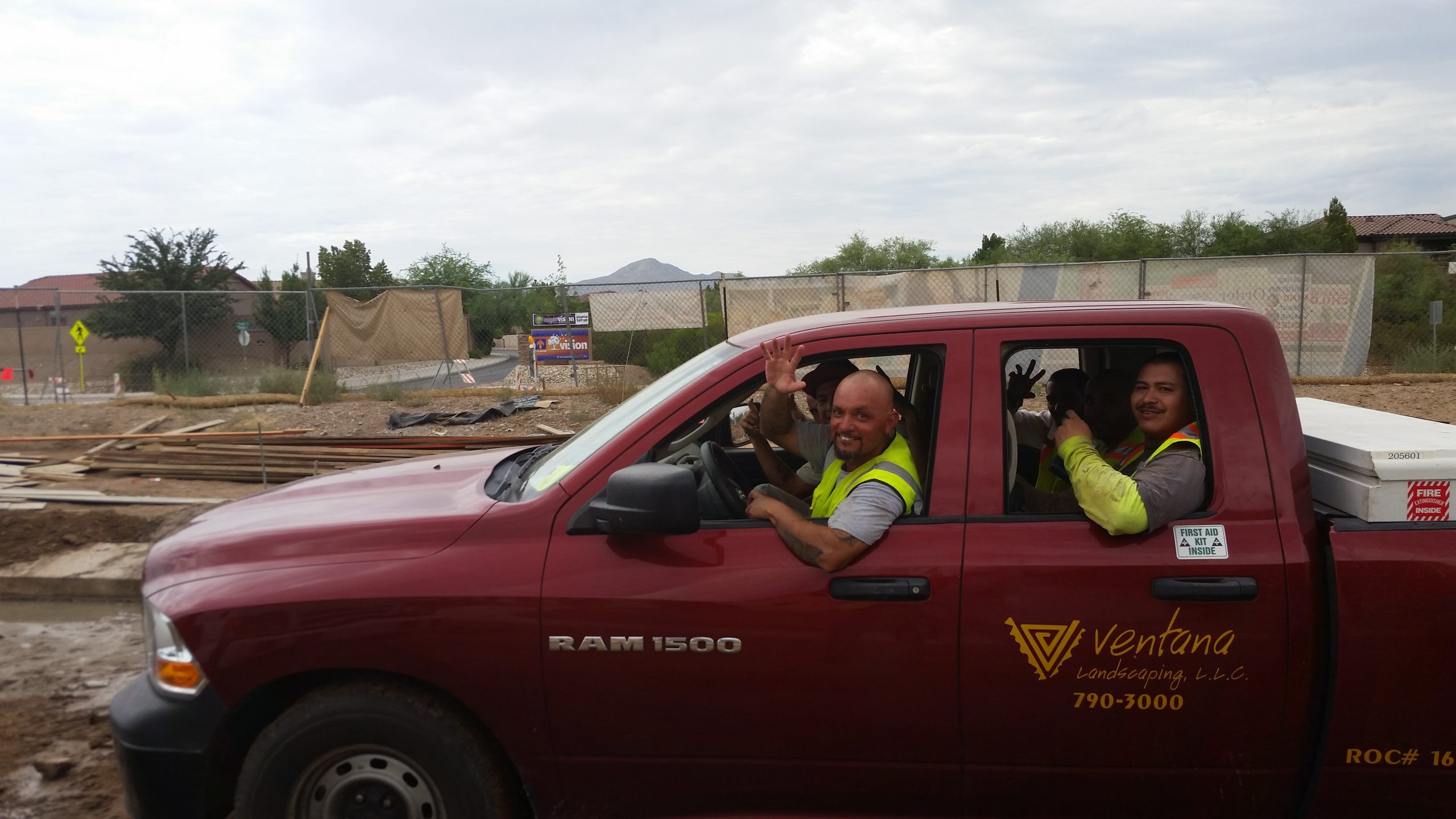
Put shade near work areas, use fans or cooling units at break spots, and set up quick access to cool water.
These steps lower heat stress without changing work methods too much.
For some tasks consider temporary shelters that cut radiant heat from the sun.
Administrative Controls to Manage Heat
Schedule the hottest tasks for cooler hours, rotate workers so no one is in the heat too long, and limit overtime during heat waves.
Use a buddy system so workers watch for signs of heat illness and can act quickly.
Tools and Supplies to Keep On Site
Provide plenty of drinking water, sun protective gear, and quick access to cool areas.
Keep ice or chilled water near the crew on high heat days.
Use simple heat monitors or apps that show heat index or WBGT so supervisors can make quick calls.
Heat Illness Prevention Training and Crew Awareness
Teaching Workers the Early Signs of Heat Exhaustion
Teach workers to watch for heavy sweating, weakness, dizziness, headache, nausea, and fainting.
These are common heat exhaustion symptoms and often come before more serious heat stroke.
If you suspect heat exhaustion move the person to shade, cool them, give water, and call medical help if they do not improve.
Recognizing Heat Stroke and Responding Quickly
Heat stroke can include confusion, loss of consciousness, and very high body temperature.
Heat stroke is a medical emergency.
Call emergency services right away and start cooling the person while help is on the way.
Running Effective Heat Stress Training
Run short toolbox talks that include how to spot symptoms, how to use the buddy system, and who to call in an emergency.
Keep training simple, use plain language, and repeat it often during hot months.
Record who attended and the date of the talk.
How To Build The Core Sections Of Your HIIPP

Site Risk Assessment and Hazard List
Walk the site with supervisors and list tasks and locations where heat exposure is highest.
Note fixed hazards like reflective surfaces and mobile hazards like heavy equipment that raises exertion.
Document shaded rest areas and water points.
Heat Triggers and Action Steps
State the trigger method in your plan, say what will happen when the trigger is reached, and who has authority to change schedules.
For instance, use a WBGT reading above your chosen limit to require extra breaks and to add a shaded rest area.
Training and Communication Plan
List what training you give, when you give it, and who keeps records.
Make a plan for daily briefings that remind crews about hydration and the buddy system.
Emergency Response and Medical Steps
Describe how you will respond to heat illness, who calls emergency services, and where to send workers for care.
Include the location of first aid kits and the name and number of the site first aid lead.
Documentation and Recordkeeping
Keep copies of the written plan, attendance on training, daily heat logs, incident reports, and any medical follow up notes.
Inspectors look for this paperwork, so keep it organized and available.
How ADOSH, OSHA Are Approaching Heat Safety in Arizona
What Regulators Are Asking for Right Now
Arizona’s ADOSH has a state emphasis program focused on heat hazards and is working with employers on prevention steps.
Federal OSHA has published a proposed rule and held public hearings about a national standard that would require written HIIPPs and active controls when triggers are met.
These actions mean inspectors will expect a written plan and related records.
Local Actions That Could Affect Your Site
The Arizona governor issued an executive action pushing coordination on workplace heat safety and directed agencies to form a task force to draft guidance.
That signals regulators will increase attention to heat measures and employer readiness.
What Inspectors Will Look For During Heat Related Visits

Training Records And Toolbox Talk Logs
Inspectors often ask to see training records and recent toolbox talk notes, so keep them in a single file.
Water And Shade Availability
Inspectors check that cool water is available and that workers have shade or cool break areas when triggers are met.
Plan Documentation And Daily Logs
Inspectors will want to see the written HIIPP and daily heat logs that show when triggers were hit and what actions were taken.
Incident Reporting And Medical Follow Up
If a worker had heat illness, inspectors will review the incident report and any medical follow up. Keep these records and document corrective steps taken after any case.
Sample Language You Can Adapt Into a Site Plan
This short block can be adapted to your site and pasted into your project safety plan.
Keep it in your job folder so inspectors can find it easily.
Site Heat Policy
The employer maintains a written site heat plan that lists triggers, controls, training, and emergency actions.
Supervisors use the chosen heat index or WBGT method to set daily controls.
Triggers and Actions
When the site heat trigger is met, supervisors will increase rest breaks, provide shaded rest areas, and make chilled water available.
Supervisors record the heat reading and the controls used in the daily log.
Training
All workers will receive short heat stress training before starting hot weather work, with weekly refreshers during hot months.
Training covers heat exhaustion symptoms, signs of heat exhaustion, and emergency response steps.
Emergency Response
If a worker shows signs of heat stroke, call emergency services immediately and begin cooling while help is on the way.
If a worker shows heat exhaustion symptoms, move them to shade, offer fluids, and monitor until they recover.
Common Mistakes and How You Can Avoid Them
- Waiting until a heat event forces changes. Start planning now.
- Skipping documentation. Keep simple logs so you can show inspectors what you did.
- Not planning for new or returning workers. Use shorter first shifts to help their bodies adapt.
- Ignoring the utility of shade and water. These simple steps reduce cases quickly.
How Eagle Rock Excavating Handles Heat Safety on Jobsites
Our team prioritizes safety and follows Arizona and federal guidance for heat prevention.
On our sites supervisors complete heat checks, schedule shaded breaks, and keep basic records so you can show what was done.
We work with clients to match site rules to contract schedules so heat controls do not create unnecessary confusion during busy phases.
When You Should Call for Medical or Outside Support
Call emergency services immediately for suspected heat stroke.
For repeated events or if your staff needs training, contact a medical or safety trainer who can support formal sessions.
Check ADOSH and OSHA resources if you need materials or guidance on training content. OSHA+1
Take The Next Steps for Heat Illness Prevention on Your Jobsites
Heat is a risk you can manage with clear steps, a written plan, and routine checks.
Start with a simple written plan that lists triggers, controls, training, and emergency steps.
Keep your records and train crews on heat exhaustion symptoms and signs of heat exhaustion so they can act fast.
If you want help adapting a plan for a Tucson jobsite, Eagle Rock Excavating can work with you to match site practice to local guidance, and we will join you in the early planning stages.
Call our team at 520-514-2779 to get a quote or to discuss how to put a plan in place.


