
 How can you ensure your team is prepared in case of an emergency?
Construction sites are inherently risky, particularly when excavation work is involved.
The use of heavy machinery and the process of digging trenches are also significant safety concerns.
Deaths from trench collapses in the U.S. have sadly gone up in the last ten years.
The number reached 40 in 2022, based on data from the Bureau of Labor Statistics.
Here at Eagle Rock Excavating, we know how important it is to have a solid Emergency Action Plan (EAP) in place.
With our extensive construction experience in Tucson, Arizona, we’re ready to help you create a plan that keeps your team safe.
What Is an EAP and Why It’s Important
What Is an Emergency Action Plan?
An emergency action plan (EAP) is a written set of procedures designed to guide workers on what to do during an emergency.
The main purpose is to minimize confusion and make sure that everyone knows their role in handling the situation.
Without a clear plan, you risk more injury or damage when things go wrong.
This is especially true on construction and excavation sites.
Why EAPs Are Critical for Excavation and Trenching Safety
Excavation and trenching are among the most dangerous tasks in construction.
The risks are unique, with hazards such as trench collapses, equipment malfunctions, and exposure to hazardous materials.
According to OSHA, trench collapses and falls are one of the leading causes of fatalities on construction sites.
In fact, excavation and trenching accidents account for a significant portion of workplace injuries each year.
If you work at an excavation site, you must ensure your workers can handle emergencies.
This means having a good emergency plan in place.
The Additional Risks of Arizona’s Environment
Working in Arizona, especially in summer, has extra dangers for workers on excavation sites.
With temperatures regularly surpassing 100°F, the risk of heat-related illnesses like heatstroke becomes a real concern.
Alongside this, the unique desert landscape and rugged terrain can add complexity to site operations, increasing the likelihood of accidents.
You need to think about all possible situations in your plan.
This includes heatstroke, broken equipment, and hitting a gas line.
Considering these risks can help keep everyone safe.
How an Emergency Action Plan Helps Keep Your Team Safe
Creating a solid emergency plan goes beyond meeting legal requirements; it prioritizes safety.
Thinking ahead and preparing your team can reduce the risk of accidents and improve site safety.
An EAP helps workers know what to do in an emergency, which can save lives and protect your business.
Key Components of an EAP
1. Site Hazards Assessment
Before you can create your team’s EAP, you need to identify the specific hazards at your construction site.
This is the first and most critical step.
A hazard assessment will help you spot the risks and determine what safety measures need to be in place to protect everyone on site.
Once you know what risks you’re dealing with, you can develop strategies to prevent accidents.
For instance, making sure trenches are well-supported or using machines that are checked often can help prevent accidents.
Having knowledge of the site’s unique hazards is the first step in making sure your EAP is effective.
2. Evacuation Procedures
 Some emergencies require workers to leave the site quickly, and having clear evacuation procedures is critical.
In the case of a trench collapse, for example, quick access to workers can mean the difference between life and death.
Your evacuation plan should include designated escape routes, assembly points, and clear communication steps.
Every site should have a designated person in charge of overseeing evacuation.
This person should be familiar with the site and able to guide workers to safety, no matter the emergency.
3. Training Your Team on the EAP
It’s one thing to have a plan, but it’s another to make sure everyone knows how to follow it.
Regular training is a must to ensure that all workers are familiar with the emergency action plan.
Eagle Rock Excavating believes in hands-on training that gets workers involved in realistic emergency scenarios.
This helps our workers feel confident in knowing what to do if something goes wrong on site.
Training should include basic first-aid skills and how to use personal protective equipment (PPE) in emergencies.
It’s important that workers practice these safety measures it until it becomes second nature
4. Personal Protective Equipment (PPE)
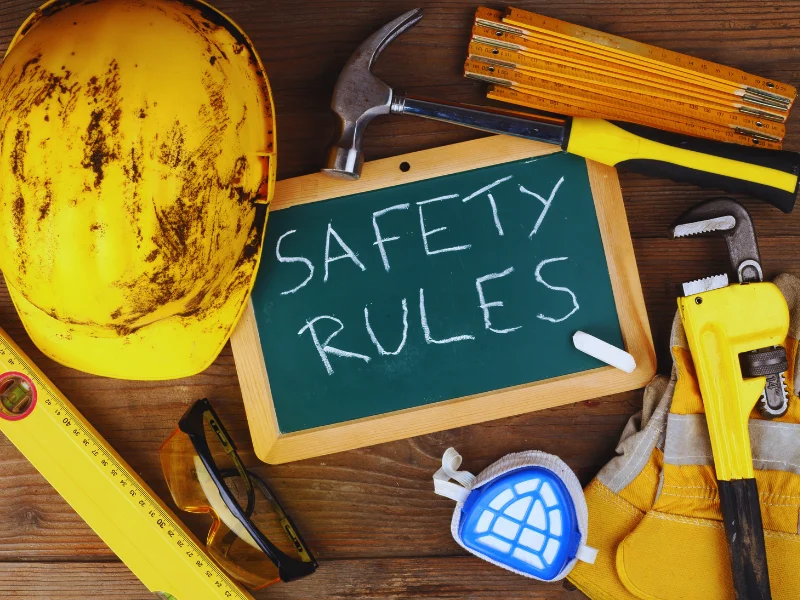
Personal protective equipment (PPE) is a key part of excavation and trenching safety.
Proper PPE can protect workers from a variety of hazards, including falls, heatstroke, and exposure to dangerous substances.
OSHA states that PPE is critical on construction sites, and failure to use it properly can result in serious injuries.
Our team at Eagle Rock Excavating have seen firsthand how essential PPE is, especially when working in the Tucson heat.
Workers should be equipped with hard hats, gloves, reflective vests, eye protection, and hearing protection as necessary.
Additionally, for extreme heat conditions, it’s important to wear breathable clothing and stay hydrated.
In the case of a trench collapse, using PPE such as harnesses and fall protection equipment can prevent injuries.
Testing and Revising Your Emergency Action Plan
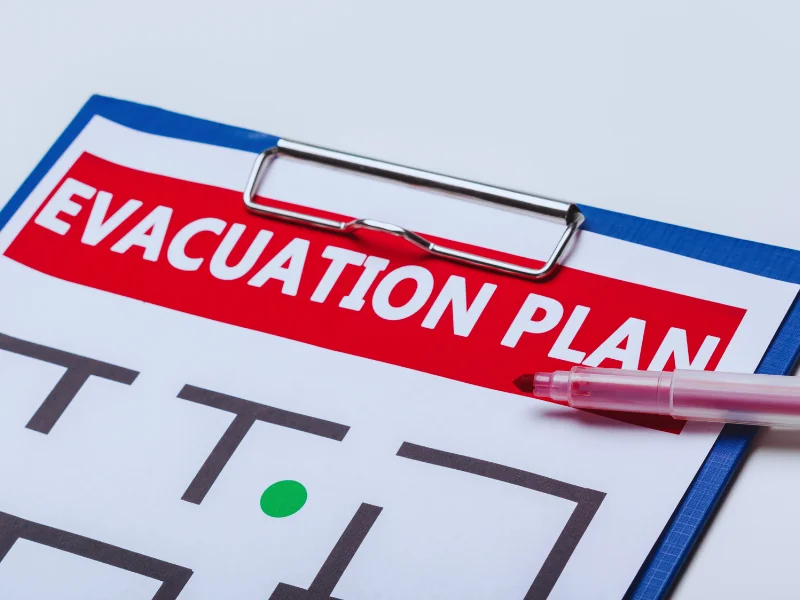 Once your EAP n is in place, it’s important to test it regularly to make sure it works.
Run drills with your team to practice evacuations and other emergency procedures.
It’s important to update the plan when conditions change.
This includes adding new hazards or changing procedures based on lessons learned from past incidents.
An EAP should never be static; it should evolve to meet the needs of the site and the safety of your team.
Build Safely with Eagle Rock Excavating
Creating an emergency action plan (EAP) for excavation and construction sites is crucial for protecting everyone on your team.
In Tucson and surrounding areas, where extreme heat and uneven terrain are common, it’s even more important to have a plan that fits the local conditions.
Be worry free with Eagle Rock Excavation’s safe, reliable excavation and construction services.
Our team works with the highest safety standards in the industry to keep your project secure.
If you’re looking for a trusted construction partner who values safety, we’re here to help.
Reach out now and let us take care of your excavation needs today.


