
 If you’ve ever walked barefoot on the pavement in Arizona during summer, you know how intense the heat can get.
Now, imagine what that same heat does to asphalt day after day, year after year.
The extreme temperatures, combined with strong UV rays and sudden monsoon rains, take a serious toll on asphalt surfaces.
The heat causes asphalt to soften and expand, while rapid cooling at night makes it contract.
This constant movement leads to cracks, warping, and other structural issues.
Without regular upkeep, asphalt deteriorates quickly, resulting in costly repairs or complete replacement.
The Challenges of Maintaining Asphalt in Arizona
The Importance of Proactive Maintenance
Many people assume that once asphalt is laid, it’s good for years without any care.
Unfortunately, that’s not the case, especially in a climate like Arizona’s. Asphalt needs ongoing maintenance to stay strong and durable.
Regular inspections, crack sealing, seal coating, and proper drainage are all important factors in keeping asphalt in top condition.
When maintenance is done correctly and on time, it can add years to the lifespan of your pavement to save you a ton of money in the long run.
Why Heat and UV Rays Damage Asphalt
How Heat Breaks Down Asphalt
Arizona’s high temperatures cause asphalt to soften, making it more vulnerable to wear and tear.
When vehicles drive over softened asphalt, it can lead to ruts and depressions, especially in high-traffic areas. Over time, the weakened surface can’t support the weight of vehicles as effectively, leading to more significant damage that requires expensive repairs.
The Effect of UV Rays on Asphalt
The sun heats and breaks down asphalt chemically.
UV radiation causes asphalt to lose its natural oils, making it dry and brittle.
This process, known as oxidation, weakens the surface and makes it more prone to cracking.
Once cracks form, water and debris seep in, worsening the damage.
According to the Case Studies in Construction Materials, asphalt exposed to high levels of UV radiation deteriorates significantly faster than asphalt in shaded or cooler environments.
Applying a protective seal coat can slow down this damage and keep asphalt looking and performing better for longer.
The Importance of Regular Seal Coating

What Seal Coating Does
Seal coating is one of the most effective ways to protect asphalt from Arizona’s harsh conditions.
It acts as a barrier, preventing UV rays, water, and chemicals from penetrating the surface.
This thin protective layer also restores some of the lost oils, helping asphalt maintain its flexibility and strength.
How Often Should You Seal Coat?
The Asphalt Institute recommends applying a seal coat every two to three years in areas with extreme temperatures.
In Arizona, where the sun is relentless, many property owners find that sealing asphalt every two years provides the best protection.
Businesses and homeowners in Tucson searching for asphalt maintenance should make seal coating a priority to keep their pavement from drying out and cracking.
Signs That Your Asphalt Needs a Seal Coat
Not sure when to schedule your next seal coat? Here are a few signs that your asphalt needs attention:
- The surface looks faded or gray instead of deep black.
- Small cracks are starting to form.
- Water no longer beads on the surface but instead soaks in.
- The asphalt feels rough and brittle instead of smooth.
If you notice any of these issues, it’s time to schedule a seal coating service to prevent further damage.
Proper Crack Sealing to Prevent Damage
Why Cracks Are a Big Problem
Small cracks in asphalt might not seem like a big deal, but they can quickly turn into major issues.
When cracks are left untreated, they allow water to seep into the pavement, reaching the base layer underneath.
This weakens the foundation, making the surface more susceptible to potholes, shifting, and complete failure over time.
The Best Time to Seal Cracks
The Federal Highway Administration states that sealing cracks in asphalt can extend its lifespan by up to 4 years.
The best time to seal cracks is before Arizona’s monsoon season, as heavy rain can worsen the damage if water gets inside.
Contractors specializing in Arizona paving and maintenance recommend inspecting asphalt in late spring or early summer to address cracks before storms roll in.
Choosing the Right Crack Sealant
Not all crack sealants are created equal. Some are designed for small hairline cracks, while others are better suited for wider gaps.
A professional paving contractor can determine the best product for your specific needs, ensuring long-lasting results.
Choosing the Right Asphalt Mix for Arizona’s Climate
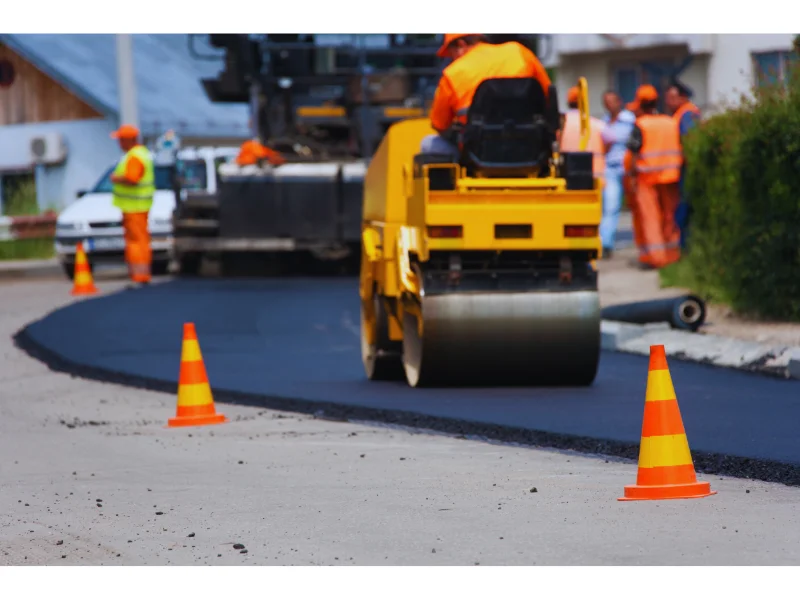
Why the Type of Asphalt Matters
Many people don’t realize that different types of asphalt are used in various climates.
A mix that works well in a cooler region might not hold up in Arizona’s heat.
The wrong type of asphalt could lead to premature cracking and softening.
The Best Asphalt Mix for Hot Weather
Polymer-modified asphalt exhibits a stronger structure for high-temperature regions.
This type of asphalt is designed to resist softening, reducing the risk of deformation during the summer months.
When installing new pavement, it’s essential to work with a contractor experienced in Arizona paving and maintenance to select the right materials for long-term performance.
Maintaining Proper Drainage to Prevent Erosion
Why Standing Water is a Threat
While Arizona is known for its dry climate, the monsoon season brings sudden and heavy rains.
If asphalt doesn’t have proper drainage, water can pool on the surface or seep into cracks, weakening the base and leading to significant damage.
How to Improve Drainage
To prevent water damage, it’s important to:
- Install sloped surfaces that direct water away from asphalt.
- Keep storm drains and gutters clear of debris.
- Repair drainage issues as soon as they arise.
Studies from Transportation Geotechnics show that proper drainage design can significantly extend the lifespan of paved surfaces.
The Role of Routine Inspections and Preventative Maintenance
 The Benefits of Regular Inspections
Catching minor problems early prevents costly repairs later.
Professionals in asphalt maintenance Tucson recommend scheduling inspections at least twice a year.
These assessments help identify cracks, soft spots, and drainage problems before they worsen.
Additional Maintenance Steps
Regular maintenance should also include:
- Patching small potholes before they grow larger.
- Repainting faded traffic markings to improve safety.
- Clearing away debris, oil, and chemicals that can weaken asphalt over time.
Protect Your Investment with Professional Asphalt Services at Eagle Rock Excavating
Arizona’s harsh climate is tough on asphalt, but with the right maintenance, you can keep your pavement in top condition for years.
Regular seal coating, crack sealing, proper drainage, and using the right asphalt mix all play a role in extending pavement life.
Scheduling routine inspections and performing repairs at the right time will help you avoid costly replacements.
For professional asphalt maintenance Tucson, Eagle Rock Excavating provides reliable asphalt services to withstand Arizona’s extreme heat.
With over 70 years of combined industry experience, our team at Eagle Rock Excavating understands the challenges of maintaining asphalt in extreme conditions.
We specialize in excavation, paving, seal coating, and drainage solutions, and make sure that every project meets the highest standards.
Contact us today for a free estimate and professional advice on keeping your asphalt in peak condition.


