
If you want to cut paving costs and shrink the carbon footprint of your projects, reclaimed asphalt pavement has real, proven value you should know about.
Reclaimed asphalt pavement, often called RAP, is material milled from existing pavement and reused in new mixes.
Across the United States the use of recycled asphalt pavement has grown steadily as agencies and owners seek lower material costs and fewer greenhouse gas emissions.
The Federal Highway Administration supports recycled materials in pavement work, and industry surveys show the average RAP content in mixes has risen in recent years.
Our team at Eagle Rock Excavating can walk you through what RAP is, how recycled asphalt paving works in dry climates like Arizona, and how you should write specs so contractors and plants deliver reliable results.
What Is Reclaimed Asphalt Pavement RAP?
Reclaimed asphalt pavement (RAP) is material removed from existing asphalt surfaces during milling or full-depth removal.
RAP contains both aggregate and aged asphalt binder.
When a plant combines RAP with new aggregates and fresh binder, the result can be a hot mix with fewer new materials and lower production energy.
FHWA has long promoted pavement recycling as a standard practice for sustainable pavement work.
Why Owners Should Care About RAP
You pay for materials, hauling, hauling back, and disposal.
Using RAP reduces demand for new aggregate and virgin binder, which lowers material purchases and reduces hauling needs.
That often shrinks both cost and greenhouse gas emissions tied to pavement production.
In many regions recycled asphalt pavement is a routine part of the mix design rather than an exception.
Recent surveys show RAP use has increased across the industry.
How Much RAP Is Safe to Use for Arizona Roads?
There is no single number that fits every project.
Appropriate RAP percentage depends on the source material, plant processes, performance expectations, and climate.
In the U.S. the average RAP content reported an increase from roughly 16 percent in 2009 to just over 22 percent in 2022, with some projects using higher rates after validation testing.
That trend shows widespread adoption, but each project needs lab verification before high RAP content goes into a structural layer.
For Arizona, plan on validating performance under local conditions; heat, low humidity, and aging trends affect binder behavior.
Typical Ranges Owners See on Contracts
- Low-RAP mixes (up to 10–20 percent) are commonly accepted with little special testing.
- Mid-RAP mixes (20–40 percent) usually need plant controls and lab verification.
- High-RAP mixes (over 40 percent) require strong QA and often use rejuvenators or warm-mix practices.
Cost and Carbon Savings with Recycled Asphalt Paving
Using recycled asphalt pavement can reduce material costs and cut greenhouse gas emissions tied to new material production.
Industry analyses estimate RAP use saved several million tons of aggregate and produced measurable CO₂e reductions in recent years.
For instance, industry reporting tied national RAP reuse to multi-million metric ton reductions in CO₂e when aggregated across projects.
Those savings come from lower fuel use at the plant, reduced hauling, and less new binder demand. asphaltpavement.org+1
How Savings Appear in Project Budgets
- Material line item – Less virgin aggregate and binder lowers direct material cost.
- Hauling line item – Shorter hauling distances and less waste reduce transport costs.
- Disposal costs – Milling and reusing on site cuts disposal fees.
- Energy and emissions – Warm-mix methods and RAP reduce plant fuel use, which lowers CO₂e footprints.
Mix Design and Quality Control for Recycled Asphalt Pavement
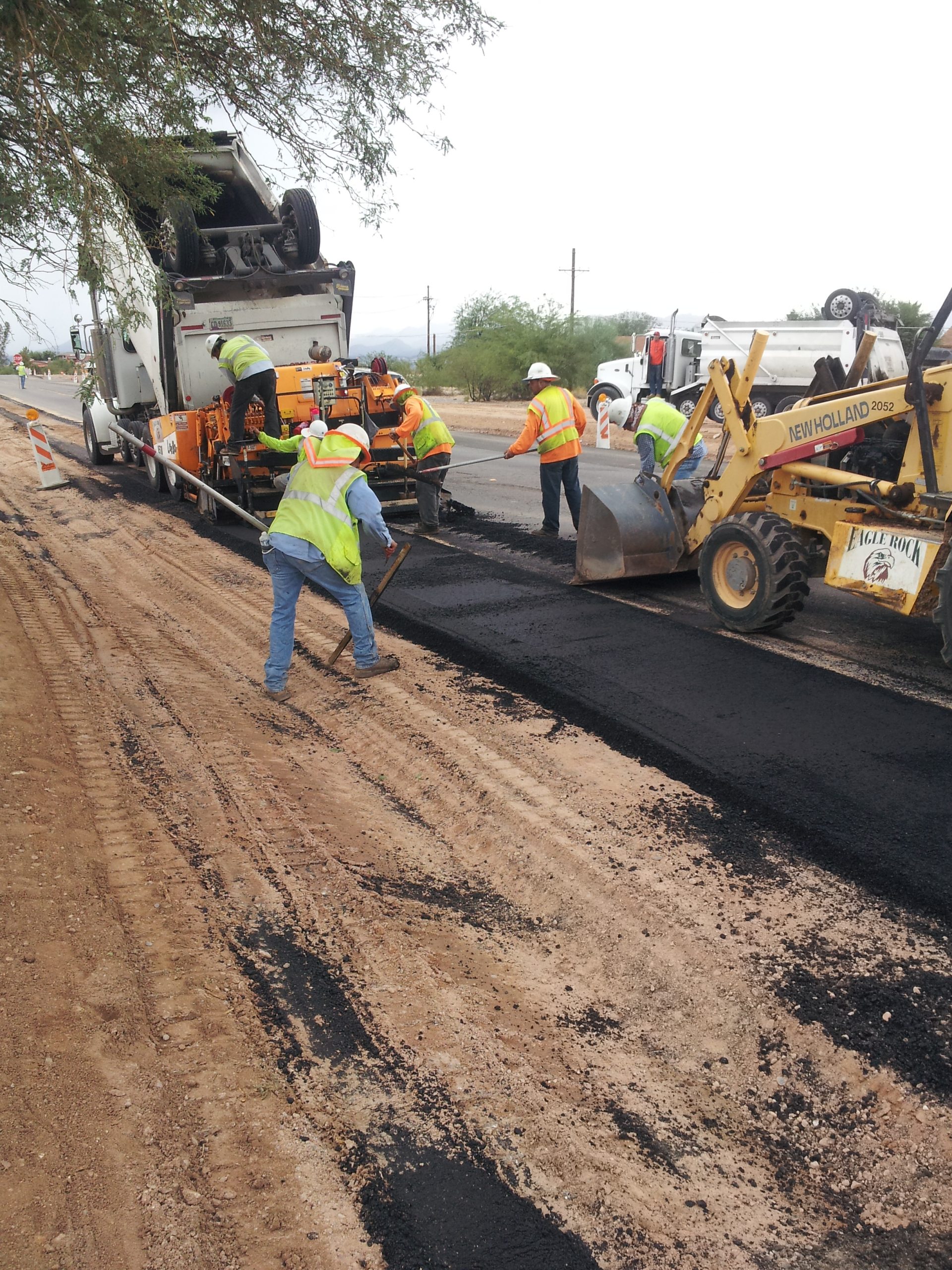
Getting RAP to perform takes testing and a clear QA program.
Owners should specify performance goals and require plants to show test results that match those goals.
Key Mix Items to Require in Specs
- Source verification – Require the plant to list RAP sources and provide recent sampling results.
- Gradation and binder content – Ask for RAP gradation and binder tests so the designer can model final mix behavior.
- Performance tests – Require tests that measure stiffness, fatigue resistance, and cracking potential under expected traffic.
- Limits On Contaminants – Reject RAP with excessive dirt, organic material, or other contaminants.
Lab Approval and Pilot Mixes
For mid- or high-RAP mixes, require a pilot batch and lab verification before approving production.
That small step reduces risk and gives you documented performance evidence.
Performance Considerations for Arizona Climates
Arizona’s hot, dry summers accelerate asphalt aging.
Higher temperatures speed oxidative hardening of binder.
When you plan recycled asphalt paving here, take these points into account:
- Binder Aging – Old binder in RAP can be hard and brittle. A lab should test for penetration or viscosity to confirm suitability.
- Rejuvenators – These additives restore flexibility to aged binder. They can allow higher RAP content but need testing to confirm compatibility.
- Warm-Mix Asphalt – Lower production temperatures reduce aging and improve compaction. WMA also helps incorporate higher RAP levels while limiting additional aging during production. FHWA and industry guidance support WMA as a partner technology with RAP.
When Recycled Asphalt Paving Is Not a Good Fit
RAP is not right in every case.
In some cases, you can still use RAP in lower layers or base material where performance risk is lower.
Consider alternatives if any of these apply:
- Unknown or contaminated stockpiles – If you cannot confirm RAP source or quality, do not accept it.
- Critical surface courses subject to reflective cracking or heavy loading without verified performance data.
- Projects with long warranty expectations where local plants lack RAP experience or testing capability.
How Eagle Rock Excavating Helps with RAP Projects
Eagle Rock Excavating provides the civil work and field controls that let RAP mixes perform.
On a typical RAP project our role covers:
- Site prep and subgrade work to provide a uniform base for paving.
- Coordination with plants on hauling windows and stockpile management.
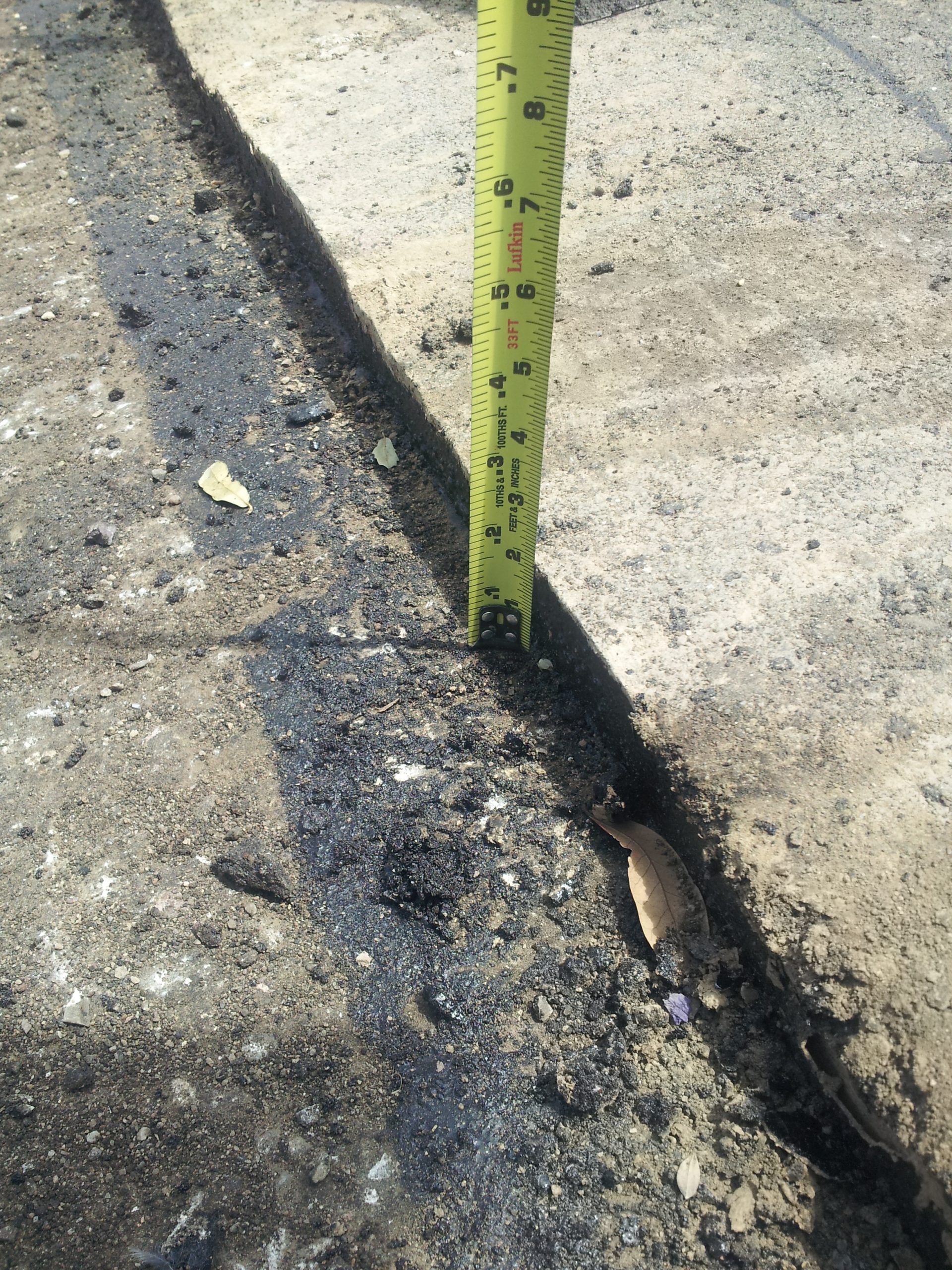
- Field compaction and density testing to meet the contract acceptance criteria.
- Restoration and traffic control after paving operations.
Eagle Rock Excavating handles site prep, compaction, and field acceptance.
We coordinate closely with suppliers and labs so the delivered mix meets performance goals.
Measuring Carbon Savings and Reporting Results
If you want to report reductions in greenhouse gas emissions, do this with care.
Use accepted emission factors and document what parts of the process changed: less virgin material, lower plant fuel use, or fewer truck miles.
EPA and FHWA resources on emission factors and sustainable pavement practices can guide reporting.
Be clear about what was measured and what was estimated.
FAQ Section for Owners and Engineers
Will RAP Reduce My Paving Cost?
Often it lowers material cost, hauling, and disposal fees, but results depend on local plant pricing and hauling distances.
Can I Specify a Fixed RAP Percent in the Contract?
You can, but performance-based specs that allow the plant to meet targets often give better results.
If you request a fixed percent, require lab validation.
Are There Special Tests for RAP Mixes?
Yes. Require binder and gradation tests, and performance tests that match your traffic needs.
How Do I Know the RAP Is Clean?
Ask for stockpile management records and recent lab results that show low dirt and contaminant levels.
Reduce Carbon Emissions with RAP and Eagle Rock
Recycled asphalt pavement is a practical tool for reducing material costs and reducing greenhouse gas emissions in paving work when used with solid testing and QA.
Remember to use performance specs, require pilot mixes for higher percentages, and ask plants for recent RAP test data to keep risk low.
Eagle Rock Excavating helps owners with site prep, compaction, and field acceptance so recycled asphalt paving meets your performance targets and your sustainability goals.
If you want to explore whether reclaimed asphalt pavement fits a specific project, contact us to schedule a site assessment and discuss how we can protect your budget and schedule.


