
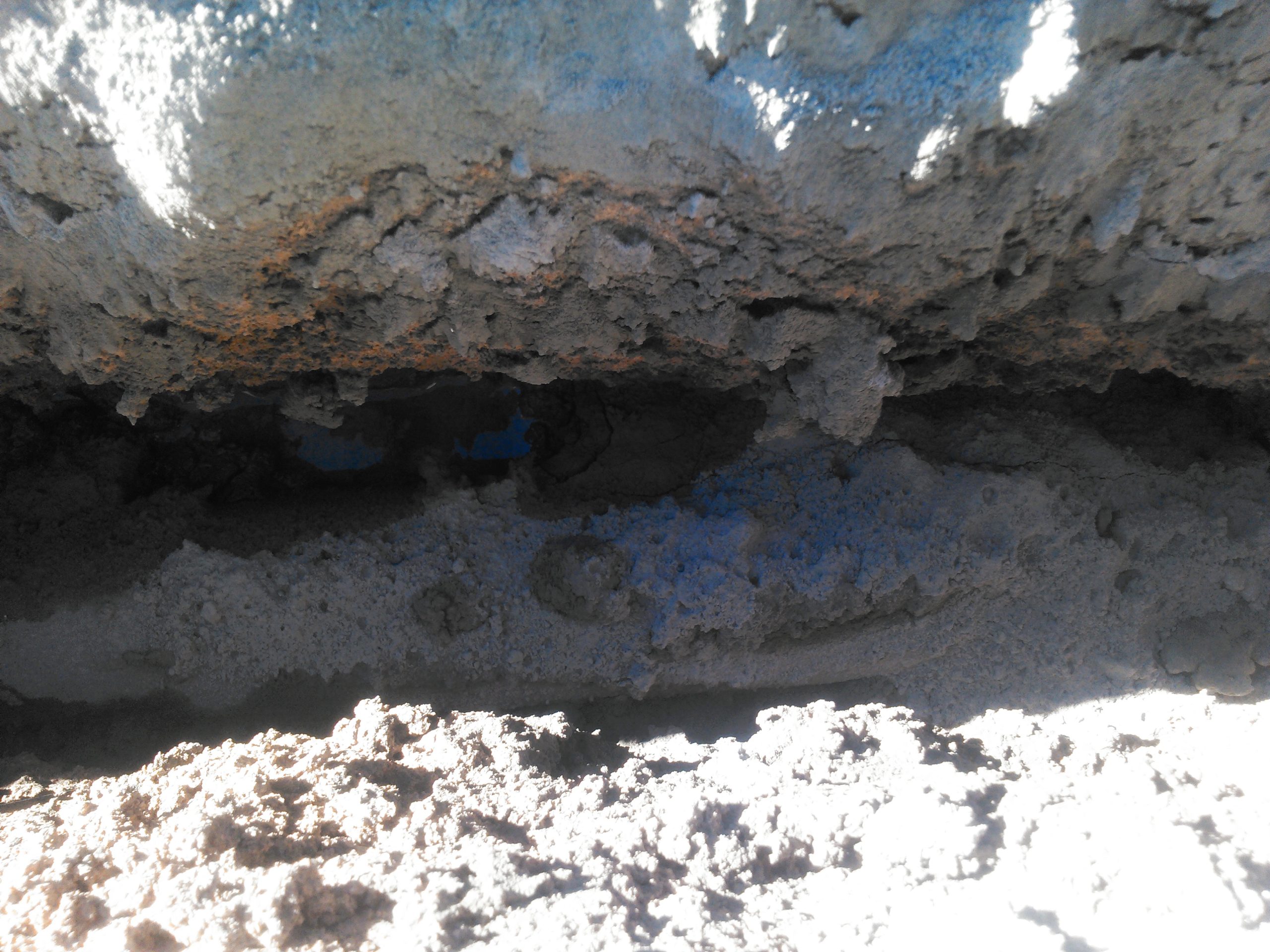
When rainwater collects near your home or building, it can slowly eat away at the ground beneath.
In Arizona, where soils range from expansive clay to loose silt and monsoon storms drop heavy rain in a short time, that water can become a serious threat.
Poor grading and blocked drainage often lead to soil erosion under foundation areas, uneven settlement, and even sudden ground collapse in certain regions.
Over time, these issues can cause cracking, tilting, and costly foundation shifting repair work that could have been prevented with proper site grading.
Here at Eagle Rock Excavating, we help Arizona homeowners, builders, and property managers assess slope, drainage, and soil conditions before they become major problems.
Our process supports long-lasting structures that hold up with the state’s weather and soil conditions, to give you confidence in your foundation’s strength and documentation for future inspections.
Why Grading Matters For Foundations And Soil Stability
Grading is the shaping of the site surface so water flows where you want it to go.
When the ground slopes toward a foundation, runoff and irrigation water can collect near footings.
That extra moisture changes soil behavior:
Expansive Clay Soils Can Cause Foundation Shifting and Cracks
In Arizona’s expansive clay soils, moisture changes can cause the ground to expand when wet and contract when dry.
This constant swelling and shrinking creates stress that can crack walls, damage flooring, and shift slabs unevenly.
The United Nations Office for Disaster Risk Reduction identifies shrink–swell soils as one of the main reasons for foundation movement across the state.
When the soil moves, your foundation moves with it, and that often means paying for costly foundation shifting repair.
Grading that directs water away from these sensitive soils helps reduce the cycles of expansion and contraction that put your structure at risk.
Poorly Compacted Fills Increase the Risk of Soil Erosion Under Foundation
Loose or poorly compacted soils can lose strength when water flows through them.
Over time, fine particles wash away, leaving small gaps or voids beneath your foundation or pavement.
This hidden erosion weakens the support under the structure and can lead to uneven settlement or cracking.
The U.S. Geological Survey explains that soil loss and reduced support are common triggers for localized ground collapse and subsidence.
Karst Terrain and Soluble Rock Can Lead to Sinkholes
In some Arizona locations, especially areas with limestone or evaporite deposits, groundwater movement can dissolve the underlying rock and form underground voids, which is a sinkhole.
When additional water from poor grading seeps through these zones, it can speed up this natural process.
However, karst sinkholes are primarily a result of local geology rather than surface grading alone.
If your property sits near mapped karst or subsidence-prone zones, a licensed geotechnical or geological study is the safest next step.
While grading helps manage runoff, it cannot remove the geological risk itself.
FEMA and local agencies stress that routing water away from foundations remains one of the most reliable ways to prevent foundation damage and costly water damage foundation repair.
Arizona Soil Types And How They Change Grading Needs
 Arizona soils vary by region, and each type behaves differently when wet:
- Expansive clay soils — These soils swell when wet and shrink when dry, often causing foundation movement or cracking. The Arizona Geological Survey notes that shrink–swell soils are widespread across Arizona.
- Collapsible soils — Dry, loose soils can compact suddenly when wet, leading to settlement beneath structures. The USDA NRCS explains that moisture changes are a major factor in this behavior.
- Karst and evaporite zones — Areas with soluble rock, such as limestone or gypsum, can develop sinkholes as water dissolves the material. The U.S. Geological Survey and Arizona Geological Survey map these zones for planning and construction.
Because soil behavior is local, a geotechnical review before major construction is the most reliable way to pick the right grading and foundation approach.
The geotechnical report identifies the types of soil for building foundation and recommends foundation types suited to those soils.
How Arizona Weather Raises The Stakes For Grading
Arizona’s climate is mostly dry, but when the North American monsoon arrives, short bursts of heavy rain can cause fast runoff and local flooding.
These downpours put stress on grading and drainage systems around buildings.
According to the National Weather Service, monsoon intensity and rainfall vary each year, which means some sites may face much more water than expected.
In wet seasons, even well-graded lots can be tested, while in dry periods, compacted soil can suddenly erode when rain finally comes.
Because these storms are brief but powerful, water can quickly wash away soil near footings or under pavements, leading to soil erosion under foundation and costly repairs.
Proper grading helps move water safely away from buildings, lowering the chance of erosion and structural damage.
Arizona Local Codes And The 6-Inch Rule Explained
Many Arizona-area building departments require a slope of at least 6 inches over the first 10 feet from the foundation.
This equals about a 5% grade, which helps move water away from the building.
If the slope is not possible, the code usually calls for engineered alternatives, like swales or subsurface drains.
Local rules and enforcement can vary, so check your city or county requirements.
Following this guideline lowers the risk of wet soil near the foundation and helps prevent foundation shifting repair.
Measuring and confirming the slope around your property can avoid repeated water issues.
What Poor Grading Looks Like: Early Warning Signs
If you want to catch problems before they get expensive, look for these signs:
- Water standing or flowing toward the foundation after rain.
- New or widening cracks in interior or exterior walls, especially near corners.
- Doors or windows that stick or gaps that appear at door frames.
- Small depressions or washouts near driveways, stairs, or patio edges after storms.
- Exposed footing or undermined slab edges where soil has washed away.
None of these signs proves a sinkhole is forming, but they do show water is moving in ways that can remove supporting soil or increase shrink–swell action.
Document what you see and act early; addressing grading and drainage issues is almost always less costly than foundation repair after settlement or collapse.
How Proper Grading Lowers Foundation Repair Costs
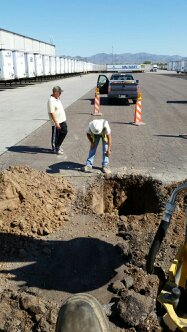 Proper grading and drainage are key to reducing foundation risks and avoiding costly foundation work.
Eagle Rock Excavating helps homeowners and commercial property owners in Arizona manage water flow and soil stability to protect structures and limit issues like soil erosion under foundation.
Our services focus on practical, proven measures that direct water safely away from buildings, including:
Lot Grading And Regrading
Slopes are adjusted to meet local fall rules.
In Phoenix and Maricopa County, this usually means a 6-inch drop within the first 10 feet from the foundation.
This prevents water from pooling near structures and lowers the risk of foundation shifting repair.
Drainage Routing
Downspouts, French drains, and swales direct runoff away from foundations.
Water exposure is limited and soil around the building stays more stable.
Erosion Control Measures
Riprap is placed on slopes, and temporary silt fences are installed during construction.
These measures stop surface soil from washing away during Arizona’s seasonal rains.
Geotechnical Coordination And Documentation
Soil and compaction test reports are reviewed and recorded.
Records are available for inspections, permits, or future resale and confirm that grading and drainage were completed correctly.
With this approach, property owners have clear, documented evidence that water management steps were taken to protect foundations, while reducing risks associated with soil erosion and settlement.
Our crew combines hands-on grading experience with careful adherence to local codes, to give you the confidence that your sites are prepared for both new construction and ongoing protection.
When To Call A Geotechnical Professional
Call for a geotechnical or geologic evaluation when:
- Your property sits near mapped sinkholes or karst features.
- You observe sudden or large depressions after storms.
- Structural cracks are growing or floors are noticeably uneven.
- You plan a major build that requires a foundation type decision (shallow footings, pier and beam, or deep foundations).
A geotechnical report will identify the types of soil for building foundation on your lot, recommend a foundation type, and often suggest grading and drainage details to reduce moisture effects.
That guidance reduces uncertainty and helps avoid inappropriate repairs later.
Keep Your Building Safe From Soil Erosion Under Foundation
Poor grading does not automatically create sinkholes, but it does increase the chance that water will undermine soils and damage foundations.
Eagle Rock Excavating helps property owners with grading, drainage, erosion control, and coordination with geotechnical testing so you have a clear, documented plan to protect your building and minimize foundation work cost.
Contact our crew today for further inquiries.


