
 Tucson’s monsoon season, which stretches from mid-June through September, can seriously disrupt commercial construction schedules.
Heavy rains arrive quickly and unpredictably, turning job sites into safety hazards and halting progress with little warning.
For project managers and contractors, even a short downpour can damage materials, flood trenches, or wash away critical prep work.
Eagle Rock Excavating partners with contractors, business owners, and site managers across Arizona for reliable drainage and site support before the monsoon season begins.
We help protect your site, limit flood risks, and stay on schedule during Tucson’s stormiest months.
Grading Yard Away From House or Building Matters
Sloped Ground Helps Water Flow in the Right Direction
When it comes to flood prevention, gravity works in your favor.
One of the simplest and most effective ways to keep water from pooling around buildings is proper grading.
That means shaping the ground so water runs away from the foundation, not toward it.
May it be a retail strip, warehouse, or office lot, even a slight slope can make a huge difference.
Grading yard away from house structures is something many overlook until flooding becomes a problem.
The general rule is to slope permeable surfaces away from the building at a rate of at least 0.5 inch per foot for the first 10 feet.
This keeps water from sitting near footings or leaking into basements and utility areas.
When Is the Best Time to Regrade Yard Around Structures?
In Arizona, the best time to regrade yard areas is before the monsoon season begins, typically between February and early May.
The soil is more workable and dry, allowing machinery to move more efficiently and soil to stay compacted.
Waiting too long can leave your site exposed when heavy rains arrive.
Eagle Rock Excavating knows how poor planning in this area can lead to expensive problems.
Slopes that channel water the wrong way or collect debris only compound drainage issues.
Early planning avoids those pitfalls.
Foundation Drainage Systems That Handle Tucson Monsoon Rains
Why Drainage Systems Near Foundations Are Crucial
Monsoon rain doesn’t always show up as a light drizzle.
In many cases, it dumps multiple inches of water in a short amount of time.
Without the right drainage around your structure’s foundation, that water can seep in or cause soil movement that damages support walls.
In commercial properties, this leads to repairs, safety concerns, and sometimes permitting issues.
A solid foundation drainage system redirects that water to safer areas.
This often includes a mix of surface drains, underground piping, catch basins, and scuppers, depending on the layout of the lot and building.
The goal is to control how and where water travels after it lands.
Types of Drainage That Work Well in Arizona’s Soil
Tucson soils range from sandy loam to compact clay, which don’t all absorb water the same way.
That’s why drainage systems must be built with the local terrain in mind.
French drains, trench drains, and dry wells are all common in commercial setups.
Our services at Eagle Rock Excavating consist of installing and maintaining these foundation drainage systems to prevent pooling or erosion.
Proper design depends on knowing how the land responds to sudden rainfall, especially in monsoon-prone areas.
Installing a Dry Riverbed for Functional and Visual Value
What a Dry Riverbed Does on Commercial Properties
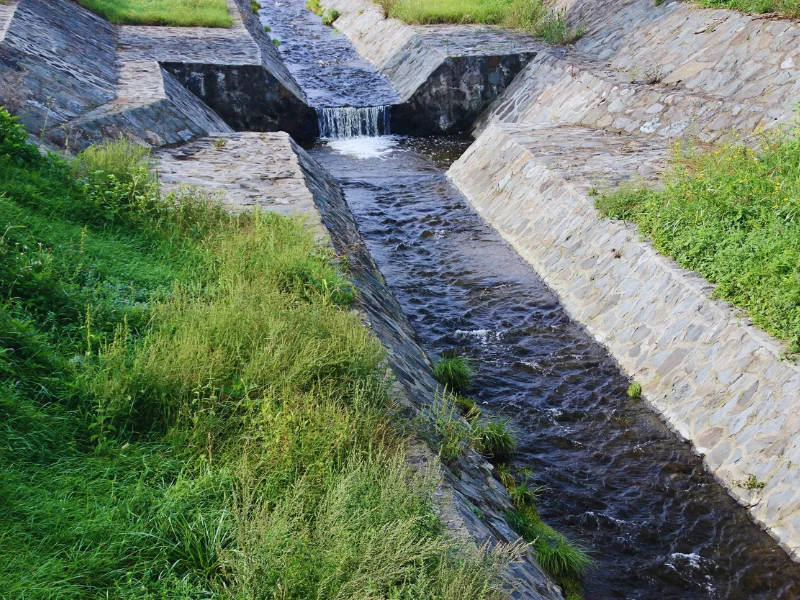
A dry riverbed is a smart way to guide stormwater across a lot without damaging walkways or parking areas.
These shallow channels are often filled with rocks or gravel and follow a natural slope that encourages runoff to flow gently through instead of pooling.
In Tucson, dry riverbeds have become popular for commercial lots because they look clean and perform well during storms.
They’re also a low-maintenance addition that blends well with xeriscaping, another common feature in Arizona designs.
How Eagle Rock Excavating Helps With Dry Riverbed Planning
We work with affiliate companies that provide landscaping and structural planning services.
That allows us to make sure dry riverbeds fit into the overall storm drainage and excavation plans.
How Porous Pavers Help With Tucson Monsoon Water Flow
 Benefits of Using Porous Materials on Commercial Lots
Porous pavers help reduce surface runoff by letting water seep through gaps into a gravel base layer below.
Instead of sending all the stormwater to drains, they allow some of it to filter back into the soil, lowering the volume that drainage systems need to handle.
In parking lots or walkways, this method is especially useful during heavy rains.
It can reduce pooling, limit erosion, and improve safety during storms.
Porous pavers also meet many local guidelines for sustainable water use and runoff control.
Where Porous Pavers Work Best
These materials work well in parking stalls, access paths, and areas where traditional paving would cause water to collect.
Eagle Rock Excavating coordinates with your paving contractor to integrate porous pavers into the site plan.
When done correctly, they balance utility and water control effectively.
Permitting and Inspections Before Monsoon Preparation
Why Permits Matter in Flood Control Projects
Before any grading, drainage, or paving takes place, projects often require city permits, especially in flood-prone areas of Tucson.
Permits help verify that drainage plans meet local codes, which is important when dealing with runoff during the Tucson monsoon.
Getting a permit approved can take weeks if not months, depending on the scope of work.
That’s why it’s smart to handle paperwork early and have a crew that knows how to work with the system.
How Eagle Rock Excavating Helps With Site Preparation
We provide full project support including help with permitting and inspections.
Our in-house staff works with local officials to make sure everything lines up with Tucson’s requirements.
This preparation keeps your timeline in good shape and helps avoid late-stage complications.
Site Planning for Monsoon Season Starts With the Ground
 Coordinating Utilities and Drainage Together
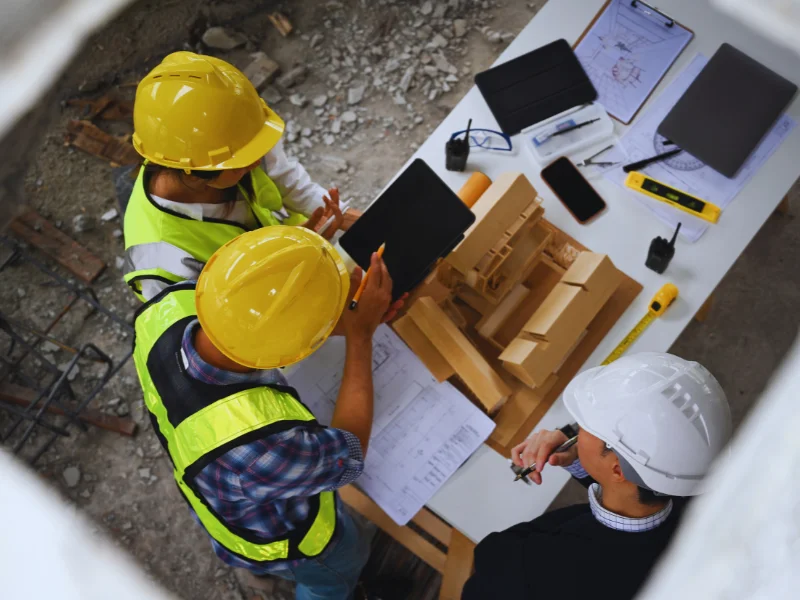
Underground utilities can complicate how drainage is installed.
That’s why drainage and utility layout should be coordinated together, not separately.
Storm drains, sewer lines, and electrical conduits need to coexist safely, especially on tight job sites.
We manage both excavation and underground utility installation at Eagle Rock Excavating, which helps projects move more efficiently.
We know how to build with future rainfall in mind, using layouts that won’t flood or fail under pressure.
Inspection and Maintenance for Monsoon Readiness
Site prep doesn’t end after installation.
It’s important to inspect drainage systems and recheck grading before the rainy season starts.
Blocked drains, loose soil, or minor slope changes can undo all your planning.
Simple seasonal maintenance like clearing debris, checking flow paths, and verifying slope angles can protect your project from unexpected costs.
Plan With Eagle Rock Excavating Now To Save Trouble Later
Tucson’s monsoon season proves a test of how well your site is planned.
Without smart drainage, grading, and coordination, stormwater can stall progress, damage property, and drain resources quickly.
Business owners and contractors working in Southern Arizona need real solutions that work with the land and not against it.
From dry riverbeds to foundation drainage systems, it’s all about getting water to move where it’s supposed to go.
Eagle Rock Excavating offers storm drainage installation, underground utility work, and permitting support to help your commercial site stay dry and functional during the worst of the weather.
Contact us to learn how we can help you prep your project for proper drainage needs.


