
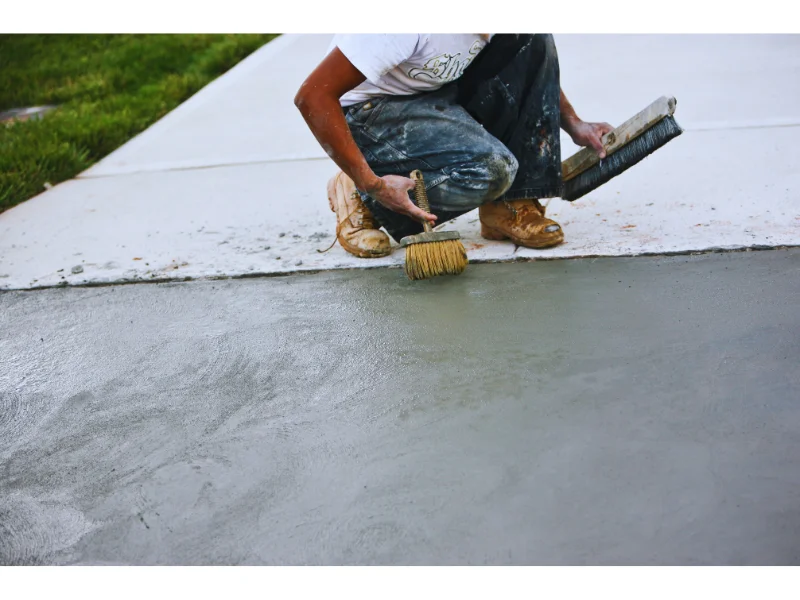
Concrete paving is a popular choice for driveways, sidewalks, patios, and even roads because of its durability and strength.
With the right care, it can last for many years.
However, like anything, it needs attention and maintenance to stay in good shape.
What Is Concrete Paving?
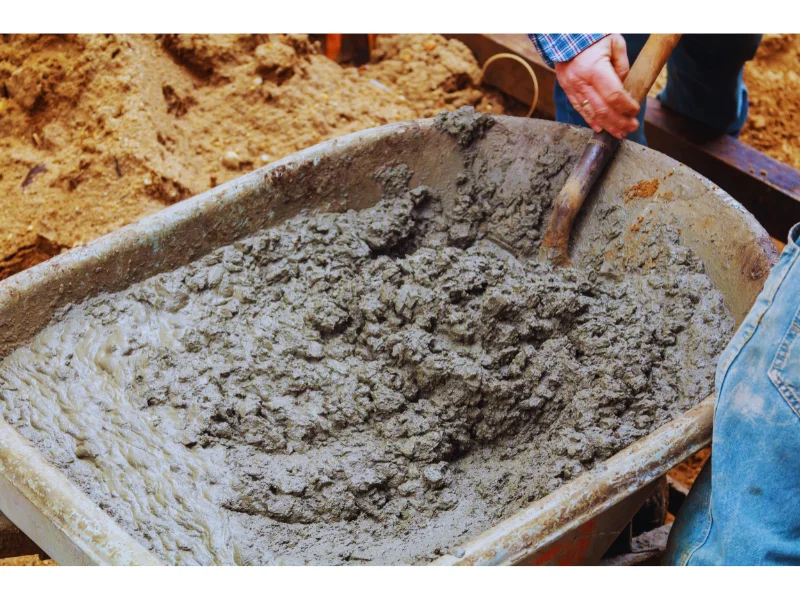
Concrete paving involves laying down a mixture of cement, water, sand, and gravel to create smooth, solid surfaces.
This technique is widely used in constructing roads, driveways, sidewalks, and patios.
The flexibility of concrete allows it to be shaped according to the specific needs of a project, making it a versatile option for both functional and decorative outdoor spaces.
Benefits of Concrete Paving
Low Maintenance Needs
Maintaining concrete surfaces is relatively straightforward.
Unlike other paving materials, concrete doesn’t demand frequent attention.
It stands up well against most weather conditions and regular wear and tear.
The maintenance routine involves simple cleaning and occasional sealing to prevent surface damage.
Carrying out these basic tasks helps keep your concrete pavement looking clean and well-maintained for years to come.
Cost-Effective
While the upfront cost of concrete paving might scare some budget-conscious individuals away, its value over time is unbeatable.
Concrete’s durability means fewer repairs and replacements, and its low-maintenance nature saves money on upkeep.
Over the long term, investing in concrete paving means saving money.
Environmentally Friendly Options
The concrete industry has made strides in becoming more sustainable.
Permeable concrete, for example, allows water to pass through, reducing runoff and helping replenish groundwater.
Recycled concrete also lowers environmental impact by repurposing material that would otherwise end up in landfills.
Choosing environmentally friendly concrete options allows you to create a paved area that is more sustainable and kinder to the planet.
Design Versatility
Today’s concrete is not only for flat, gray slabs.
With the abundance of design choices, you can get creative with your paving.
Colored concrete can be blended to match a specific palette, and decorative techniques like stamping or stenciling can mimic the look of brick, stone, or tiles.
Whether you want a sleek, modern finish or a traditional cobblestone appearance, concrete can be tailored to your design wishes.
Safety Features
Safety is another significant advantage of concrete paving.
It offers better nighttime visibility compared to darker materials, reducing the risk of accidents.
Concrete also provides better traction, which is beneficial in wet or icy conditions.
These safety features are especially important in public spaces where pedestrians and vehicles are always present.
Reflective Properties
Concrete surfaces reflect light, reducing the need for street lighting and cutting down on electricity usage.
This is not only good for the environment but can also save money on energy bills for large areas like parking lots or public squares.
Increases Property Value
A well-executed concrete pavement can enhance the curb appeal of a property.
Its neat appearance and long-lasting nature can add substantial value, making it an attractive feature to potential buyers or tenants.
Resistance to Weather and Fire
Concrete can tolerate extreme weather without the need for frequent repairs.
Unlike asphalt, which can soften in high temperatures or erode with salt treatments during winter, concrete remains stable through hot summers and cold winters.
Additionally, concrete is fire-resistant, giving it an edge in areas where wildfires or other fire hazards are a concern.
Noise Reduction
Surfaces made of concrete can help with noise control.
Concrete absorbs sound better than many other materials, reducing traffic noise, which is a significant advantage for properties near busy roads.
Easy Repairs
Even when concrete does crack or become damaged, repairs can be straightforward.
Techniques like slabjacking or applying a concrete overlay can quickly fix issues, restoring the surface’s appearance and functionality without a complete overhaul.
Essential Maintenance Tips for Concrete Paving

Here are several easy but essential maintenance tips to keep your concrete paving in top shape.
Regular Cleaning
Keeping your concrete surface clean is the first step to maintaining its appearance and integrity.
Dirt, leaves, and other debris can stain or damage the concrete over time.
Use a broom to sweep away loose debris regularly.
For tougher stains or built-up grime, a pressure washer or a mild detergent and a stiff brush can do wonders.
However, it’s important to avoid using harsh chemicals that can erode the concrete surface.
Seal the Surface
Sealing concrete paving is like adding a protective coat that shields it from the elements.
A sealant can prevent water absorption, which is important since water can freeze and expand in cold weather, leading to cracks.
Sealants also protect against stains and UV damage, keeping the color of your concrete vibrant.
It’s advisable to apply a high-quality sealant every two to three years, depending on the level of foot or vehicle traffic and the weather conditions in your area.
Remove Stains Quickly
Spills should be cleaned up as soon as they happen to prevent stains from setting in.
Concrete is porous, meaning it can absorb liquids that can lead to stubborn stains.
Gentle cleaning agents are often enough for most spills, but for oil or grease, you might need a specialized cleaner.
Always test any cleaning solution on a small, inconspicuous area first to ensure it doesn’t damage the concrete.
Avoid Deicing Chemicals
In winter, it might be tempting to use deicing chemicals to quickly melt snow and ice.
However, these chemicals can be harsh on concrete surfaces, especially on newer concrete. Instead of chemical deicers, use sand for traction.
If you must use a deicer, choose one that’s labeled as safe for concrete and apply it sparingly.
Repair Cracks Promptly

Even with the best care, cracks can appear.
When they do, it’s essential to repair them promptly to prevent water from seeping in and making them worse.
Small cracks can often be filled with a concrete crack filler or sealant.
For larger cracks, you might need a more substantial repair.
Ignoring cracks not only affects the appearance of your paving but can also lead to more significant damage over time.
Control Weeds
Weeds growing through cracks not only look unsightly but can also cause further damage as they expand the cracks.
Use a safe, appropriate weed killer or pull them by hand regularly.
Sealing cracks and keeping your pavement in good repair will minimize weed issues.
Avoid Heavy Loads
Concrete is incredibly resilient, but repeatedly exposing it to heavy loads can cause damage.
Avoid parking heavy vehicles or equipment on your concrete paving for extended periods.
If your concrete area experiences frequent heavy loads, consider using a higher performance concrete mix when installing or repairing it to ensure longevity.
Use Mats and Rugs
For areas of frequent use, such as entrances and patios, placing mats or outdoor rugs can minimize wear and tear on the concrete.
These areas are more prone to surface damage from constant foot traffic or furniture.
Mats not only protect the surface but also add a decorative touch to your space.
Inspect Regularly
Regular inspection can catch small issues before they become big problems.
Look for signs of wear, like uneven surfaces, scratches, or fading, in addition to cracks.
Being proactive allows you to address minor concerns quickly and potentially avoid more extensive repairs in the future.
Choosing the Right Concrete Contractor
A successful concrete project begins with choosing the right contractor.
Look for someone with experience, good references, and comprehensive knowledge of both traditional and innovative concrete solutions.
A reputable contractor will help you navigate your options and ensure a finished product that meets your needs and preferences.
Final Thoughts
Concrete paving offers a combination of durability, versatility, and low maintenance that makes it an excellent choice for any outdoor space.
Understanding the basics of installation, engaging in regular maintenance, and exploring customization options ensures that you can enjoy a beautiful and long-lasting concrete surface.
Whether you’re looking to create a new patio, driveway, or walkway, concrete paving is a reliable and attractive solution that will serve you well for years to come.
At Eagle Rock Excavating, we combine nearly 70 years of industry expertise to deliver top-notch concrete paving that stands the test of time.
Ensure your project is in the hands of skilled professionals who prioritize quality, speed, and safety. Don’t just take our word for it—see the difference for yourself.
Head over to Eagle Rock Excavating to explore our full range of excavating and paving services tailored to your specific needs.
Start your project with a firm that digs quality as much as you do. Contact us today and let us help you lay the groundwork for a solid future.


