
Seal Coating Is Not a Repair: What It Does, What It Doesn’t, And When It’s Worth It
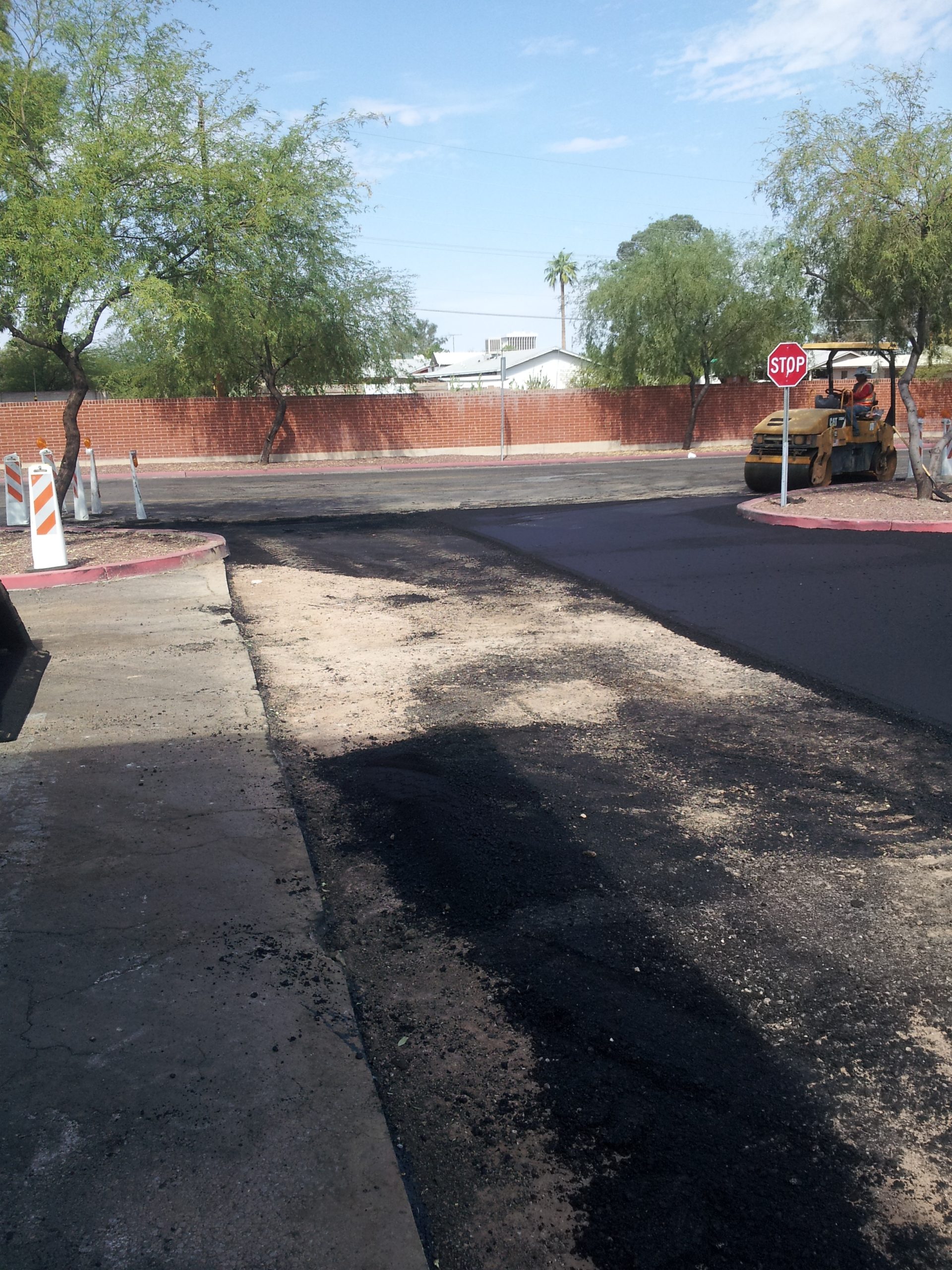
The fastest way to waste money on asphalt is to treat the wrong problem.
If you have cracking, fading, or rough spots, it is easy to assume seal coating will “fix” it.
Seal coating is a protective layer, not a structural repair, and that difference decides whether your next call is a simple service visit or another round of pothole repair.
Here at Eagle Rock Excavating, we take a practical, honest approach.
Before we recommend seal coating, we look closely at the surface condition, drainage patterns, cracking, and any soft areas. If repairs should come first, we explain why.
In the sections that follow, we will help you judge readiness on your own and understand when seal coating makes sense and when it does not.
What Seal Coating Does for Water Damage Prevention and Curb Appeal
What Seal Coating Really Is
Seal coating is a thin protective layer placed on asphalt.
Public agencies use surface treatments as part of pavement preservation programs to slow deterioration and extend service life.
Texas DOT describes pavement preservation practices as a way to extend pavement life and slow progressive failures.
On private sites, the goal is similar: slow surface aging so you can delay bigger work.
What “Water Damage Prevention” Looks Like in Real Life
Water damage prevention does not mean water never touches your pavement.
It means you reduce how much water soaks in through small cracks and surface pores.
Seal coating can help with:
- Slowing surface drying and surface cracking growth
- Adding a protective layer that helps repel water on the surface
- Reducing surface wear tied to sunlight and weather exposure
Seal coating cannot solve standing water.
If water pools, the issue usually points to drainage or grading.
Why Curb Appeal Improves When the Pavement Is Ready
On a sound surface, seal coating can darken and unify the look, which supports curb appeal.
That matters more than people admit.
Customers notice lots. Tenants notice entries. Homeowners notice first impressions.
Still, curb appeal is a bonus.
The main reason seal coating is worth considering is protection, not looks.
What Seal Coating Doesn’t Do: Pothole Repair and Structural Failure
The Simple Rule
Seal coating does not fix holes.
Seal coating does not rebuild base strength.
Seal coating does not bond broken chunks back together.
If your asphalt has:
- Potholes
- Severe cracking that connects in patterns
- Soft spots that move under foot
- Areas that pump water after rain
…you are already past “seal coat only.”
Why Pothole Repair Comes First
A pothole usually forms after cracking gets severe enough that chunks break loose.
One common cause chain includes cracking, moisture infiltration, and loss of material.
That does not mean every pothole needs full reconstruction, yet it does mean the hole needs repair before any protective coating goes down.
Myths and Facts About Best Driveway Sealer and Block UV Claims
Myth: “Seal Coating Fixes Cracks and Holes”
Fact: Seal coating can hide hairline surface wear for a short period, yet it does not repair the structure.
If cracks move, widen, or hold water, crack repair comes first, then seal coating.
Myth: “The Best Driveway Sealer Works on Any Driveway”
Fact: Product choice matters, yet surface condition matters more.
A “best driveway sealer” claim is meaningless if the asphalt is already failing.
Prep and timing decide performance more than slogans.
Myth: “Seal Coating Blocks UV Completely”
Fact: Sun exposure includes UVA UVB radiation reaching the ground.
Seal coating can reduce surface exposure and slow oxidation, yet it cannot promise to block UV in a total way, and it cannot stop heat, weather, and traffic from aging asphalt over time.
Myth: “Seal Coating Is Only Cosmetic”
Fact: Seal coating is primarily protective when used on a sound surface. The cosmetic lift is real, yet protection is the main value.
Driveway Sealcoating Near Me: How To Tell If Your Pavement Is Ready
If you are searching driveway sealcoating near me, you probably want a quick answer.
Here is a simple readiness check you can do in ten minutes.
Step One: Look for Surface Soundness
A seal-coat-ready driveway usually has:
- No potholes
- No loose chunks
- No soft, sunken zones
- Cracks that are mostly tight, not wide gaps
Step Two: Watch What Water Does After Rain
After a storm or irrigation cycle, check:
- Does water pool in low spots?
- Does water run toward the garage or entry?
- Do you see damp areas that linger for days?
If water sits, seal coating alone will not fix the cause. Drainage and grading decisions come first.
Step Three: Check Traffic and Use
A driveway used with heavy trucks or frequent turning will wear faster.
A commercial lot with tight turns and hot tires has different stress than a quiet driveway.
This matters when you plan timing and maintenance cycles.
Eagle Rock Excavating serves Southern Arizona and takes projects across the state depending on scope.
If you are not sure whether your site fits our service coverage, a quick call is the simplest way to confirm.
Sealcoating Price per Square Foot: What Really Changes the Cost
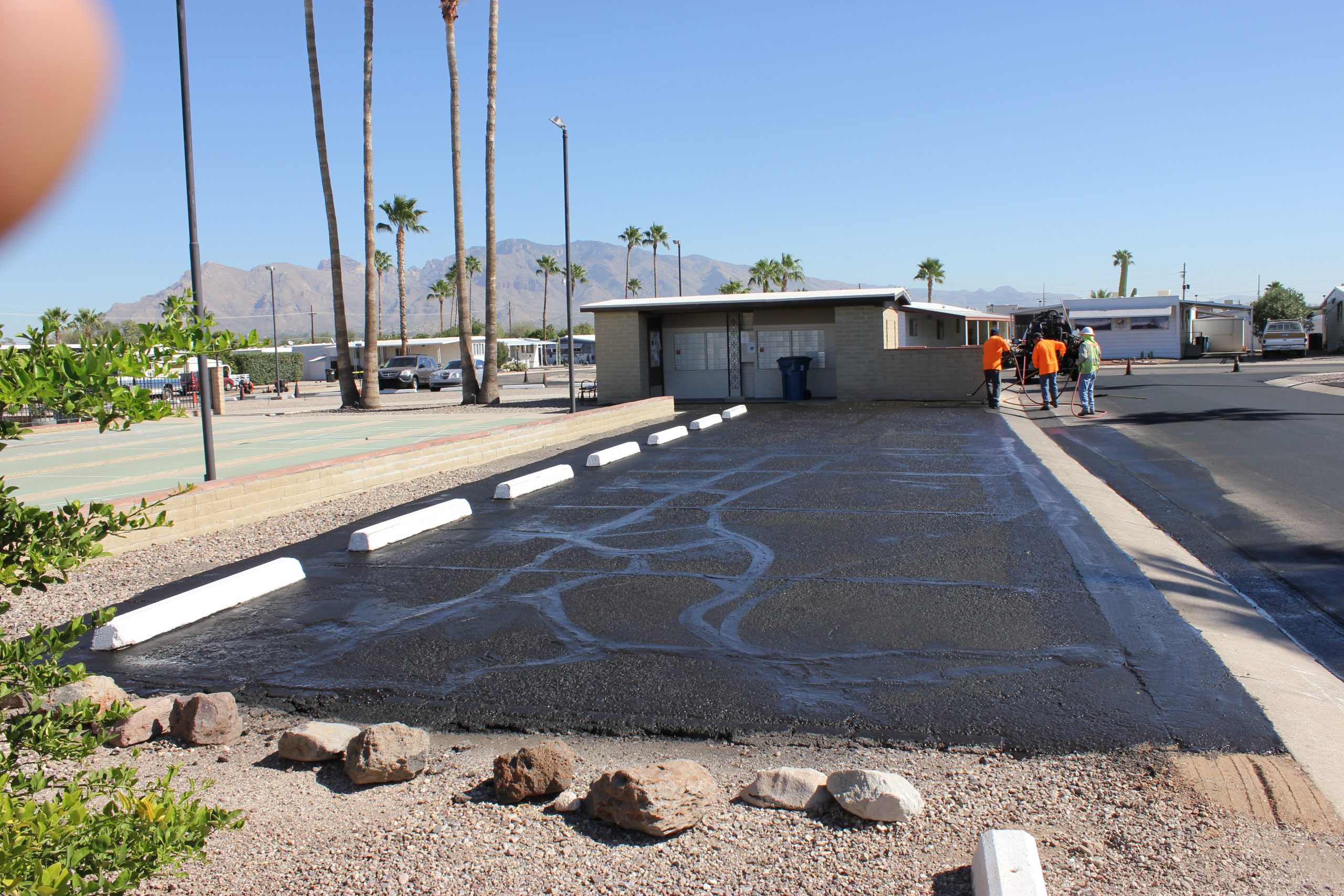 You will see people search sealcoating price per square foot because budgets matter.
The problem is that a single number can mislead you, since two driveways with the same size can have totally different prep time.
Rather than quoting a number we cannot prove for every site, here are the real cost drivers you can verify on your own property.
Condition Drives Prep Time
Cost often rises when the surface has:
- Many cracks needing repair
- Prior patches that need leveling
- Oil spots needing treatment
- Loose material needing removal
Prep work is not “extra.” Prep is what decides whether the coating bonds and cures well.
Access and Layout Matter
A simple rectangle is easier than a lot with:
- Tight corners
- Islands
- Multiple entries
- Heavy stripping and staging needs
Weather Windows Matter
Seal coating needs dry cure time.
Humidity, temperature swings, and storm risk affect scheduling.
Material System Matters
Not all sealers are the same type or blend. Some systems include additives or sand for texture.
Some sites require higher durability.
A real quote should explain what is included.
The Right Takeaway
Use “price per square foot” searches to learn questions to ask, not to lock in a number from a random chart.
A site visit gives you a real answer.
SealMaster
SealMaster is a known name in pavement maintenance products.
Material matters, yet it is only one piece of the result.
What Matters More Than the Label
- Surface cleaning
- Crack repair quality
- Patch stability
- Dry time control
- Proper application thickness
If any of these go wrong, even good material can fail early.
How Eagle Rock Excavating Talks About Materials
We use professional-grade sealers and crack seal systems as part of pavement maintenance work.
When we reference product systems, we do it in a practical way: what it is meant to do, what conditions it fits, and what prep it still requires.
If you want to compare contractors, ask one question that always reveals quality:
“What prep steps are included before the sealer goes down?”
A good contractor answers clearly, without dodging.
Seal Coating vs Pothole Repair: The Order That Works
If you remember nothing else, remember the order.
This sequence saves money and avoids the “it looked good for three months” problem.
Step One: Cleaning and Surface Prep
This includes removing loose debris, dirt, and vegetation.
A clean surface helps coating bonds.
Step Two: Crack Work Before Seal Coating
Cracks are water entry points.
Crack work reduces water infiltration pathways.
Step Three: Pothole Repair and Patching Before Seal Coating
Pothole repair restores surface integrity.
Seal coating goes over stable asphalt, not broken areas.
Step Four: Seal Coating on a Sound Surface
Seal coating protects what remains sound.
It does not rebuild what already failed.
Step Five: Striping After Cure, When Relevant
On commercial lots, striping often follows after cure time.
This is also where one coordinated contractor helps.
When you split patching and seal coating between different crews, timing gaps happen, and results suffer.
Water Damage Prevention and Drainage Issues: What Seal Coating Cannot Fix
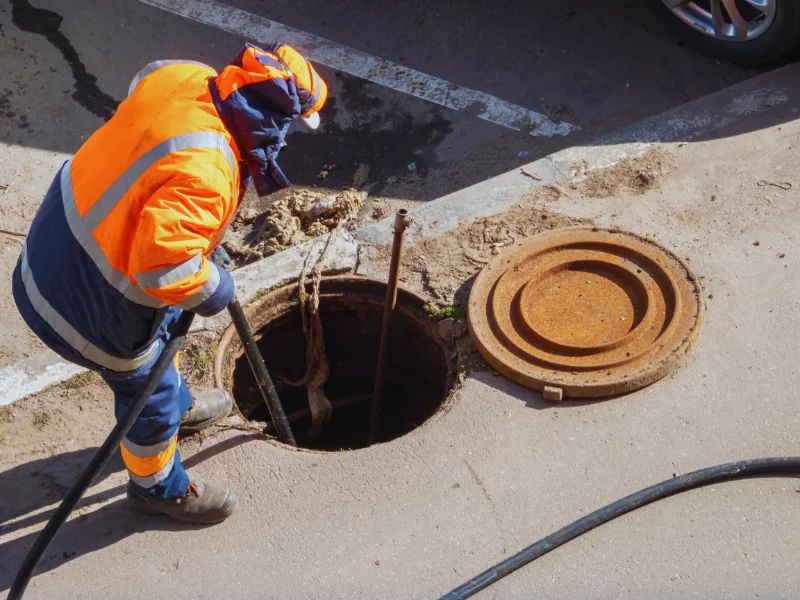 Water damage prevention starts with where water goes.
Seal coating can reduce surface entry, yet it cannot fix drainage issues.
Simple Signs Drainage Problems Exist
- Water ponds in the same spots
- Water flows toward buildings
- Downspouts dump onto asphalt
- Patches fail again after storms
Why Drainage Still Wins
When water sits, it finds cracks.
When it enters layers below, it weakens support.
Government pavement training material notes that moisture can reduce stiffness in pavement layers.
How Eagle Rock Excavating Approaches Drainage Linked Failures
When drainage issues drive repeat damage, we may recommend grading changes, storm drainage work, or targeted base repairs before seal coating.
This keeps you from sealing a problem that comes right back.
What To Expect From a Professional Seal Coating Crew
Clear Pre-Work Communication
You should know:
- When to stay off the surface
- How long cure time may take
- What repairs are included
- What areas will get special attention
Visible Prep Work
You should see:
- Cleaning
- Crack repair work
- Patch work where needed
If a crew shows up and starts spraying right away, pause the job and ask questions.
A Finished Surface That Matches the Condition
Seal coating does not make broken pavement new.
It makes sound pavement more protected and cleaner-looking.
If your surface was already rough and patched, the result will still show those features.
An honest contractor sets that expectation.
Common Situations and the Right Answers
“My Driveway Looks Gray and Dry”
Seal coating can make sense if the surface remains solid and cracks are minor.
“I Have One Small Pothole”
Pothole repair first, then seal coating if the surrounding area is sound.
“My Lot Has Many Patches and Lots of Cracking”
Seal coating alone rarely solves that.
A site review should decide whether patching is enough or whether deeper rehab is needed.
“I Want Curb Appeal Before Leasing Season”
Seal coating can help curb appeal if repairs are handled first and the pavement is still a good candidate.
What To Do Next When You Want Seal Coating Without Waste
If you want a simple next step, do this:
- Walk your driveway or lot after a rain
- Mark ponding spots and crack zones
- Note any pothole repair areas that keep returning
- Take a few photos from the same spots
- Call for an evaluation that includes repair order, not only a seal quote
Let’s Do A Fresh Seal Coat On Your Arizona Pavement
Seal coating is not a repair.
It is a protective layer that can support water damage prevention and curb appeal when the asphalt is still sound.
Eagle Rock Excavating can look at your pavement, tell you if seal coating makes sense, and handle repairs first when the surface is not ready.
If you want a clear plan and a real quote without pushy talk, call Eagle Rock Excavating and ask for a free estimate.


