
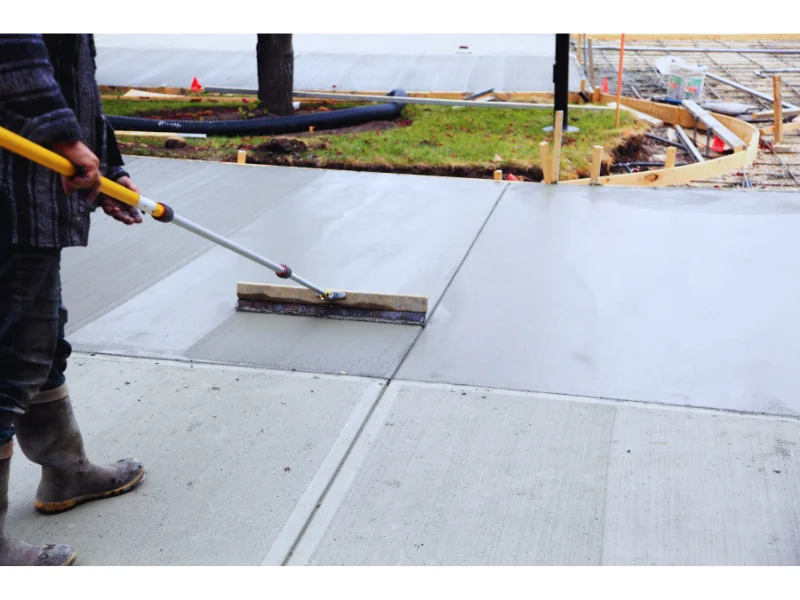
Concrete is one of the most reliable and widely used materials in construction.
It is used for driveways, patios, or walkways for its durability and strength, making it a top choice for homeowners and businesses.
But when choosing between stamped concrete vs regular concrete, there are key factors to consider, including cost, maintenance, and appearance.
Arizona’s intense heat and unpredictable weather can also impact how well each type of concrete holds up over time, making the right choice even more important.
Each option comes with its own set of pros and cons, and understanding these differences will help you make the best decision for your home or business.
Investing in the right type of concrete can improve the appearance of your property while also ensuring long-term durability in Arizona’s harsh climate.
What Is Stamped Concrete?
How Stamped Concrete Is Made
Stamped concrete is created by pressing molds into freshly poured concrete before it fully hardens.
Special color hardeners and release agents are applied to achieve a realistic stone or brick-like appearance.
The process allows for a wide range of patterns and colors, making it a popular choice for patios, walkways, and pool decks.
Benefits of Stamped Concrete
One of the biggest advantages of stamped concrete is its aesthetic appeal.
It offers the look of high-end materials like brick, stone, or wood without the high price tag.
Since the color and pattern are applied during installation, homeowners can customize their concrete to complement their home’s design. Another major benefit is durability.
When properly installed and sealed, stamped concrete can withstand heavy foot traffic and exposure to various weather conditions.
Investing in stamped concrete can greatly increase a property’s value.
One of the main reasons stamped concrete increases property value is its ability to mimic the appearance of costly materials like stone, brick, or wood.
The use of advanced stamping methods and a variety of colors and patterns, homeowners can create a high-end aesthetic at a more affordable cost.
Drawbacks of Stamped Concrete
Despite its many benefits, stamped concrete does have some downsides.
One of the main drawbacks is the higher initial cost.
Because it involves additional materials, design work, and labor-intensive installation, stamped concrete can be more expensive than traditional concrete.
Another concern is maintenance. Unlike regular concrete, stamped surfaces require resealing every few years to maintain their color and prevent cracking.
If left unsealed, the surface may fade or become more prone to damage.
Stamped concrete can also be slippery when wet, especially if a glossy sealant is used.
In order to reduce this risk, anti-slip additives can be incorporated into the sealant.
What Is Traditional Concrete?
How Traditional Concrete Is Used
Regular concrete, also known as plain or gray concrete, is a simple mixture of cement, water, and aggregate.
It is commonly used for driveways, sidewalks, and foundations due to its affordability and strength.
Many homeowners and businesses prefer traditional concrete because it offers a functional and durable surface without the added cost of decorative elements.
Benefits of Traditional Concrete
Traditional concrete is one of the most budget-friendly paving options.
Because it doesn’t require additional colorants or stamping techniques, the overall installation cost is lower.
Another advantage is its strength and longevity. With proper installation and minimal maintenance, traditional concrete can last for decades.
This makes it an excellent choice for high-traffic areas such as driveways, parking lots, and commercial spaces.
Traditional concrete is also easier to repair than stamped concrete.
If a section becomes cracked or damaged, it can be patched without affecting the surrounding surface.
Plus, traditional concrete is better suited for areas that need to support heavy loads, such as garages and industrial spaces.
Drawbacks of Traditional Concrete
While regular concrete is durable, it does have some downsides. One of the biggest disadvantages is its plain appearance.
Unlike stamped concrete, which can be customized with different patterns and colors, traditional concrete is typically gray and lacks visual appeal.
Homeowners looking to improve its aesthetics may need to invest in additional finishing techniques, such as staining or polishing.
Another drawback is that traditional concrete is more prone to cracking in Arizona’s extreme temperatures.
The combination of intense heat and sudden temperature drops can cause expansion and contraction, leading to surface cracks over time.
Regular maintenance and sealing can help reduce this issue, but it remains a concern for many property owners.
Comparing Stamped Concrete vs. Regular Concrete
 Cost Differences
Stamped concrete generally costs more upfront due to additional materials and labor.
The process requires specialized tools and expertise to create the decorative finish, making it a more expensive option.
Traditional concrete, on the other hand, is more affordable because it involves a simpler installation process.
However, it’s important to consider long-term costs as well.
While stamped concrete may require more maintenance, the increased curb appeal and property value can make it a worthwhile investment.
Traditional concrete, though less expensive initially, may require repairs or resurfacing over time due to cracking and wear.
Maintenance Requirements
Both stamped and traditional concrete require some level of maintenance, but stamped concrete demands more upkeep.
Resealing is necessary to protect its color and texture, while traditional concrete mainly needs occasional cleaning and crack repairs.
If properly maintained, both options can provide long-lasting surfaces that withstand daily use and exposure to the elements.
Durability in Arizona’s Climate
Arizona’s intense heat and strong sunlight affect both types of concrete.
The sorptivity of concrete, or its ability to absorb and transmit water, plays a role in how each surface withstands weather changes.
Stamped concrete with a proper sealant can resist moisture damage, while traditional concrete may develop cracks due to expansion and contraction.
The right maintenance approach determines if either type of concrete lasts in the Arizona climate.
Customization and Design Options
Stamped concrete offers a wide range of design choices, making it the preferred option for those looking for decorative surfaces.
Traditional concrete, while durable, is limited in terms of aesthetic appeal unless additional finishing techniques, such as staining or polishing, are applied.
Homeowners who prioritize customization may find stamped concrete to be the better choice, while those who value simplicity and function may prefer traditional concrete.
Choosing the Best Color to Paint a Concrete Patio
 How Color Impacts Appearance
Choosing the best color to paint a concrete patio can greatly influence the overall look of your outdoor space.
Lighter colors help reflect heat, making them ideal for Arizona’s climate, while darker shades add a bold, modern touch.
The right color can enhance the appearance of a patio, complement surrounding landscaping, and create a more inviting space.
Popular Color Choices
Many homeowners prefer neutral tones such as beige, sandstone, or light gray, as these colors blend well with Arizona’s desert landscapes.
Modern designs often incorporate charcoal or slate gray for a sleek, contemporary look.
Earthy tones like terracotta and soft browns can create a warm and natural feel, while soft blues and greens provide a subtle, calming effect.
No matter the color, applying a high-quality sealant is essential to protect the painted surface from fading and moisture damage.
Make the Right Choice for Your Property with Eagle Rock Excavating
Both stamped concrete vs regular concrete have their advantages and drawbacks.
Stamped concrete offers more customization and aesthetic appeal, but it comes at a higher cost and requires regular maintenance.
Traditional concrete is affordable, durable, and easy to repair, though it lacks decorative options.
If you’re looking for construction guidance on stamped vs regular concrete, we at Eagle Rock Excavating provide high-quality concrete paving solutions suited to Arizona’s climate.
Contact Eagle Rock Excavating today for a free estimate and professional recommendations on the best concrete option for your project.


