
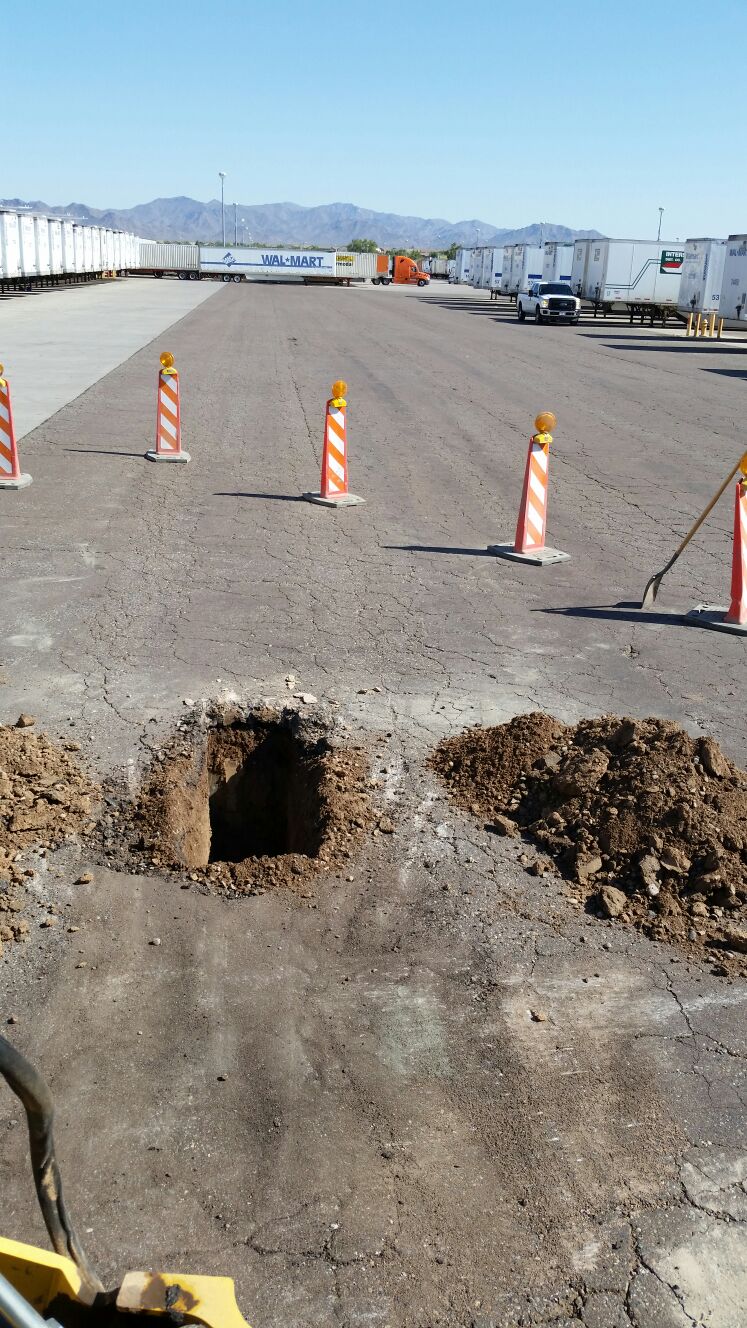
Water sitting on top of your parking lot after a storm is one of the biggest reasons pavement breaks down early.
When rainwater doesn’t move off the surface or out from beneath the asphalt pavement, it weakens the foundation that supports vehicles and leads to common issues like cracks and potholes in parking lots.
According to the Federal Highway Administration, moisture infiltration through surface cracks and joints is a leading source of water entering pavement structures, which accelerates deterioration.
Eagle Rock Excavating is here to guide you how parking lot drainage functions, the real causes of drainage failures, and practical fixes you can consider to protect your asphalt pavement investment over years of use.
Why Parking Lot Drainage is Important
Water is one of the main forces that weakens asphalt pavement.
As water enters the pavement structure through surface cracks or poor drainage, it saturates the base and lowers the strength of the soil supporting the pavement.
According to research on flexible pavement drainage systems, moisture in pavement layers reduces the load‑bearing capacity and accelerates deterioration unless it is removed quickly from beneath the surface.
In a well‑designed parking lot, water flows off the asphalt surface and into drainage systems or gently slopes away from critical pavement areas.
When drainage fails, several problems can develop.
How Water Damages Asphalt Pavement
Water hurting asphalt isn’t just a theory, it is well documented:
- Moisture inside pavement weakens the base and subgrade soil.
- Water trapped under the pavement decreases stiffness, making the pavement more flexible under load and more likely to deform.
- Water that enters through cracks expands under freeze‑thaw cycles (in colder climates), widening cracks and creating potholes.
Once water has penetrated multiple layers of the pavement, surface repairs alone don’t stop the underlying damage.
Common Parking Lot Drainage Problems
Here are the most common issues we see in parking lots of all sizes:
1. Poor Surface Grading
The primary job of grading is to create a surface slope so surface water flows away from the pavement rather than collecting.
Without enough slope, water pools, and standing water increases the moisture load under the asphalt.
The FHA, while focused on broader stormwater management, notes that even small deviations in slope can prevent water from properly draining away from paved areas, contributing to runoff problems.
Signs of grading problems include:
- Large puddles after rain
- Water remaining in wheel paths
- Depressions or soft spots when walked after rain
2. Standing Water and Water Pooling
Standing water is more than a cosmetic issue, it is a sign that water hasn’t left the surface.
Persistent puddles allow water to seep into cracks and begin weakening the subsurface layers.Pooling water also increases the risk of safety issues such as slippery conditions that make walking or braking unpredictable on wet asphalt.
3. Cracks and Potholes in Parking Lots
Cracks and potholes often form where water has started to weaken the foundation beneath the asphalt surface.
As vehicles pass over the pavement, the weakened base can no longer support the load, and sections collapse, creating potholes.
Once formed, potholes tend to grow unless the root cause, water infiltration and poor drainage, is addressed.
4. Subsurface Moisture Weakening the Base
Water doesn’t just sit on the surface, it moves into the base and subgrade layers through cracks, especially in older pavement.
Moisture in the base layer reduces soil strength, which supports the asphalt surface.
This leads to accelerated cracking, rutting, and structural distress.
According to flexible pavement research, moisture has a significant effect on asphalt performance and must be removed quickly to avoid accelerated deterioration.
5. Clogged Or Ineffective Drainage Features
Parking lots often rely on catch basins, trench drains, and surface drainage paths to move stormwater away.
When these features are clogged with debris or undersized, water remains on the surface or near the pavement edge, increasing moisture exposure.
According to highway drainage research, drainage systems that fail to remove runoff result in water retention on travel ways, which contributes to pavement deterioration and safety hazards.
How Poor Drainage Shortens Pavement Life
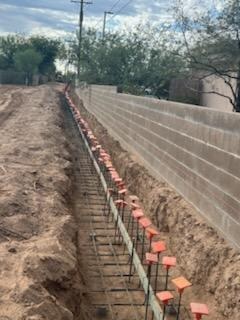
Water accelerates pavement damage through several mechanisms:
- Moisture Weakens Structural Layers – Water in the base and subgrade soils reduces stiffness and load capacity.
- Water Facilitates Crack Expansion – Cracks allow water to enter deeper layers, accelerating damage under repeated traffic.
- Freeze‑Thaw Cycles (In Cold Climates) – Water freezing in cracks expands, widening damage over time.
All of these processes speed up the need for major repairs if they are not stopped early.
Common Indicators of Drainage Failure
Be alert if you see the following:
- Persistent puddles after rain
- Cracks that widen suddenly
- Potholes forming repeatedly in certain spots
- Soft or spongy pavement underfoot
- Erosion near landscape beds or edges
These often point to deeper drainage and foundation issues, not just surface damage.
Best Fixes for Parking Lot Drainage Problems
Addressing parking lot drainage involves fixing the cause, not just patching the symptoms.
Proper Grading To Direct Runoff
Surface grading shapes the parking lot so water flows toward drains or off the pavement entirely.
Principles for proper grading:
- Minimum slope of 1–2% toward inlets or edges
- Elimination of flat areas where water lingers
- Smooth transitions to landscape areas so water doesn’t circle back
Correcting slope often requires excavation and base adjustments before asphalt resurfacing.
French Drain Installation for Subsurface Water
French drains are trenches filled with gravel and a perforated pipe that intercepts water below the surface and guides it toward a collection point or storm system.
French drains help by:
- Lowering groundwater levels beneath pavement
- Redirecting subsurface water before it weakens the base
- Reducing moisture pressures that lead to cracking and potholes
French drains are especially useful in flat parking lots where surface grading isn’t enough to move water.
Catch Basins and Trench Drains for Surface Runoff
Catch basins and trench drains collect water from the surface quickly and carry it into underground storm systems.
- Trench drains are long drains placed in low areas where surface water naturally flows.
- Catch basins collect water at specific points and tie into storm sewer systems.
Regular cleaning of these features prevents debris buildup that can block water flow.
Parking Lot Excavation and Base Repair
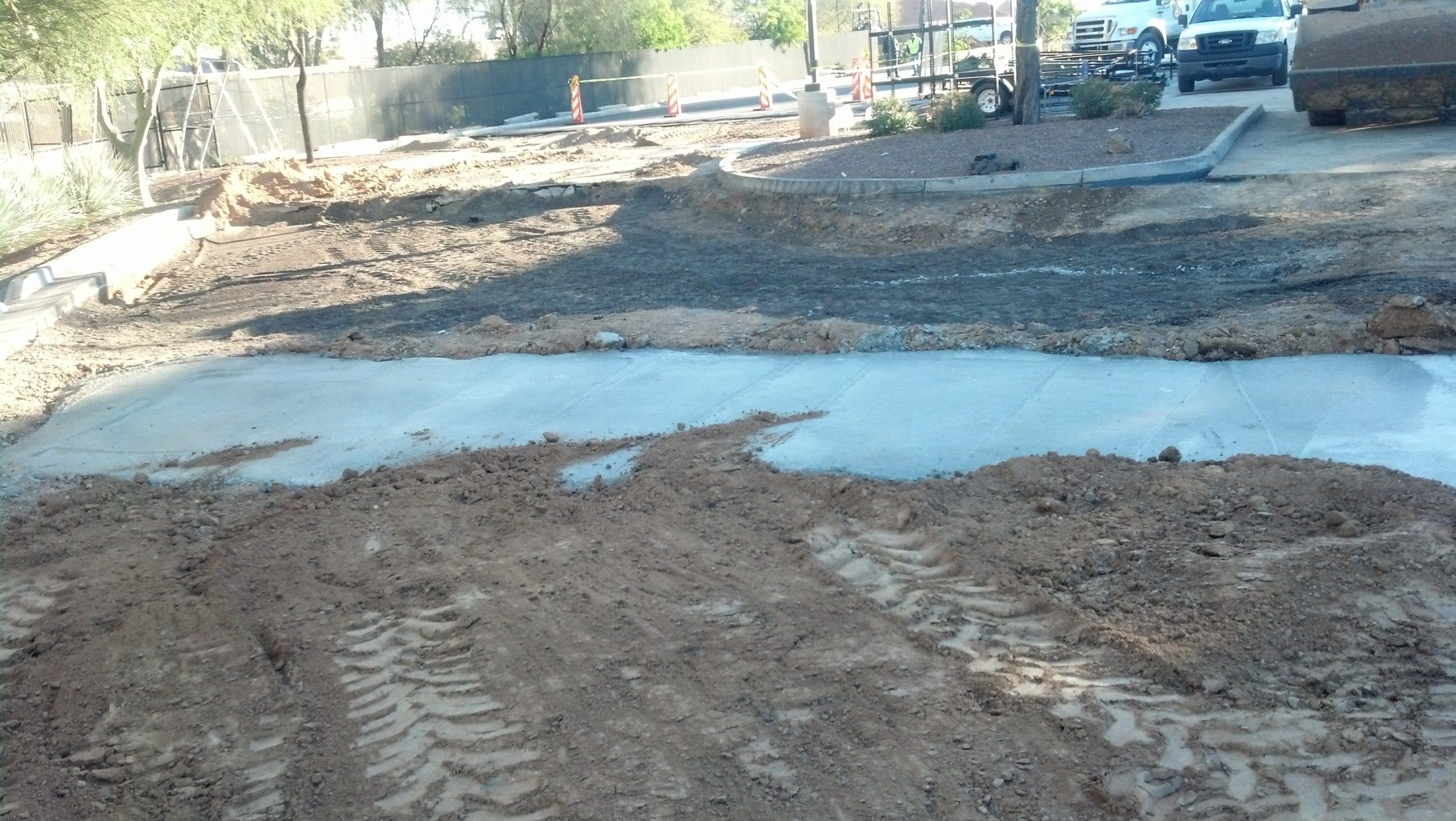
If moisture has already compromised the base beneath the asphalt, simple surface patching won’t fix the underlying cause.
Steps in base repair generally include:
- Removing damaged asphalt
- Excavating saturated base material
- Replacing it with well‑draining aggregate
- Compacting the base for strength
- Re‑grading for proper drainage
This restores base support so the new asphalt can perform much better under load.
Quality Asphalt Paving Preparation
New asphalt paving should begin with confirming that:
- Grading is correct
- Drainage features are functioning
- Base material is stable and compacted
Well‑prepared pavement sheds water instead of letting it sit and infiltrate.
Routine Parking Lot Maintenance to Prevent Future Problems
Even well‑drained parking lots need regular attention:
- Sweeping debris so drains don’t clog
- Cleaning catch basins and grates regularly
- Sealing small cracks to keep water out
- Inspecting slopes after heavy storms
These practices help keep surface water from becoming a structural problem.
Who Should Consider Professional Evaluation
If you notice any of these ongoing issues, a professional assessment of drainage and subgrade conditions is useful:
- Persistent standing water after rain
- Frequent potholes in the same locations
- Sudden widening cracks
- Soft or uneven pavement
Identifying hidden foundation issues early can prevent costly full‑depth repairs later.
What to Do Next
- Inspect your parking lot after a storm and mark where water pools.
- Photograph problem areas for record and planning.
- Evaluate drainage paths and surface slopes.
- Seek a detailed inspection from a contractor experienced in grading, drainage correction, base repair, and asphalt paving.
If you want a thorough evaluation of your parking lot condition, Eagle Rock Excavating offers drainage assessments, base repair, and paving solutions with free estimates.
Fix Your Drainage Problems With Eagle Rock Excavating
Fixing the cause through grading improvements, french drain installation, excavation and base repair, or good maintenance practices protect your pavement investment and keeps your lot safe and functional.
Regular inspections and attention to drainage issues also reduce long‑term repair costs.
For property owners handling parking lot challenges, a professional evaluation can identify hidden issues before they escalate.
Contact our team at Eagle Rock Excavating for a free estimate and practical guidance on drainage and paving solutions that fit your property’s needs.


