
Large-scale excavation is one of the most involved phases of any civil construction project, and it sets the foundation for everything that comes after it. Whether the job involves site clearing for a commercial development, grading for a new road, or preparing land for a drainage system, the excavation phase determines how well the rest of the project performs.
Mistakes made during excavation are expensive to correct once construction is underway, which is why planning and execution at this stage matter so much.
At Eagle Rock Excavating, we manage excavation projects of all sizes across Southern Arizona, and the process follows a clear sequence of steps regardless of the scale. Here is what actually happens from the first site visit through to a finished, construction-ready site.
What Happens Before Any Digging Starts?
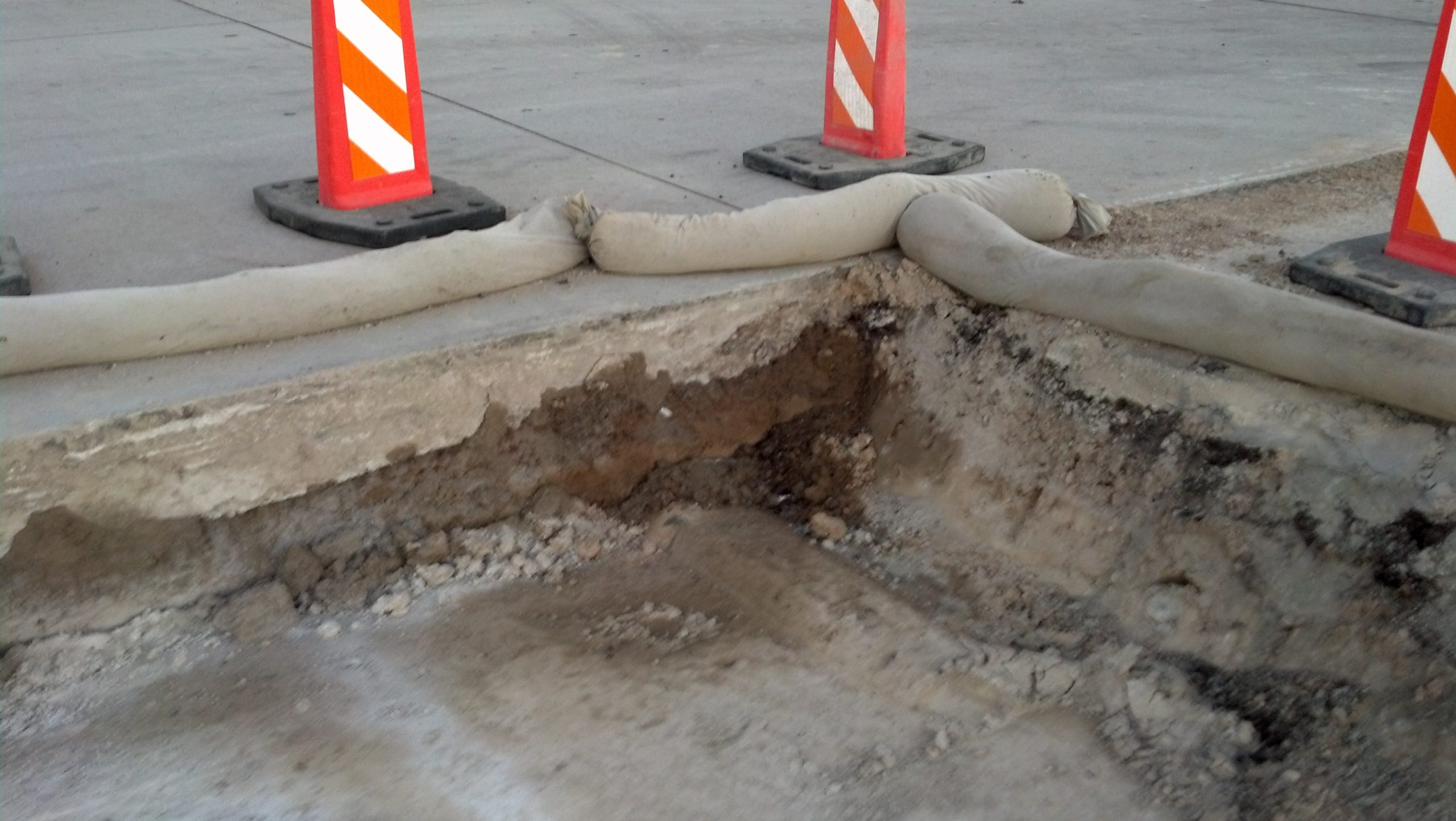 The work that happens before a single bucket of dirt is moved is just as important as the excavation itself.
A large-scale excavation project requires thorough planning, utility identification, permitting, and site assessment before any equipment is mobilised. Skipping or rushing this phase is one of the most common causes of project delays and cost overruns.
Here is what the pre-excavation process typically involves:
- Site Survey and Assessment
Establishes existing grades, soil conditions, and any site-specific constraints that will affect the excavation plan. - Utility Locating
Identifies underground lines including gas, water, sewer, and electrical before any digging begins. In Arizona, contractors are required to contact Arizona 811 before excavating to have underground utilities marked. - Permitting and Approvals
Obtained from the relevant local authority, which in Tucson falls under the City of Tucson Development Services Department. - Geotechnical Investigation
Carried out on larger projects to understand soil bearing capacity, moisture content, and any unstable material that needs to be addressed before work begins. - Equipment Planning
Determines what machinery is needed based on the scope, soil type, and site access conditions specific to the project.
How Do We Assess Soil and Site Conditions in Southern Arizona?
Southern Arizona presents specific soil and terrain challenges that affect how we approach large-scale excavation. The region has a mix of caliche, rocky ground, sandy desert soils, and areas with expansive clay, all of which behave differently under excavation and construction loads. Understanding what is beneath the surface before work begins is essential to planning the right approach.
Caliche is a particularly common issue in Southern Arizona. It is a hardened calcium carbonate layer that forms naturally in desert soils and can be difficult to excavate with standard equipment. In some cases, it requires specialised machinery or breaking techniques to remove.
What Does the Excavation Phase Actually Involve?
Once the pre-construction work is complete and the site is ready, the excavation phase begins in a structured sequence.
Large-scale excavation is not simply digging a hole. It involves removing material to precise depths and grades, managing the excavated material, and continuously monitoring the work against the project’s engineering plans.
The excavation process on a large commercial or civil project typically follows this sequence:
- Site Clearing and Stripping
Removes vegetation, topsoil, and any surface debris that cannot remain on the site before bulk excavation begins. - Bulk Excavation
Removes the main volume of material down to the required subgrade elevation as defined in the engineering drawings. - Cut and Fill Operations
Excavated material from high areas is redistributed to low areas on the same site to achieve the design grade, reducing the need to import or export material. - Trench Excavation
Carried out for utilities, drainage systems, or foundations that require specific depths and widths separate from the main excavation. - Subgrade Preparation
Compacts and stabilises the exposed base material so it can support the loads of whatever is being built on top of it.
Throughout this process, we work against survey stakes and engineering drawings to ensure every cut and grade matches the design specifications.
How Is Excavated Material Managed on a Large Project?
Material management is a significant logistical part of any large scale excavation project. The goal is to minimise unnecessary trucking of material on and off site, which adds cost and time.
On well-planned projects, cut and fill volumes are balanced so that material removed from high points is used to build up low points on the same site.
When material does need to leave the site, it has to be disposed of correctly. Clean fill can often be repurposed on other construction sites. Contaminated or unsuitable material requires disposal at an approved facility in line with Arizona Department of Environmental Quality regulations.
Managing this properly is both a compliance requirement and a practical part of keeping the project on schedule.
What Role Does Drainage Play During Excavation?
Drainage planning is built into the excavation phase, not added at the end. On a large site, the grading and excavation work directly determines how water moves across and through the property once construction is complete. Getting this wrong creates drainage problems that are expensive to fix after the fact.
In Southern Arizona, monsoon season rainfall can be intense and sudden. A site that is not graded to direct water away from structures and toward appropriate drainage outlets will flood, erode, and cause long-term damage.
We work from civil engineering drainage plans during the excavation phase to make sure every grade change contributes to the overall drainage design rather than working against it.
How Do We Keep a Large Excavation Project on Track?
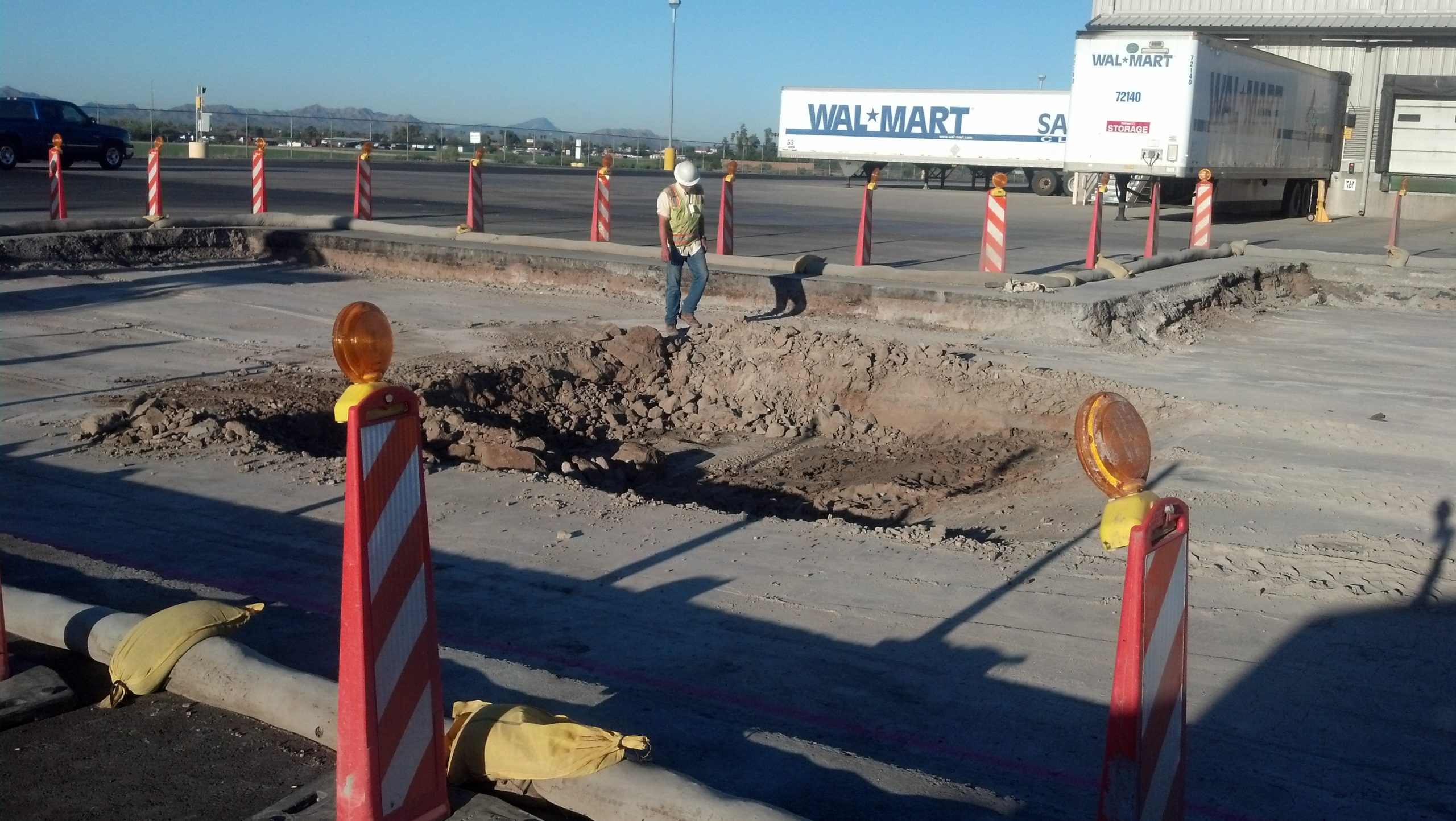 Large scale excavation projects involve multiple crews, multiple pieces of equipment, and a sequence of tasks that depend on each other. Keeping the project on schedule requires active supervision, clear communication, and the ability to adapt when site conditions differ from what was anticipated.
Soil conditions can change across a large site. What starts as straightforward sandy material in one area might transition to caliche or rock in another, which requires a change in equipment or technique.
Weather is another factor, particularly during monsoon season when heavy rain can temporarily halt work or change site conditions. Experienced project management means anticipating these variables and having a plan to respond to them without losing significant time.
What Happens After Excavation Is Complete?
The end of the excavation phase marks the beginning of the next stage of construction, and handing over a properly prepared site is what makes that transition smooth. A finished excavation delivers a site that is graded to the design elevations, compacted to the required specifications, and ready for the next trade or construction phase.
Depending on the project, the next steps might include utility installation, foundation work, paving, or the installation of stormwater drainage infrastructure.
At Eagle Rock Excavating, we often continue through those subsequent phases as part of a broader civil construction scope. A site that has been excavated correctly is much easier and faster to build on, and that efficiency carries through every phase that follows.
What Size Projects Do We Handle?
We work on large-scale excavation projects across Southern Arizona, from commercial development sites and municipal infrastructure projects to large residential developments and industrial facilities. The scale of a project changes the logistics, the equipment, and the timeline, but the fundamental process remains the same.
Here is a general breakdown of what project scale affects:
- Equipment Selection
Ranges from compact excavators for tighter sites to large tracked excavators and motor graders for open commercial or civil projects. - Crew Size and Supervision
Scales with the volume of material and the number of simultaneous work areas active on site at any given time. - Timeline
Depends on site area, soil conditions, access constraints, and the complexity of the drainage and grading design. - Permitting Complexity
Increases with project size and proximity to sensitive areas such as washes, wetlands, or environmentally protected land.
Start Your Excavation Project the Right Way
Large-scale excavation requires the right equipment, experienced operators, thorough planning, and a contractor who understands Southern Arizona’s specific soil and climate conditions. Cutting corners at this stage creates problems that follow a project all the way through to completion.
At Eagle Rock Excavating, we manage excavation projects across Southern Arizona with the planning and execution that large-scale work demands.
Visit our services page to learn more about our excavation and civil construction capabilities, or contact our team to talk through your project and get a straightforward assessment of what it involves.


