
 Are you planning to build in Tucson, Arizona?
Before you start digging, pouring concrete, or calling the framers, it’s worth taking a moment to learn about Tucson building codes.
These codes are in place to make sure your structure can hold up to the heat, the monsoons, and the way our desert soil shifts over time.
Our team at Eagle Rock Excavating works with folks all across Arizona and Tucson – homeowners, builders, small business owners – and most of them run into the same questions when they’re starting a project.
If you’re planning any kind of excavation, paving, or underground utility work in Tucson, this is what you need to know before anything gets moving.
What Are Building Codes?
Building codes are a set of regulations that specify the standards for constructed objects such as buildings and non-building structures.
They ensure the safety, health, and general welfare of the occupants and the public.
In Tucson, these codes cover aspects like structural integrity, fire safety, energy efficiency, and accessibility.
Why Are They Important in Tucson?
The Heat in Tucson: Managing Building Temperature
Tucson’s summer heat regularly exceeds 100°F, which can significantly raise cooling costs for any building.
In order to address this, building codes require insulation and windows designed to block heat, ensuring that buildings stay cooler.
This not only maintains comfort but also reduces the workload on air conditioning systems, lowering energy bills.
Proper design, based on local codes, makes buildings more energy-efficient and cost-effective in the long run.
Handling Rainfall: The Importance of Drainage
Though Tucson doesn’t see frequent heavy rainfall, monsoon storms can bring intense downpours that lead to localized flooding.
Building codes in Tucson require effective drainage systems to manage this water and prevent damage to the property.
Without adequate drainage, water can pool in yards or enter buildings, risking water damage to the foundation or structure.
Proper drainage ensures that homes and businesses are resilient in stormy weather, protecting the property from costly repairs.
Tucson’s Soil: Ensuring Stability
Tucson’s soil can vary greatly, with some areas prone to shifting or settling, while others have harder, more compact soil.
Building codes account for these soil conditions to ensure structures remain stable.
Foundations may need to be designed differently depending on the type of soil, requiring specific techniques to prevent sinking or shifting.
These regulations ensure that buildings are structurally sound, regardless of the underlying land conditions.
Why Building Codes Matter
While following building codes may seem burdensome, they are crucial for ensuring long-term stability and safety.
Building codes in Tucson are designed to protect your property by addressing the area’s heat, heavy rains, and soil conditions.
Not only does this protect the property, but it also saves money on repairs and maintenance down the road.
Current Building Codes in Tucson
Adoption of the 2018 International Building Codes
As of now, Tucson has adopted the 2018 International Building Codes (IBC) with local amendments.
These codes are periodically updated to reflect advancements in construction technology and safety standards.
The city incorporates specific amendments to address local needs and conditions.
Upcoming Changes: The 2024 I-Codes
The City of Tucson is in the process of adopting the 2024 suite of International Codes (I-Codes).
The target implementation date for these new codes is July 1, 2025.
This means that any permit applications submitted after this date will need to comply with the updated codes.
Key Aspects of Tucson Building Codes
Structural Integrity
Ensuring that a building can withstand various stresses is fundamental.
Tucson’s codes specify requirements for materials, design loads, and construction methods to guarantee structural soundness.
Energy Efficiency
Given the city’s hot climate, energy efficiency is a significant concern.
The codes include provisions for insulation, window glazing, and HVAC systems to promote energy conservation and reduce cooling costs.
Fire Safety
Fire prevention and safety are critical components.
Regulations cover aspects like fire-resistant materials, sprinkler systems, and safe egress routes to protect occupants.
Accessibility
Buildings must be accessible to individuals with disabilities.
This includes specifications for ramps, door widths, and restroom facilities to ensure inclusivity.
Handling the Permitting Process
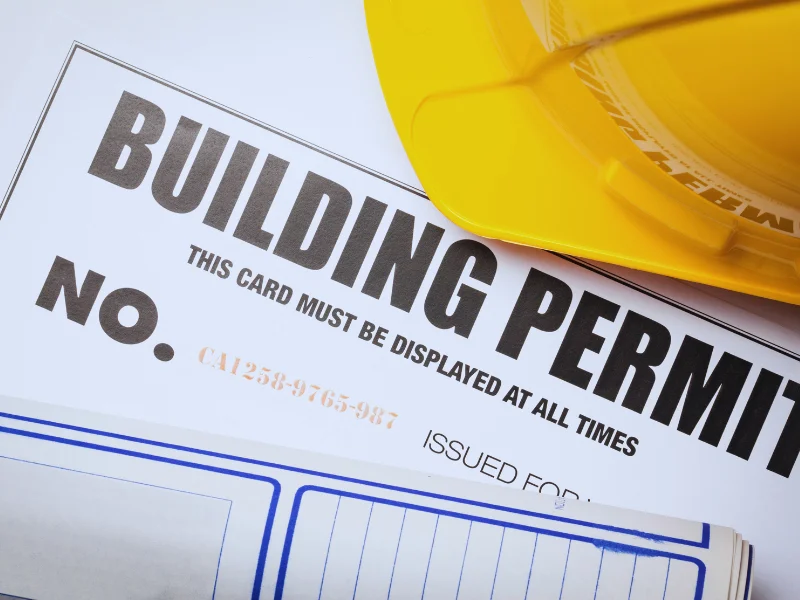 When Do You Need a Permit?
In Tucson, most construction projects require a permit.
This includes new constructions, major renovations, and certain types of repairs.
Even projects that might seem minor, like installing a new window or demolishing a wall, may necessitate a permit.
How to Apply for a Permit
The City of Tucson’s Planning and Development Services Department oversees the permitting process.
Applications can often be submitted online, and the department provides resources to guide applicants through the requirements.
Inspections and Compliance
Once a permit is issued, inspections are typically required at various stages of the project to ensure compliance with the codes.
It’s essential to schedule these inspections promptly to avoid project delays.
Common Challenges and How to Overcome Them
Staying Updated with Code Changes
Building codes are periodically updated, and staying informed about these changes is crucial.
Regularly checking the city’s official website or consulting with professionals can help keep you informed.
Understanding Local Amendments
While the I-Codes provide a baseline, Tucson incorporates local amendments to address specific regional concerns.
Familiarizing yourself with these amendments is very important for compliance.
Ensuring Proper Documentation
Incomplete or incorrect documentation can lead to delays or rejections in the permitting process.
Ensuring that all forms, plans, and supporting documents are accurate and complete can streamline approvals.
The Role of Professionals in Handling Building Codes
 Architects and Engineers
These professionals are well-versed in building codes and can design plans that comply with all regulations.
Their knowledge ensures that the structural and functional aspects of the building meet the required standards.
Contractors and Builders
Experienced contractors, like Eagle Rock Excavating, understand the practical applications of building codes.
They ensure that the construction process adheres to the approved plans and meets all code requirements.
Consultants and Expeditors
For complex projects, hiring a consultant or permit expediter can be beneficial.
They can handle the permitting process, liaise with city officials, and address any issues that arise.
Ensure Your Construction Project Meets Tucson’s Standards
Getting an understanding and adhering to Tucson’s building codes is a fundamental part of any construction project in the city.
These regulations are designed to ensure safety, efficiency, and harmony with the local environment.
Eagle Rock Excavating recognizes the importance of these codes and are committed to guiding our clients through the complexities of compliance.
When you work with us, you can ensure that your project not only meets legal requirements but also stands the test of time in Tucson’s.
Reach out to us today and get a free estimate.


