

Asphalt pavements are designed to be durable and long-lasting.
However, the cold weather can take a toll on these surfaces when winter rolls around.
The cycle of freezing and thawing and using salt for de-icing can cause cracks and potholes in your pavement.
But fear not; with proper care and maintenance, you can protect your asphalt and extend its lifespan, even during the harsh winter.
What Is an Asphalt Pavement?
According to ScienceDirect, asphalt pavement, often called “asphalt,” is a mixture primarily made from aggregates like stone, sand, and gravel bound together by asphalt cement.
Asphalt cement is a sticky, black, petroleum-based substance.
When heated, it binds the aggregates, which are then laid down in layers to create a smooth, durable surface for vehicles and pedestrians.
How Is Asphalt Pavement Made?
The process of making asphalt pavement starts at an asphalt mixing facility.
Here, the mineral aggregate is heated and mixed with the asphalt binder.
The mixing must be done at a high temperature to keep the asphalt in liquid form for proper mixing and application.
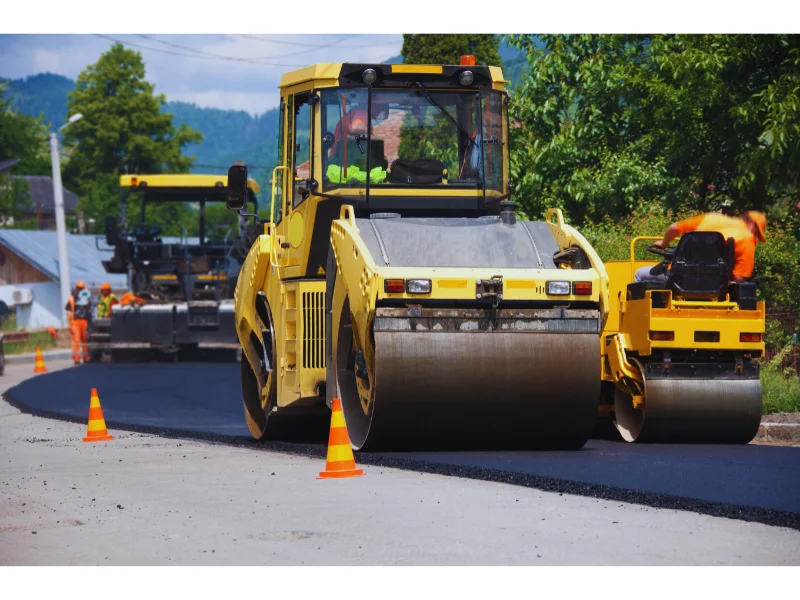
Once mixed, the hot asphalt is transported to the construction site, where machines lay it down in layers.
Rollers then compact the asphalt while still warm, creating a dense, uniform surface.
Why Is Asphalt Pavement So Popular?
Durability and Longevity
One of the most significant advantages of using asphalt for paving is its durability.
Properly installed and maintained asphalt can last for decades, even under heavy traffic and challenging weather conditions.
Cost-Effectiveness
Asphalt is relatively inexpensive to produce and lay down compared to other paving materials. Its ease of installation and repair also adds to its overall cost-effectiveness.
Flexibility
Asphalt pavement has a certain amount of flexibility, allowing it to withstand occasional overloads without serious damage.
This flexibility also helps prevent cracks during colder climates’ freezing and thawing cycles.
Smoothness
Asphalt provides a smoother surface than many alternative materials, which means a smoother ride, less vehicle wear and tear, and even potential savings in fuel costs.
Recyclability
An often-overlooked benefit of asphalt is its recyclability.
Old asphalt pavements can be milled and recycled into new pavements, making it a more sustainable choice than some alternatives.
Noise Reduction
Thanks to their smooth surface and ability to absorb sound energy, asphalt pavements can reduce the noise produced by tire-pavement interaction.
Tips for Winter Care for Asphalt Pavements
Regular Cleaning
It might seem counterintuitive to clean your asphalt pavement before a snowstorm, but it’s essential to winter care.
Leaves, dirt, and debris can trap moisture, and when that moisture freezes, it expands, which can cause the asphalt to crack.
Keeping your pavement clean minimizes the risk of water damage and ensures that any ice pre-treatment will be more effective.
Sealcoating
One of the best defenses against winter damage is seal coating.
This preventive maintenance task involves applying a protective layer to the surface of your asphalt that seals the small cracks that can let water in.
Sealcoating also provides a barrier against oils, salts, and chemicals.
Ideally, this should be done before the cold weather sets in because seal coating products require warmer temperatures to cure properly.
Filling Cracks
Before winter hits, inspect your asphalt for cracks and have them filled.
It’s a simple process that can save you from bigger headaches.
When water seeps into cracks, freezes, and thaws, it can cause the cracks to expand.
By filling them, you prevent water from getting under the asphalt, which reduces the risk of potholes and further damage.

Effective Snow Removal
Clearing snow from your asphalt is more important than you might realize.
The weight of snow can cause your pavement to sink or become uneven.
More importantly, removing snow helps prevent the melting-and-freezing cycle that can wreak havoc on asphalt. Be sure to use the right tools for snow removal.
Plastic shovels and snow blowers are less likely to scratch or gouge your asphalt than metal shovels.
Proper De-icing
Choosing the right de-icing product is vital for maintaining the integrity of your asphalt.
Rock salt is common and inexpensive but can be harsh on asphalt and the environment.
Instead, look for alternatives like calcium chloride or magnesium chloride, which are less damaging and work at lower temperatures.
Also, avoid over-apply de-icing products, as excessive amounts can lead to asphalt deterioration.
Addressing Drainage Issues
Drainage issues can become more pronounced during winter.
Puddles that don’t drain properly will freeze and cause the asphalt to crack.
Before cold weather sets in, check your pavement for drainage problems.
If water pools on the surface, consult a professional to discuss ways to improve drainage, like installing a new drain or adjusting the asphalt slope.
Avoiding Heavy Loads
Heavy vehicles and equipment can damage asphalt at the best times, but they’re even more problematic in winter.
Cold weather can make asphalt brittle, increasing the risk of cracking under heavy loads.
Limit heavy vehicles’ access to your pavement during the coldest months, or ensure they move slowly and turn gradually to minimize damage.
Quick Repairs
Despite your best efforts, damage may still occur.
The key is to address any issues as soon as possible.
Small cracks and holes can become big problems when water, ice, and snow are present.
A quick patch can prevent minor damage from becoming a massive (and expensive) repair job.
Professional Maintenance
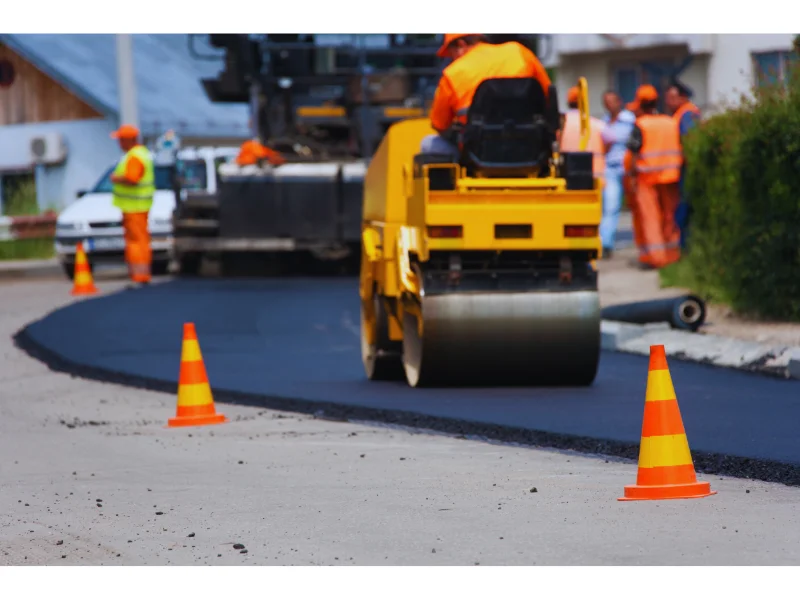
While there’s a lot you can do on your own, some aspects of asphalt maintenance are best left to the professionals.
A paving contractor can provide hot mix asphalt repairs, often necessary for more severe damage.
Professional assessments can also catch problems you overlook, such as subtle drainage issues or the beginning stages of surface wear.
The Takeaway
Asphalt is a resilient material, but it still requires some TLC to make it through the winter unscathed.
You can protect your pavement from snow, ice, and cold temperatures by taking proactive steps like cleaning, sealing, and timely repairs.
Always remember, regular maintenance keeps your asphalt in top condition and saves money by avoiding major repairs down the road.
When spring arrives, you’ll be glad you took the time to look after your pavement.
It will emerge from the cold season, ready to face another year of service.
As the winter season sets in, it’s time to pay special attention to your asphalt pavements to ensure they withstand the cold and emerge unscathed come spring.
At Eagle Rock Excavating, we’re committed to providing top-notch asphalt services designed to protect and preserve your pavement during harsh winter.
Don’t let frosty temperatures and icy conditions compromise the integrity of your surfaces.
Check out our comprehensive range of services tailored to your commercial and residential needs.
Contact us and secure the longevity of your investment.


